Last updated October 31, 2026
 House lockouts
 Re-keying
 Deadbolt upgrades
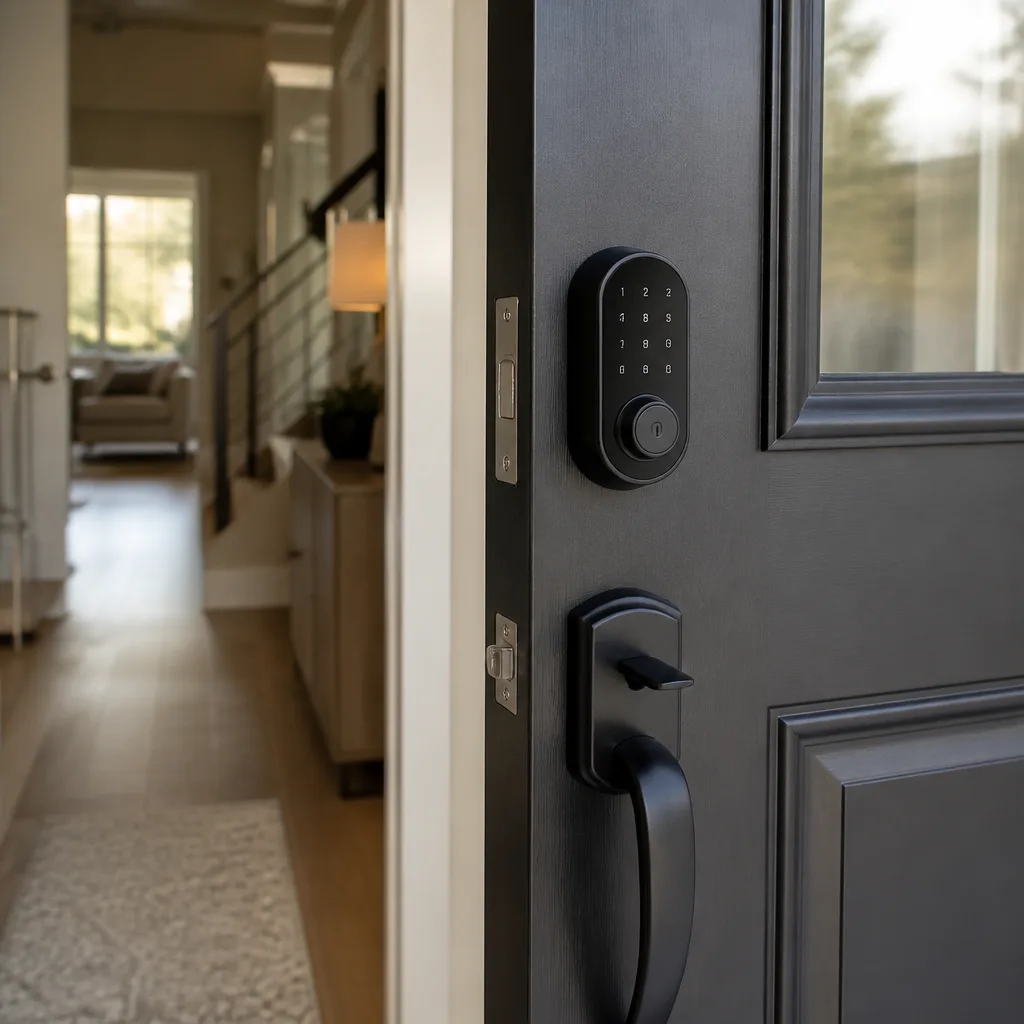 Smart locks
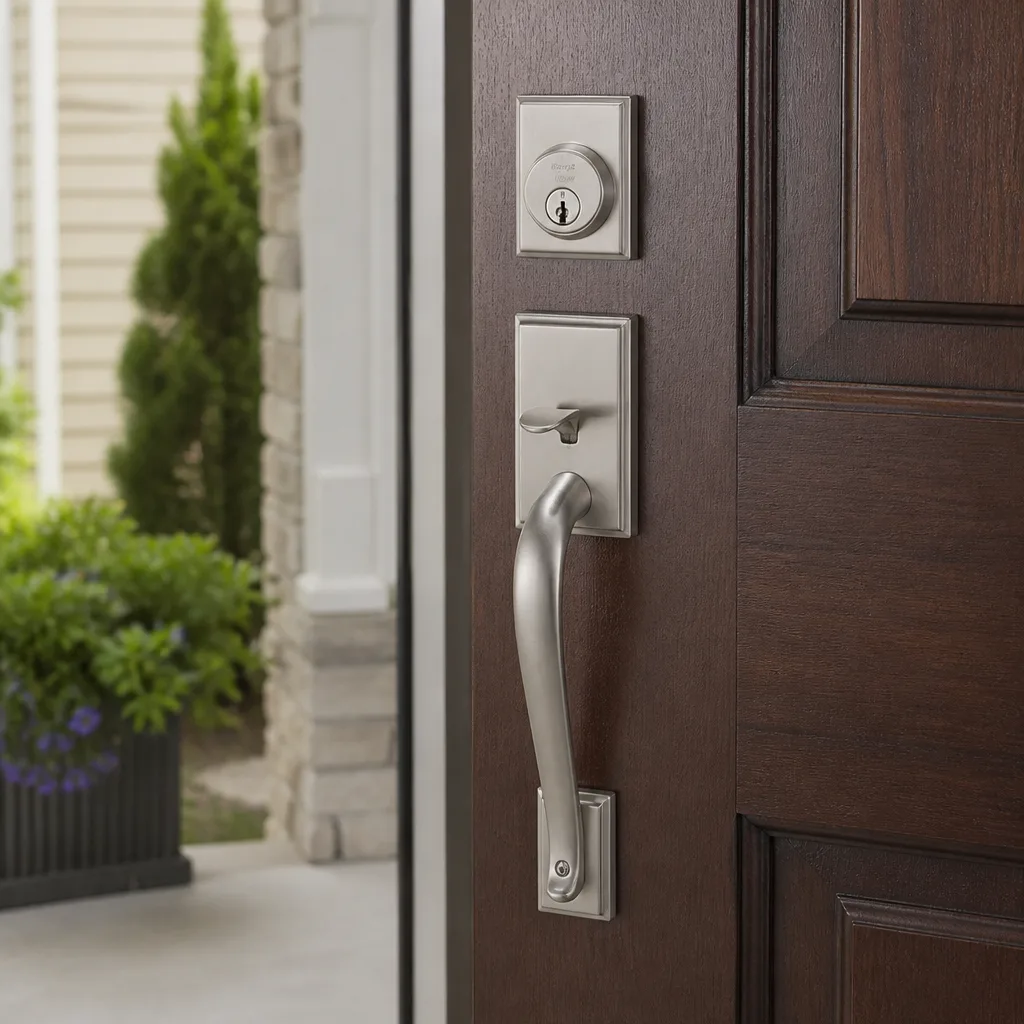 Schlage
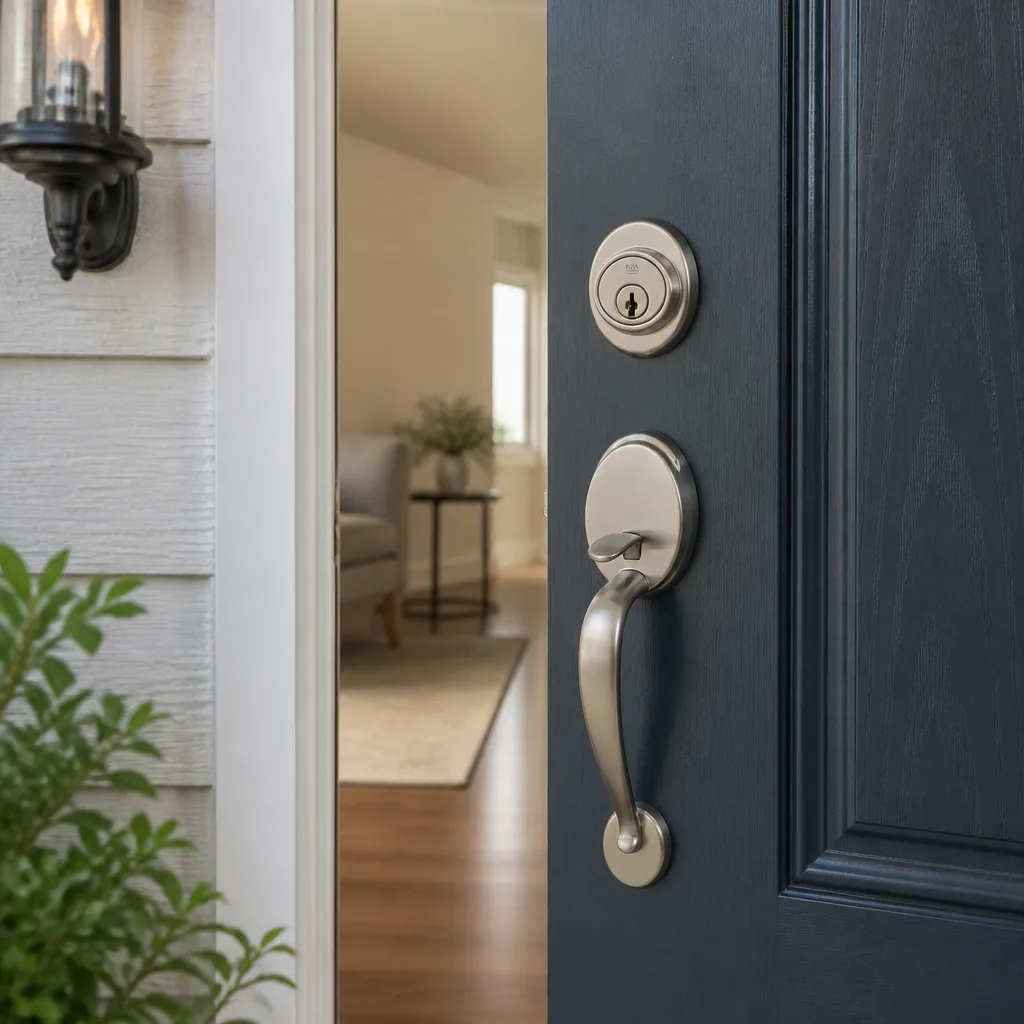 Kwikset
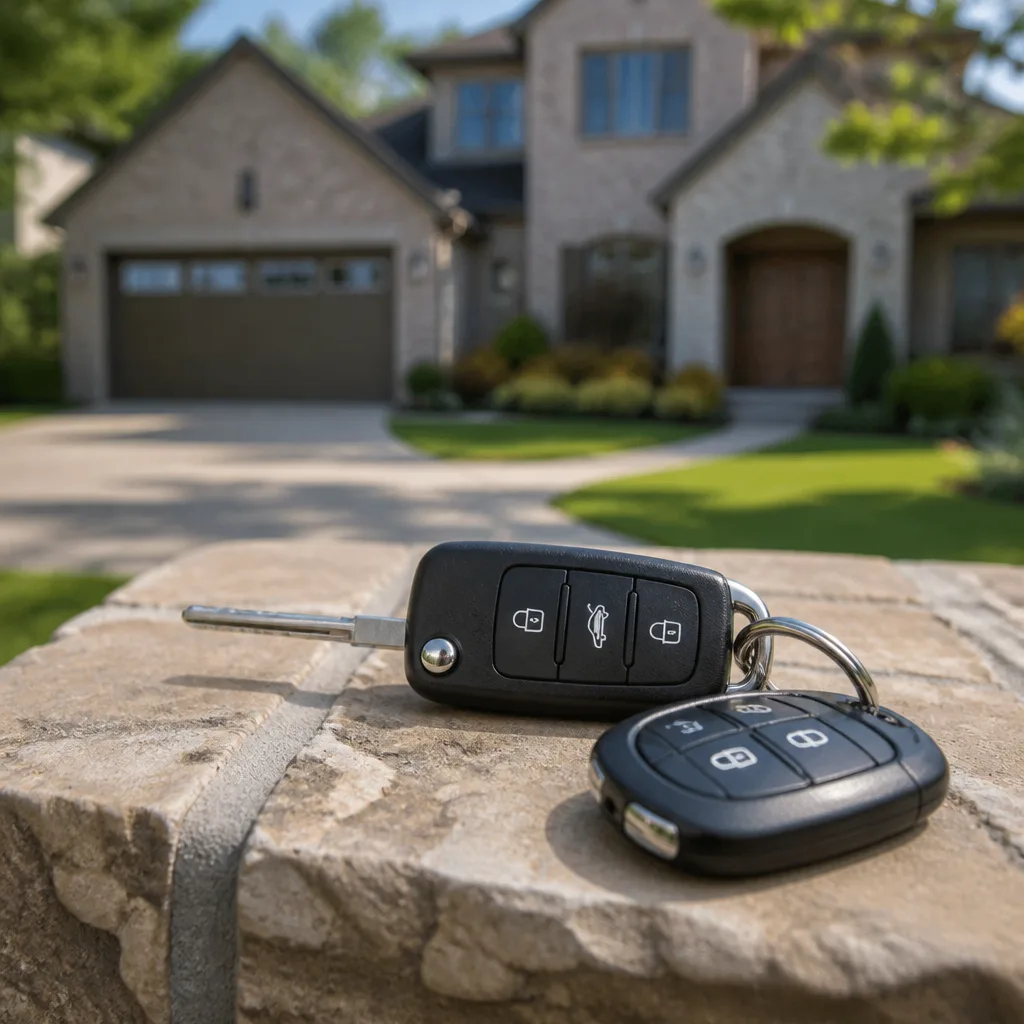 Car keys & fobs
Non-destructive entry first, always - and we re-key Schlage, Kwikset, and Baldwin locks on the spot while you watch
You get a price before we start. It does not change when we arrive. No surprises.
Get your free estimateCar Key Replacement Troubleshooting: Common Problems and How to Fix Them
A car key that won’t turn or a remote that won’t unlock the door rarely means the key itself is dead, despite what most drivers assume. In Grand Rapids, where winter road salt and freezing temperatures chew through key fobs and lock cylinders faster than drivers expect, we see the same pattern every week: someone orders a full replacement key when the real problem was a $4 battery, a dirty ignition cylinder, or a transponder chip that simply lost its pairing after sitting too close to a phone charger. This guide walks through how to diagnose whether your issue is mechanical, electronic, or battery-related before you spend money on a key you may not need, and explains exactly when Car Key Replacement services from a locksmith can fix the problem on-site versus when the vehicle needs a dealer-level scan tool.
Styles & brands we work with
Quick Answer
Car key replacement troubleshooting starts with identifying which system has failed: if the key turns but the engine won’t crank, you likely have a transponder or immobilizer issue, not a key issue; if the key won’t turn at all, you have a mechanical cylinder or blade problem; and if the remote buttons work but the key won’t start the car, the key has lost its programming. Replacing the key solves only some of these problems. For everything else, the right diagnosis prevents a costly key replacement that wouldn’t have fixed the real fault anyway. For a deeper look at when replacement is actually necessary, see our Complete Car Key Replacement Guide for Grand Rapids Homeowners.
Table of Contents
- Start Here: The 60-Second Decision Tree
- Battery Failure: The Fix Most Drivers Skip
- Key Turns but Car Won’t Start: Transponder and Immobilizer Problems
- Key Won’t Turn: Mechanical Cylinder and Blade Issues
- Remote Works but Car Won’t Start: Programming Loss
- The Spare Key Test: What It Tells You
- Grand Rapids Winter Damage: What Cold and Salt Do to Keys
- Locksmith vs. Dealer: Who Can Actually Fix What
- Common Mistakes to Avoid
- When to Call a Professional
- Frequently Asked Questions
- The Bottom Line
Start Here: The 60-Second Decision Tree
Before you order a replacement key, run through these three questions in order. Each answer points to a different repair path, and only one of them ends with buying a new key. We’ve used this exact sequence on thousands of Grand Rapids service calls, including plenty of car key replacement in Grand Rapids jobs that turned out to be something simpler than the customer expected.
- Does the key physically turn in the ignition or door lock? If yes, go to question 2. If no, you have a mechanical issue: worn key blade, damaged ignition cylinder, or a broken wafer inside the lock. Skip to the section on mechanical cylinder and blade issues.
- Does the engine crank when you turn the key? If it cranks but won’t start, the key’s mechanical function is fine and the problem is electronic: transponder chip failure, immobilizer desync, or an antenna ring issue. Go to the transponder and immobilizer section.
- Do the remote buttons lock and unlock the doors, but the key still won’t start the car? If yes, the key’s radio transmitter works but its immobilizer chip has lost programming or the vehicle’s immobilizer module has forgotten the key. Go to the programming loss section.
One more quick check before you continue: try the spare key. The result of that single test eliminates half the possible causes, and we cover exactly how to interpret it in the spare key test section below.
Battery Failure: The Fix Most Drivers Skip
A dead key fob battery is the single most misdiagnosed car key problem we encounter in the field, and it’s the first thing we check on any emergency locksmith call where a driver reports a “dead key.” A key fob with a low battery often behaves inconsistently: it works when you hold it close to the door handle, fails when you’re ten feet away, and occasionally sets off a “key not detected” warning on the dash even when the key is in your pocket. None of those symptoms mean the key needs replacing.
A standard CR2032 or CR2025 coin cell costs between $3 and $8 at any Grand Rapids hardware store or Meijer. Most fobs open with a small flathead screwdriver or a plastic pry tool, and the battery swaps in under two minutes. If you’ve never done it, look up your make and model year online for the exact battery size before you open the fob, because using the wrong cell can cause intermittent contact that mimics a programming fault.
Here’s the part most guides skip: a failing battery can desynchronize certain smart key systems. We’ve seen it on push-to-start vehicles where the key sits in a purse next to a phone or in a pocket with a wireless charger. The fob’s radio chip gets confused by interference while the battery voltage drops, and the vehicle’s immobilizer temporarily loses pairing with the key. A new battery fixes most of these cases. If it doesn’t, the key may genuinely need reprogramming, but you’ve ruled out the $5 fix first.
Key Turns but Car Won’t Start: Transponder and Immobilizer Problems
When your key turns in the ignition and the dashboard lights come on but the engine won’t catch, the problem is almost never the metal key blade. It’s the transponder chip embedded in the key’s plastic head, or the vehicle’s immobilizer system that reads it. This is the most expensive category of key problem, because if the chip has failed outright, you do need a new key, and that key needs to be programmed to your vehicle.
Here’s how the system works in plain terms: your key contains a small radio chip with a unique code. An antenna ring around your ignition cylinder sends out a signal when you turn the key. The chip responds with its code. The vehicle’s engine computer checks the code against its memory. If the code matches, the fuel system and ignition are enabled. If the code doesn’t match, or the chip doesn’t respond at all, the engine cranks but never fires.
Three common failures produce this exact symptom:
- Failed transponder chip: The chip in the key head can crack from being dropped, or its solder joints can fatigue from years of temperature cycling. A Grand Rapids winter alone, with its repeated freeze-thaw cycles inside a cold car, accelerates this. When the chip dies, the key is mechanically fine but electronically dead. You need a new key with a fresh chip.
- Immobilizer module desync: The vehicle’s immobilizer can lose the stored key codes after a dead battery, a jump start, or certain electrical work. When this happens, the car forgets every key it knew. The fix is a reprogramming session, not necessarily a new key.
- Antenna ring failure: The reader coil around the ignition cylinder can fail, which means the car can’t read any key, even a perfectly good one. This is a vehicle repair, not a key replacement, and it’s why you shouldn’t order a new key before someone actually tests the existing one.
On most American, Japanese, and Korean cars from the last twenty years, a qualified automotive locksmith can diagnose all three of these conditions on-site using a handheld programmer. The tool reads whether the vehicle is receiving a signal from the key chip at all, which immediately separates a chip failure from a module problem. If you drive a European car, particularly a late-model BMW, Audi, Mercedes, Volkswagen, or Volvo, the diagnostics often require the manufacturer’s proprietary scan software, which means a trip to the dealer or an independent shop with that specific tool. We’re straightforward about that line, because ordering a key from the wrong provider wastes your money.
Key Won’t Turn: Mechanical Cylinder and Blade Issues
If the key won’t turn in the ignition or the door lock, you have a mechanical problem, and it’s usually one of three things. On older Grand Rapids vehicles, especially anything with 100,000 miles or more, the key blade itself wears down until it no longer matches the wafers inside the lock cylinder. We see this constantly on mid-2000s GM trucks, older Fords, and Hondas that have spent their lives in Michigan, where drivers start and stop their cars in cold weather far more often than drivers in warmer climates, which doubles the wear on every mechanical part the key touches.
A worn blade is easy to spot. Hold the key up to a bright light. The cuts along the edge should have sharp, clean shoulders. If they look rounded, smoothed, or the key is visibly thinner than it once was, the blade has worn past its tolerance. The fix for a worn blade is a new key cut by code, not copied from the worn original. Copying a worn key just reproduces the wear. A good locksmith cuts the key from the vehicle’s factory key code, which restores the original dimensions and usually fixes the problem on the first try.
The second cause is a failed ignition lock cylinder. Inside the cylinder are small spring-loaded wafers that ride along the key’s cuts. Over years of use, those springs fatigue, the wafers stick, and the cylinder stops turning smoothly or locks up entirely. If your key is hard to insert, hard to turn, or requires wiggling to work, the cylinder is on its way out. Replacing the ignition cylinder is a mechanical repair that any competent automotive locksmith can perform, and it usually costs less than replacing the key plus the cylinder plus the programming.
The third cause, more common in winter, is a frozen lock cylinder. In Grand Rapids, moisture in the lock freezes and blocks the wafers. The telltale sign is a key that worked fine the day before but won’t turn on a sub-zero morning. Warming the key with a lighter or dipping it in warm water can free the cylinder in minutes. Never force the key, and never use WD-40 in a frozen lock: it displaces the moisture temporarily but leaves a residue that attracts dirt and makes the problem worse next winter. A graphite or silicone-based lock lubricant is the right product.
Remote Works but Car Won’t Start: Programming Loss
This is the problem that confuses drivers the most: the key fob locks and unlocks the doors perfectly, the remote start works, but the car won’t start with the key. The remote functions and the immobilizer chip are two separate systems that happen to live in the same piece of plastic, and they can fail independently. When the remote works but the engine won’t start, the key has lost its immobilizer programming while retaining its remote programming.
Programming loss happens for a handful of predictable reasons:
- Low battery desync issue: As covered above, a failing coin cell can cause the immobilizer to lose its stored pairing. This is the first thing to rule out, because it’s a $5 fix.
- Vehicle battery replacement or jump start: Some vehicles clear or corrupt the immobilizer’s key memory when the main battery is disconnected or jumped. The car starts fine afterward with one key but not another, or it forgets the key entirely.
- Electrical interference during park: Smart keys that spend the night near induction chargers, certain alarm system transmitters, or high-powered radio equipment can lose their pairing without any physical damage to the key. Moving the key away from the interference source and re-pairing it with the vehicle fixes it.
- Failed programming attempt: If someone previously tried to program a new key and the process was interrupted, the vehicle’s immobilizer can end up in a state where it no longer recognizes the original key. The fix is a clean reprogramming session with a proper diagnostic tool.
The repair path for programming loss is a reprogramming procedure, not a new key. The existing key is physically fine, its chip is functional, and the vehicle just needs to relearn it. On many cars, a locksmith can complete this on-site in under 30 minutes using a handheld programmer. On others, the immobilizer reset requires the manufacturer’s scan tool and a security token from the dealer network. The honest answer depends on the make, model, and year of your vehicle, and it’s a question worth asking before you pay for anything.
The Spare Key Test: What It Tells You
The spare key test is the single most useful diagnostic you can run before calling anyone, and it takes thirty seconds. If you have a second key for the vehicle, try it. The result tells you exactly which component has failed.
Here’s how to interpret the outcome:
- The spare key works perfectly. The vehicle’s ignition cylinder, immobilizer, antenna ring, and programming are all functioning. The problem is isolated to the original key. You need a replacement key, and since the vehicle starts and runs with a known-good key, most locksmiths can cut and program the new one on-site without a dealer visit.
- The spare key also fails, in the same way as the original. The problem is not the key. It’s the vehicle: the ignition cylinder, the immobilizer module, or the antenna ring. Replacing either key would waste your money. You need a diagnostic visit, not a key order.
- The spare key works mechanically but the remote doesn’t function, or vice versa. You have a partial key failure. If the spare starts the car but its buttons do nothing, the spare’s remote battery is dead or its remote circuit has failed while its chip works fine. If the spare’s remote works but the car won’t start, the spare has the same programming loss we covered above.
- You don’t have a spare key. This is the most common situation, and it’s also the most expensive one in the long run. Vehicles with only one key are one lost key away from a full lockout, and some immobilizer systems cannot be reprogrammed without at least one known-good key present. If you have only one key, call a locksmith and get a spare made now, before the original fails. The cost of a spare key today is a fraction of the cost of an emergency all-keys-lost service later, especially in Grand Rapids, where winter lockouts happen daily.
At Reliance Lock & Key, we frequently tell Grand Rapids drivers the same thing: the spare key test separates a $100 fix from a $400 fix, and knowing which one you’re dealing with before you call keeps the process honest. For drivers who want to understand the broader lock rekeying perspective on vehicle locks versus home locks, the logic is similar: diagnose before you replace.
Grand Rapids Winter Damage: What Cold and Salt Do to Keys
Grand Rapids winters are hard on car keys in ways that drivers in warmer climates never experience, and it’s worth understanding the local failure patterns before you assume your key is simply “bad.” The combination of sub-freezing temperatures, road salt, and repeated temperature swings creates three specific problems we see every season.
First, freeze-thaw cycling inside the vehicle stresses every solder joint in the key fob. The interior of a parked car swings from minus ten degrees at night to seventy degrees when the heater runs, and that thermal expansion and contraction work the solder connections on the transponder chip until they crack. A key that works fine all summer and dies in February is often the victim of metal fatigue, not a dead battery.
Second, road salt gets everywhere, including into the lock cylinder when you insert a key that has salt residue on it from your gloves or pocket. The salt crystallizes inside the cylinder, and those crystals bind the wafers. The result is a cylinder that turns hard in winter and often breaks entirely when the driver forces it. Michigan’s combination of salt use and freeze-thaw cycling puts more stress on ignition cylinders than almost any other climate in the country.
Third, cold temperatures reduce battery voltage. A key fob battery that reads 3.2 volts at room temperature can drop below the 2.8-volt threshold that the fob’s transmitter needs in cold weather. The key works fine in your warm kitchen and fails when you stand next to the car in a parking lot on Alpine Avenue in January. If your key fails only in cold weather and only outdoors, the battery is marginal, not dead, and replacing it before the deep freeze saves you a winter lockout.
Locksmith vs. Dealer: Who Can Actually Fix What
One of the most common questions we get from Grand Rapids drivers is whether they should go to the dealership or call a locksmith for a key problem. For help evaluating providers, read our Choosing the Right Locksmith Brand: A Buyer’s Guide for Grand Rapids. The answer depends on the vehicle and the specific failure, and being honest about this line is part of the job. Here’s the practical breakdown.
What a qualified automotive locksmith can do on-site
- Cut a new key by code for most American, Asian, and European vehicles
- Program transponder keys, remote head keys, and smart keys on most makes and models
- Replace ignition lock cylinders and rekey the new cylinder to match your existing key
- Perform all-keys-lost service, including cutting a key from the vehicle’s key code and programming it
- Diagnose whether the key, the chip, the cylinder, or the vehicle’s immobilizer is at fault
- Extract broken key blades from ignition cylinders
What typically requires a dealer visit
- Immobilizer resets on late-model Volkswagen, Audi, BMW, Mercedes, and Volvo vehicles that require the manufacturer’s proprietary diagnostic software and a security token
- Certain push-to-start vehicles where the key programming requires an online connection to the manufacturer’s server
- Vehicles still under warranty where using a third-party programming tool could void the coverage
- Keys that require a specific encrypted programming sequence available only through the dealer network
The practical advice is this: before you drive to a dealership and pay their parts counter markup, call a locksmith and describe the exact symptom. If the job is within our scope, you’ll save money and usually get it done faster. If it’s not, we’ll tell you plainly and send you to the right place. The right answer matters more than making a sale, and that’s why we’ve built our automotive service around honest diagnostics first. As a Reliance Lock & Key home page customer, you get the same standard whether you’re asking about a Kwikset deadbolt or a push-to-start key fob: we tell you what’s actually wrong and what it actually costs to fix.
Common Mistakes to Avoid
- Ordering a key online before diagnosing the problem. Online key sellers ship a blank or unprogrammed key and assume you’ll find someone to cut and program it. If the original problem was a bad immobilizer module, the new key does nothing, and you’ve spent money on a part that didn’t fix it. Diagnose first, buy second.
- Copying a worn key instead of cutting by code. A worn blade produces a worn copy. If your key is visibly thin or rounded, a duplicate cut from the original just gives you two keys that don’t work well. Insist on a key cut from the vehicle’s factory code, which restores the original dimensions.
- Forcing a key that won’t turn. When a key binds in the ignition, forcing it breaks the blade off in the cylinder or damages the wafers. A broken blade inside the cylinder turns a $15 key cut into a $200 extraction and cylinder repair. If the key won’t turn, stop and get help before it gets worse.
- Using WD-40 or penetrating oil in a lock cylinder. WD-40 is a solvent, not a lock lubricant. It flushes out the factory grease, leaves a sticky film that attracts dirt, and causes the cylinder to gum up worse over time. Use a graphite or silicone lock lubricant, and use it sparingly.
- Replacing the key when the vehicle battery is marginal. A weak main battery causes random electronic symptoms that drivers blame on the key: intermittent starting, “key not detected” warnings, and remote functions that work only sometimes. If your key problems started around the same time your car needed a jump, test the vehicle battery before ordering a new key.
- Ignoring a spare key until you lose the only key. Thousands of Grand Rapids drivers carry a single key. When it fails or is lost, the all-keys-lost service costs two to three times more than a spare made in advance, and it can take a day or more on some vehicles. If you have one key, get a second one made this week.
- Assuming a “bad key” when the real problem is a bad ignition cylinder. If two different keys fail the same way in the same ignition, the cylinder is the problem, not the keys. Replacing the keys doesn’t fix a worn cylinder, and replacing the cylinder without addressing the keys means the new cylinder won’t match. The two issues need to be solved together.
When to Call a Professional
Some key problems are worth solving yourself, and some are not. Replace a battery, try the spare key, and lubricate a sticky cylinder on your own. Call a professional when the spare key test points to a vehicle-side problem, when a key breaks off in the ignition, when you’ve lost the only key and can’t start the car, or when you’ve tried a new battery and the key still won’t work. Forcing a stuck key, drilling a lock, or attempting to program a transponder key without the right tool turns a small problem into an expensive one. Reliance Lock & Key offers free estimates in Grand Rapids, and we’ll tell you honestly whether your key problem is a $5 battery, a $150 repair, or a genuine replacement before you spend a dime. Call (855) 341-7491.
Frequently Asked Questions
Car key replacement in Grand Rapids typically ranges from $150 to $400 depending on the vehicle’s make, model, and year, with older transponder keys at the lower end and smart keys or push-to-start fobs at the higher end. The exact price depends on whether the key needs programming, whether the vehicle requires a proprietary tool, and whether you have an existing working key or need all-keys-lost service. Call (855) 341-7491 for an exact quote, and we’ll tell you the full price before anyone is dispatched.
Yes. The price we quote over the phone is the price on the invoice, with no call-out surcharge added on arrival and no upsell at the door. We quote the full price for your make and model before we send anyone out, and we walk you through the diagnosis so you know what you’re paying for.
Yes, for most vehicles we can cut and program a replacement key the same day in Grand Rapids, and the mobile service comes to your location. A few European vehicles require a dealer-level tool, which may mean a second visit or a referral, but we’ll tell you upfront if your car is one of those.
If your key turns the door lock but not the ignition, the most likely causes are a worn key blade that the door cylinder tolerates but the ignition cylinder does not, or a failing ignition cylinder. Door cylinders see far less use than ignition cylinders and often accept a worn key that the ignition rejects. The fix is either a new key cut by code or an ignition cylinder replacement, and a diagnostic visit will determine which one you need.
No. For most American, Japanese, and Korean vehicles, and many European models, a qualified automotive locksmith can program a new transponder key on-site for less than the dealership charges. The exceptions are certain late-model European vehicles that require proprietary dealer software and a security token. We’ll tell you before doing any work whether your car is a locksmith-serviceable vehicle or a dealer-only job.
We service the full range of automotive key systems, from basic metal keys through transponder keys to push-to-start smart keys, and we carry the programming tools for most major makes and models. The same technical standard applies across everything we do, whether it’s a Kwikset deadbolt, a Schlage commercial cylinder, or a car key. If your vehicle is outside our capability, we’ll say so plainly and point you to the right provider rather than experimenting on your car.
The Bottom Line
Most car key problems are misdiagnosed before anyone even looks at the vehicle. A battery that costs five dollars gets mistaken for a dead key that costs three hundred. A worn ignition cylinder gets replaced with a new key that doesn’t fix it. A programming glitch gets treated as a hardware failure when the hardware is fine. The right sequence is always the same: try the spare key, replace the fob battery, lubricate the cylinder if it’s stiff, and only then consider a replacement key. You can find more guides & resources on our blog to help with each step. If the diagnosis points to a key, a mobile locksmith can usually cut and program it the same day in Grand Rapids. If it points to the vehicle, you’ve saved yourself the cost of a key that wouldn’t have solved anything. The fastest fix is usually the cheapest fix, but only when the problem is actually what you think it is.
Written by the team at Reliance Lock & Key, serving Grand Rapids since 2016.