Last updated October 31, 2026
 House lockouts
 Re-keying
 Deadbolt upgrades
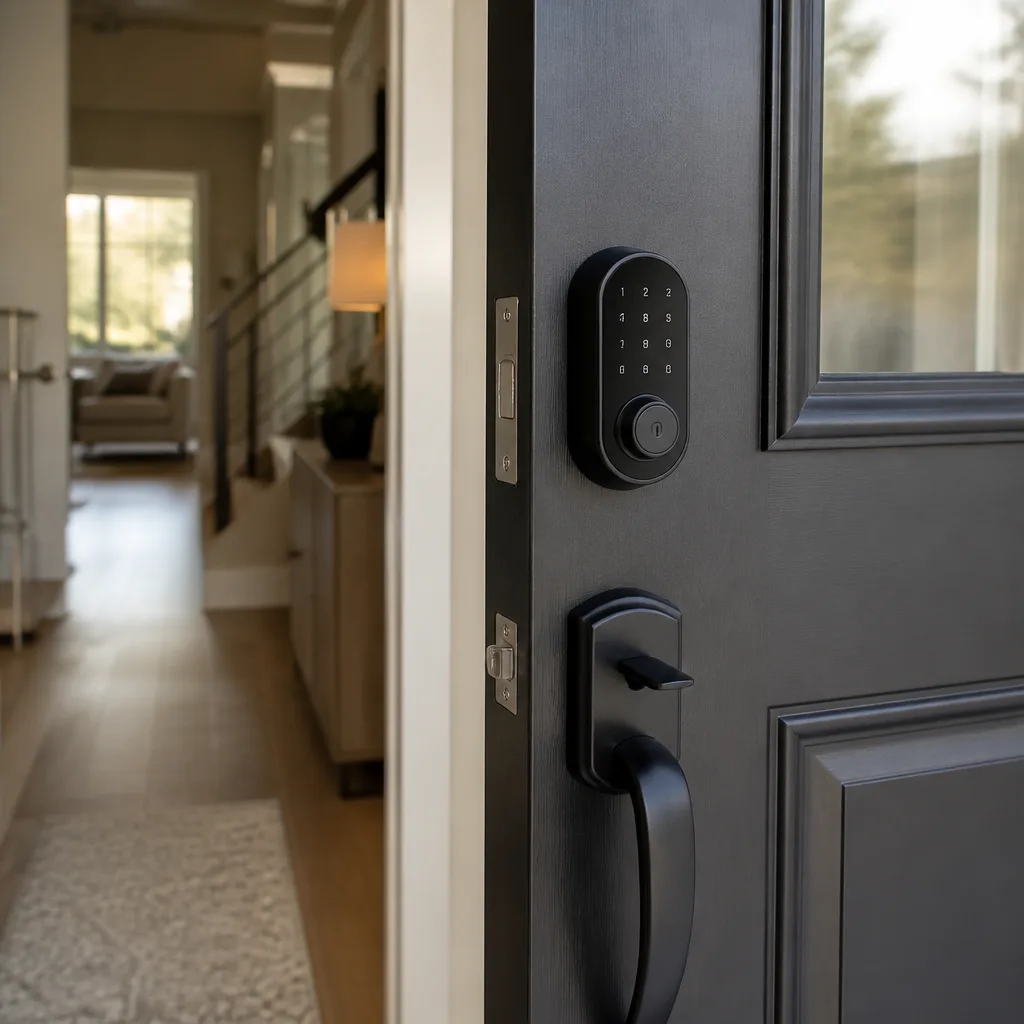 Smart locks
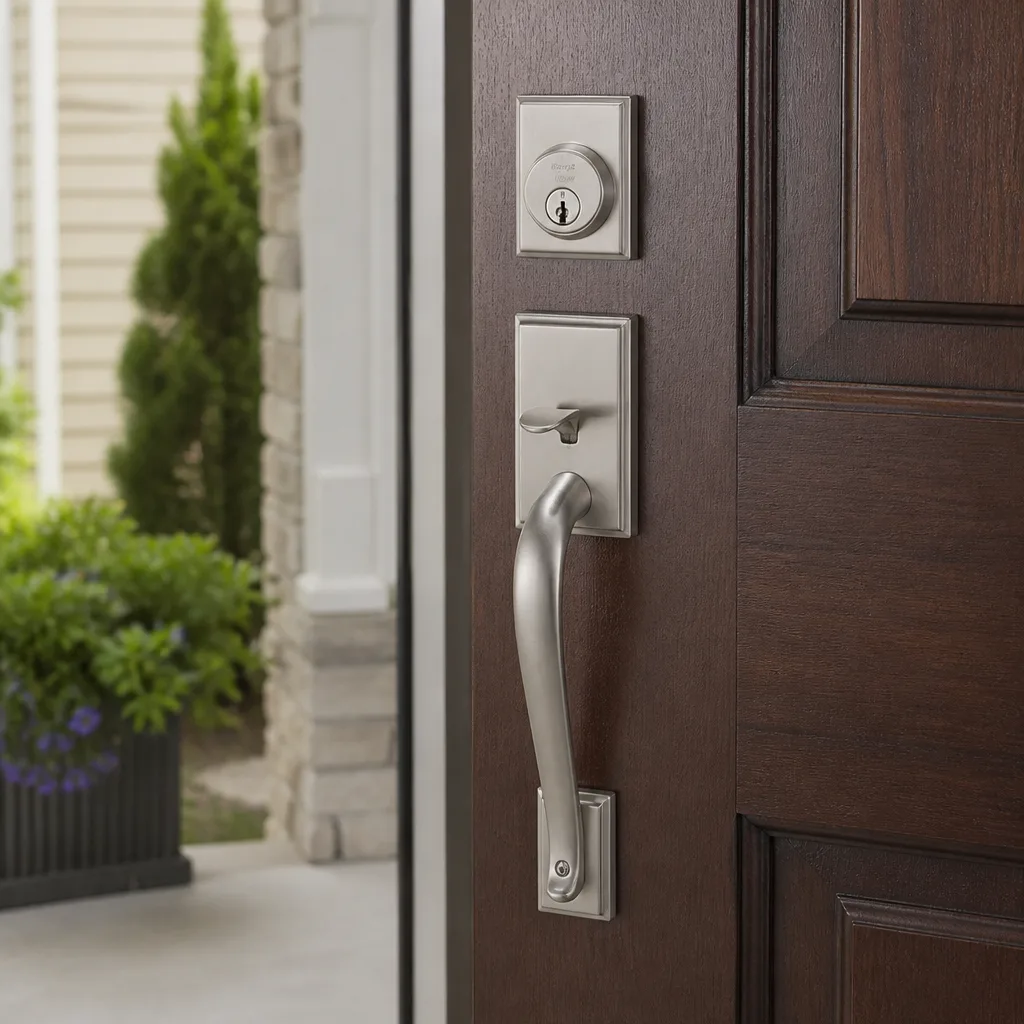 Schlage
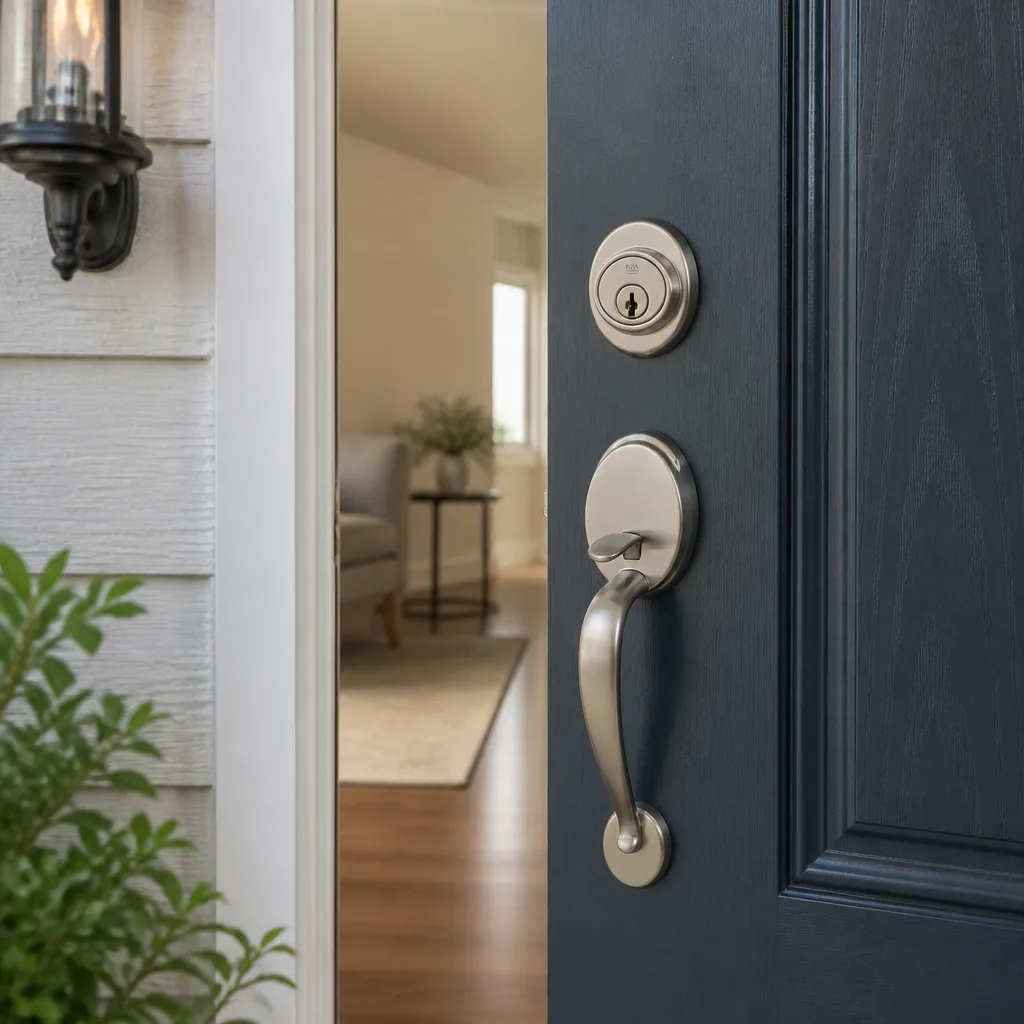 Kwikset
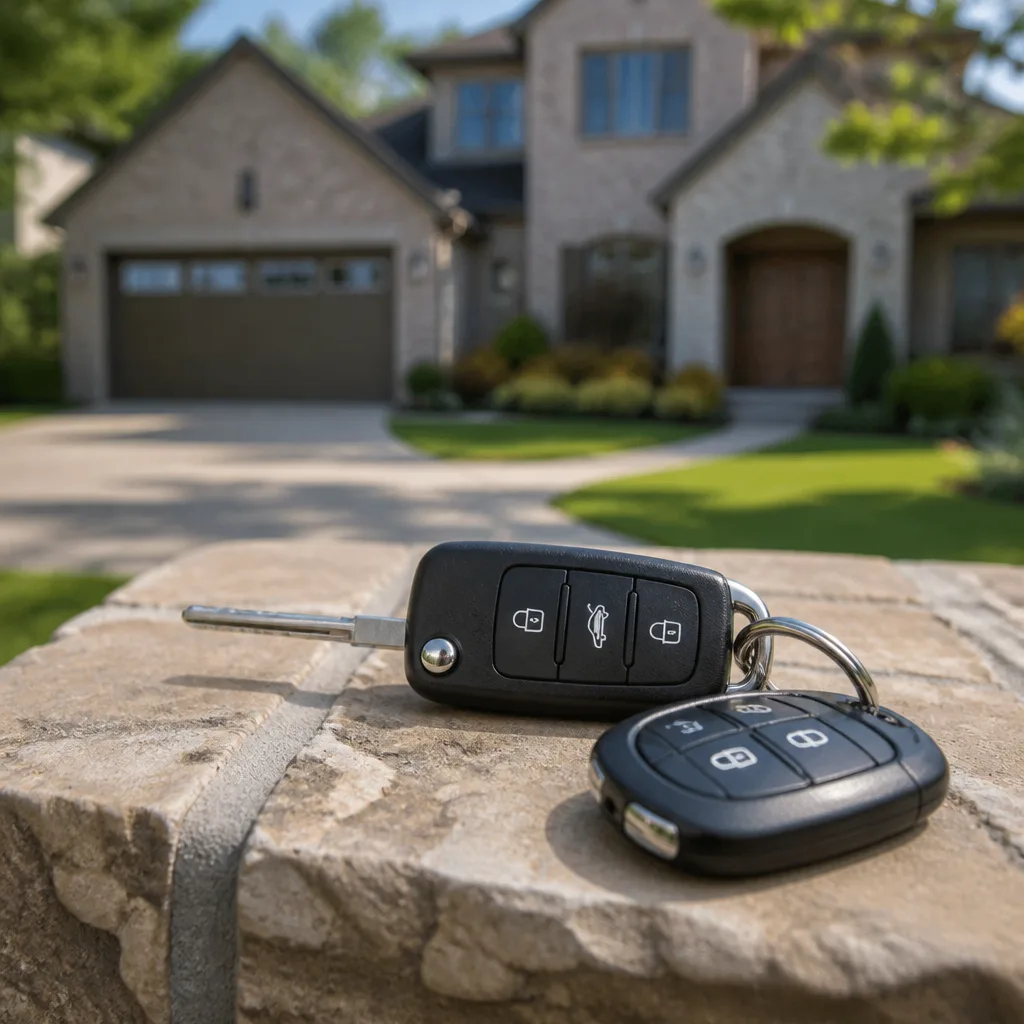 Car keys & fobs
Non-destructive entry first, always - and we re-key Schlage, Kwikset, and Baldwin locks on the spot while you watch
You get a price before we start. It does not change when we arrive. No surprises.
Get your free estimateCar Key Replacement Maintenance Checklist for Grand Rapids Homeowners
A replacement transponder key for a late-model vehicle in Grand Rapids can cost $250 to $400 at a locksmith and over $500 at a dealership. That cost drops to near zero with one proactive step most owners skip: cutting a spare before the original disappears. This guide walks through the maintenance habits that prevent the most expensive key replacement scenarios, why Michigan winters specifically accelerate key fob failure, and what Grand Rapids drivers should do each October before the freeze cycles begin. We’ll cover the difference between a code-cut key and a hardware store copy, how to document your key codes before you lose the only key, and what “lost last key” actually costs versus “lost one of two.”
Quick Answer
Car key replacement in Grand Rapids is cheap when you have a spare, and expensive when you don’t. The maintenance checklist is simple: cut a spare transponder key now while you still have two working keys, replace key fob batteries every 18 to 24 months, test both keys monthly, document your vehicle’s key code and VIN in a safe place, and address intermittent fob failures before winter arrives. A proactive driver spends $60 to $120 on a spare. A reactive driver spends $250 to $500 when the last key is lost.
Styles & brands we work with
Table of Contents
- Understand What Kind of Key Your Vehicle Actually Uses
- Why Michigan Winters Accelerate Key Fob Failure
- The October Pre-Winter Checklist for Grand Rapids Drivers
- The Spare Key Strategy: One Spare Prevents a $400 Emergency
- Documenting Your Vehicle’s Key Codes Before You Lose the Only Key
- Why a Code-Cut Key Beats a Hardware Store Copy
- What “Lost Last Key” Costs Versus “Lost One of Two” in Grand Rapids
- Common Mistakes to Avoid
- When to Call a Professional
Understand What Kind of Key Your Vehicle Actually Uses
Most Grand Rapids drivers don’t know whether their key is a basic metal blade, a transponder key, a smart key fob with push-button start, or a keyless entry remote combined with a mechanical key. That knowledge gap is expensive. A plain metal key for a 2005 Chevy Impala costs around $8 to $15 to duplicate. A transponder key for a 2016 Ford Escape runs $120 to $180 at a locksmith. A smart key for a 2021 Honda CR-V with push-button start ranges from $250 to $400. Knowing which category you’re in determines every maintenance decision downstream.
Here’s how to identify what you have:
- Plain metal key: No buttons, no plastic head, no chip. Works in older vehicles (roughly pre-2000 for most makes). Easiest and cheapest to duplicate. A locksmith with a code-cutting machine can produce an exact duplicate from the key code or by tracing the original.
- Transponder key: Plastic head with a chip inside. The chip sends a signal to the vehicle’s immobilizer. If the chip isn’t programmed, the key won’t start the engine even if it turns the lock. This is the most common key type on Grand Rapids roads for vehicles built between 2000 and 2015.
- Smart key / proximity fob: Push-button start, no metal blade visible (or a hidden emergency blade). The fob communicates with the vehicle continuously. These keys cost the most to replace and require specialized programming equipment.
- Fob plus separate key: A keyless entry remote on one ring and a mechanical transponder key on the other. The fob locks and unlocks doors; the key starts the ignition. Replacing the fob alone is cheaper than replacing a combined unit.
If you’ve got a high-security vehicle key, the level of precision matters. Brands like Medeco, Abloy, and Mul-T-Lock dominate the high-security lock world for homes and businesses, and that same philosophy of restricted keyways and tight tolerances applies to modern automotive locks. A key cut slightly off-spec on a worn duplicating machine will wear the ignition cylinder over time. On a newer vehicle, that wear becomes a $300 to $600 ignition replacement. Getting the cut right the first time is cheaper than fixing the lock later.
The car key replacement service in Grand Rapids we provide starts with identifying the exact key type and the programming path before anyone starts cutting metal or cloning a chip. That diagnostic step saves drivers from paying for a key that turns the lock but won’t start the engine.
Why Michigan Winters Accelerate Key Fob Failure
Cold weather does two specific things to key fobs. First, lithium coin cell batteries (typically CR2032 or CR2025) lose voltage as temperatures drop. A battery with 20 percent capacity left in August can read as dead in a February parking lot in Grand Rapids. Second, the plastic housing of a key fob contracts in cold weather. Hairline cracks that were invisible in summer open up enough to let moisture in, and once moisture reaches the circuit board, corrosion follows. We see fob failures spike every January in Grand Rapids, usually in parking lots and driveways when the temperature is below 20 degrees.
The failure pattern is predictable. The fob works intermittently first: a button needs two presses, or the vehicle only detects the fob when it’s held against the start button. Drivers ignore this because the fob still works most of the time. Then the first hard freeze hits, and the fob goes dead entirely. By the time most people call a locksmith in Grand Rapids, the battery has been failing for weeks.
What actually dies varies:
- Fob battery: Replaceable for $5 to $12 if you do it yourself, or $20 to $40 at a locksmith. Takes five minutes.
- Fob buttons or contacts: Wear out over time, especially the unlock button. A new fob shell costs $25 to $60; transferring the internals takes minutes.
- Circuit board: If moisture or physical damage corrupts the board, the whole fob needs replacement and programming. This is the $150 to $400 scenario.
- Vehicle-side receiver: Rare, but happens. If two different programmed fobs stop working simultaneously, the problem may be in the vehicle. A locksmith can test this before you spend money on a new fob.
The maintenance lesson for Grand Rapids drivers is blunt: test your fob range and responsiveness every month, and replace the battery every 18 to 24 months whether it seems dead or not. A $10 battery replacement every two years costs far less than a $300 emergency smart key replacement on a cold morning.
Our emergency locksmith service in Grand Rapids responds to these exact failures throughout the winter. Most of them could have been prevented with a battery swap in October.
The October Pre-Winter Checklist for Grand Rapids Drivers
Every October, before the first hard freeze, Grand Rapids drivers should spend twenty minutes on key maintenance. This checklist catches problems while they’re still cheap to fix, not after a tow or a dead fob at 6 a.m. in a cold driveway.
- Test every key and fob you own. Walk to your vehicle with each key. Test the lock, unlock, panic, and remote start buttons (if equipped). Test the physical key in the driver’s door and ignition or push-button start. If any button requires two presses or the vehicle doesn’t detect a fob immediately, address it now.
- Replace fob batteries proactively. Every 18 to 24 months, or every October if you can’t remember the last replacement. Use the battery type printed inside the fob. A fresh CR2032 costs less than a coffee in Grand Rapids.
- Inspect the key and fob housing. Look for hairline cracks, loose buttons, or a blade that feels loose in the plastic head. Super glue is not a maintenance strategy. A new shell costs $25 to $60 and prevents water intrusion.
- Confirm your spare actually works. A spare key that’s been sitting in a drawer for three years is not a spare if its battery is dead or its transponder chip has failed. Test it. Start the engine with it. Don’t wait until the primary key is lost to discover the spare is dead.
- Document your key code and VIN. If you haven’t already, find your vehicle’s key code (we cover where below) and store it with your VIN in a secure note. This single step drops a “lost all keys” replacement from a multi-hour job to a same-day job.
- Address intermittent issues now. If your key feels sticky in the ignition, if the fob works only at close range, if the lock button is flaky, fix it in October. These issues don’t improve in January. They strand you in January.
This checklist costs under $50 in total for most vehicles. The alternative, a dead fob or lost key during a Grand Rapids winter, reliably produces $250 to $500 in replacement costs and a tow bill. In our experience, the drivers who follow this list are the ones we only see for scheduled key cutting, not emergency calls.
For drivers who want a second set of eyes, Reliance Lock & Key can inspect keys and fobs during a scheduled visit. But the October checklist above is designed to be done by any driver without tools or specialized knowledge.
The Spare Key Strategy: One Spare Prevents a $400 Emergency
The single highest-leverage maintenance action in this entire guide is cutting and programming a spare key while you still have two working keys. Here’s why that matters. Most modern vehicles require two working keys to program a new key yourself through an onboard procedure. If you have two working keys, a locksmith can cut and clone a spare transponder key for $60 to $120 depending on the vehicle. If you have only one working key, the price rises to $120 to $200 because the locksmith must use diagnostic equipment to program the new key rather than a simple clone. If you have zero working keys, the locksmith must cut a new key from the key code, then program it to the immobilizer from scratch. That’s $250 to $400 for most vehicles, and over $500 at a dealership.
The math is simple.
- Two working keys → lose one: You still have a working key. Replacement cost: $60 to $120 for a duplicated spare. No emergency.
- One working key → lose it: No spare exists. Replacement cost: $250 to $400, plus towing if the vehicle is stuck somewhere. Emergency.
Cutting a spare when you already have two keys is the cheapest insurance policy available to a Grand Rapids driver. The spare doesn’t need to be fancy. A basic transponder key with a plastic head that starts the engine is enough. Keep it at home in a designated spot, not on the same ring as your primary key. Keeping both keys on the same ring defeats the purpose: losing that ring means losing both keys.
A related strategy for drivers who already have only one key: don’t wait. Get a second key cut and programmed now, before the one remaining key is lost. Every month you drive with a single key is a month you’re one mistake away from a $400 bill. This is the most common conversation we have with Grand Rapids drivers who call in a panic after losing their only key, and the most avoidable.
For drivers who’ve already lost a key and need a replacement, the car key replacement process in Grand Rapids is designed to get you back on the road same-day in most cases. But the maintenance version of that page is this: don’t let it get to that point.
Documenting Your Vehicle’s Key Codes Before You Lose the Only Key
When a locksmith cuts a key from code, they use a database or a vehicle-specific code retrieval process to determine the exact cut depths for every position on the key blade. That code, along with your VIN, is the difference between a lost-key replacement taking 20 minutes and taking two hours. Documenting it before you lose keys costs nothing. Reconstructing it after a loss costs time and labor.
Here’s where your key code actually lives and how to find it:
- Owner’s manual or paperwork: Some manufacturers print the key code on a small metal tag or sticker included with the original keys. Check the glovebox, manual pouch, or the paperwork folder that came with the vehicle. If you bought the vehicle used and the original tag is missing, move to the next sources.
- Dealer records: The selling dealership can often provide the key code from the VIN, though some charge a fee or require proof of ownership. This is also the slowest path, especially if the selling dealer is out of state.
- On the lock cylinder: Some vehicles, particularly older models, stamp the key code on the passenger door lock cylinder or the ignition lock cylinder. Accessing this requires removing interior panels on many vehicles, which is not a casual task.
- A locksmith’s code database: A professional locksmith with the right equipment can often retrieve the key code from the VIN for many makes and models. This is how most lost-all-keys jobs get done. If a locksmith has already cut a key for your vehicle, they may have the code on file.
Once you have the key code, store it somewhere you can access without the key. A password manager note, a secure file at home, or a trusted family member’s records all work. Never store it in the vehicle itself. The key code plus your VIN gives anyone with the right equipment the ability to cut a key to your vehicle, so treat it like a password, not like a convenience note.
The practical benefit in a Grand Rapids emergency: when you call a locksmith after losing your last key, providing the key code and VIN up front lets the locksmith arrive with the key already cut. That’s the difference between a 30-minute roadside job and a two-hour appointment with diagnostic programming time billed on top.
For drivers who’ve lost every key and never documented the code, the job is still doable. A locksmith with the right equipment can derive the code from the VIN or decode the lock cylinder directly. It just costs more. Documenting the code in advance is the maintenance version of that service call.
Why a Code-Cut Key Beats a Hardware Store Copy
Hardware stores and big-box retailers duplicate keys by tracing the original key on a mechanical duplicator. That works fine for house keys and basic metal car keys. It does not work reliably for modern automotive keys with tight tolerances, and it fails outright on transponder and high-security blades. A code-cut key, produced by a locksmith with a code-cutting machine, cuts each position to the exact factory specification based on the key code, not a trace of a worn original.
Here’s why this distinction matters in practice:
- Worn original, worn copy: A mechanical duplicator copies the wear. If your original key has 100,000 miles of ignition cycles on it, the copy inherits every imperfection. The copy may work, but it accelerates wear on the ignition cylinder.
- Tight tolerance locks: Modern vehicle locks have much tighter tolerances than a Kwikset deadbolt. A key cut even a few thousandths of an inch off-spec on one position may insert but bind or fail to turn smoothly. A code-cut key eliminates this variable.
- Transponder keys: A hardware store can sometimes duplicate the metal blade of a transponder key, but they generally cannot clone or program the chip. You get a key that turns the lock and does nothing else. That’s a key you paid for that has no function.
- High-security keyways: Some vehicles use side-milled or laser-cut keys (Honda, VW, Audi, newer Ford, Lexus). These blades cannot be duplicated on a standard tracing machine at all. They require a code-cutting machine or a specialized duplicator. Most hardware stores can’t touch them.
The same precision principle applies to high-security lock hardware in homes and commercial buildings. Brands like Medeco, Abloy, and Mul-T-Lock built their reputations on restricted, tightly-milled keyways that can’t be copied on a tracing machine. A locksmith who works with that level of precision brings the same standard to automotive key cutting. A hardware store employee running a duplicator does not.
The cost difference is modest for basic keys: a hardware store duplicate might cost $5, while a locksmith-cut code key costs $8 to $15. For transponder keys and high-security blades, the difference is existential: the hardware store can’t produce a working key at all. Spend the extra few dollars. Get the key cut right.
When we cut car keys in Grand Rapids, we use code-cutting equipment for any key that will live in a modern ignition. The goal is a key that works perfectly on day one and stays working for years, not a key that sort of works and wears the lock out faster.
What “Lost Last Key” Costs Versus “Lost One of Two” in Grand Rapids
The price difference between maintenance and emergency is the entire argument for this guide. Here are real cost ranges for common vehicles on Grand Rapids roads, comparing a planned spare duplication (two working keys in hand) against a lost-all-keys replacement call.
| Scenario | Planned Spare (2 working keys) | Lost Last Key (0 working keys) |
|---|---|---|
| Ford F-150 (2015-2020, transponder key) | $60 – $90 | $180 – $280 |
| Chevy Equinox (2017-2022, transponder key + fob) | $90 – $150 | $250 – $350 |
| Honda CR-V (2015-2020, smart key) | $120 – $180 | $280 – $400 |
| Toyota Camry (2018-2023, smart key) | $130 – $200 | $300 – $450 |
| Jeep Grand Cherokee (2016-2022, proximity fob) | $150 – $220 | $350 – $500 |
These ranges reflect what we see across Grand Rapids and the surrounding market. Dealership pricing runs higher on every row. The key takeaway isn’t the exact dollar figure. It’s the structural gap. A planned spare costs roughly a third of a lost-last-key emergency, and it avoids the towing, the scheduling scramble, and the stress of being stranded.
The other variable people forget is time. A spare duplication with two working keys takes 30 to 60 minutes at a locksmith. A lost-all-keys job can take two to three hours, especially if the key code has to be derived from the VIN or decoded from the lock. That time is billable labor. The maintenance path costs less money and less time.
If you have one working key right now, you are already in the middle tier, and the clock is running. Getting a spare now runs $90 to $180 for most vehicles. Losing that last key jumps the bill to $250 to $400 plus towing. This is the most common avoidable expense we see in Grand Rapids.
Common Mistakes to Avoid
Every one of these mistakes shows up regularly in our Grand Rapids service calls. Each one turns a cheap, planned fix into an expensive emergency.
- Keeping both keys on the same ring. Lose that ring, lose both keys. A spare key in a kitchen drawer, or with a trusted person, is the whole point. A spare that travels with the primary key is not a spare.
- Ignoring intermittent fob failure. A fob that works “most of the time” is failing. The failure almost always completes itself on the coldest day of the year. Replace the battery or repair the fob the first time a button needs a second press.
- Buying a cheap key online and expecting a locksmith to program it for nothing. Online keys are often the wrong blank, the wrong chip, or unprogrammable. A brick-and-mortar locksmith who supplies the key also takes responsibility for it working. A key you bring in from an eBay seller is your responsibility, and if it fails, you’re still paying for the service attempt.
- Assuming the dealership is the only option. Dealerships can replace any key, but they charge more and often require the vehicle to be towed to the lot. A car key replacement in Grand Rapids from a locksmith offers the same key, same programming, without the dealership pricing or the tow.
- Never documenting the VIN and key code. This is the one that turns a 30-minute job into a two-hour job. The VIN is on your registration and insurance card. The key code may take effort to find, but once you have it, write it down somewhere permanent.
- Using a hardware store copy as a spare and never testing it. A hardware store copy that’s never been tested in the ignition is a paperweight, not a spare. Test every key you intend to rely on, including the one you haven’t touched in a year.
- Waiting until you’re locked out or stranded to search for a locksmith. In a panic, drivers call the first name they see. That’s how bait-pricing and dispatch scams work. Knowing who you’ll call before the emergency means you make one calm phone call instead of three frantic ones.
When to Call a Professional
Some key maintenance tasks are genuinely do-it-yourself: replacing a fob battery, inspecting the housing for cracks, testing your spare. Others are not. Call a professional when a key breaks off in a lock or ignition, when a smart key needs programming, when you have only one key and want a spare made, when a fob fails and a battery replacement doesn’t fix it, or when you’ve lost your last key entirely. These situations require code-cutting machines, diagnostic programming tools, and experience with immobilizer systems. A mistake here doesn’t cost you $10; it costs you a tow, a damaged ignition, or a programming fee paid twice.
Reliance Lock & Key offers free estimates in Grand Rapids. Call (855) 341-7491 to get a firm price on the phone before anyone is dispatched. That price is the price on the invoice. We work with everything from basic Kwikset and Schlage hardware to restricted high-security systems like Medeco and Mul-T-Lock, and the same technical standard applies to automotive keys. For drivers who want a spare cut, a fob diagnosed, or a lost-key replacement, we’re the locksmith in Grand Rapids that handles the full spectrum without the dealership markup.
Frequently Asked Questions
Car key replacement in Grand Rapids typically costs $60 to $180 for a transponder key duplicate when you still have one working key, and $250 to $400 for a smart key replacement when all keys are lost. Dealerships run 30 to 60 percent higher on every vehicle type. The exact price depends on the vehicle’s year, make, model, and key type. Call (855) 341-7491 for a firm quote on your specific vehicle, with the full price confirmed on the phone before anyone is dispatched.
A locksmith can often cut a key from the VIN for many makes and models, using a code database to retrieve the factory key code. This is how lost-all-keys jobs get done. Some vehicles also require decoding the lock cylinder directly if the VIN path isn’t available. Having the key code documented in advance speeds this up considerably.
Most lost-key replacements in Grand Rapids are completed same-day. A spare duplication with two working keys takes 30 to 60 minutes. A lost-all-keys job with programming can take two to three hours depending on the vehicle and whether the key code is readily available. Emergency response is available; call (855) 341-7491 to confirm current availability.
Cold weather demonstrably reduces lithium coin cell battery output. A CR2032 battery that reads 40 percent capacity at room temperature can drop below the voltage threshold a fob needs at 15 degrees. Grand Rapids winters produce exactly these temperatures, which is why fob failures spike in January and February. Replacing fob batteries every 18 to 24 months prevents most of these failures.
Yes. Rekeying changes the internal pins so old keys stop working, without replacing the lock hardware. It costs significantly less than full lock replacement and achieves the same security result. This is a separate service from car key replacement, but the maintenance logic is identical: address the security gap proactively. For homeowners in Grand Rapids dealing with lost house keys or a new move-in, rekeying locks in Grand Rapids protects the property without a hardware bill.
Cutting a key shapes the metal blade to match the lock. Programming a key links the transponder chip or smart fob electronics to the vehicle’s immobilizer. A key can be cut perfectly and still not start the car if it isn’t programmed. Both steps are required for any modern transponder or smart key replacement, and a locksmith handles both in a single service call.
The Bottom Line
Car key replacement in Grand Rapids is a maintenance problem, not a random accident. The drivers who pay the least are the ones who cut a spare while they still have two working keys, replace fob batteries before winter, document their key code and VIN, and address intermittent failures the first time they appear. The drivers who pay the most wait until the last key is gone and then call in a panic. The cost difference is measured in hundreds of dollars and hours of lost time. A proactive driver spends $60 to $150 on a spare. A reactive driver spends $250 to $500 plus towing. Both live in the same Grand Rapids winters, drive the same roads, and park in the same driveways. The difference is a checklist and twenty minutes in October.
Written by the team at Reliance Lock & Key, serving Grand Rapids since 2016.