Last updated October 31, 2026
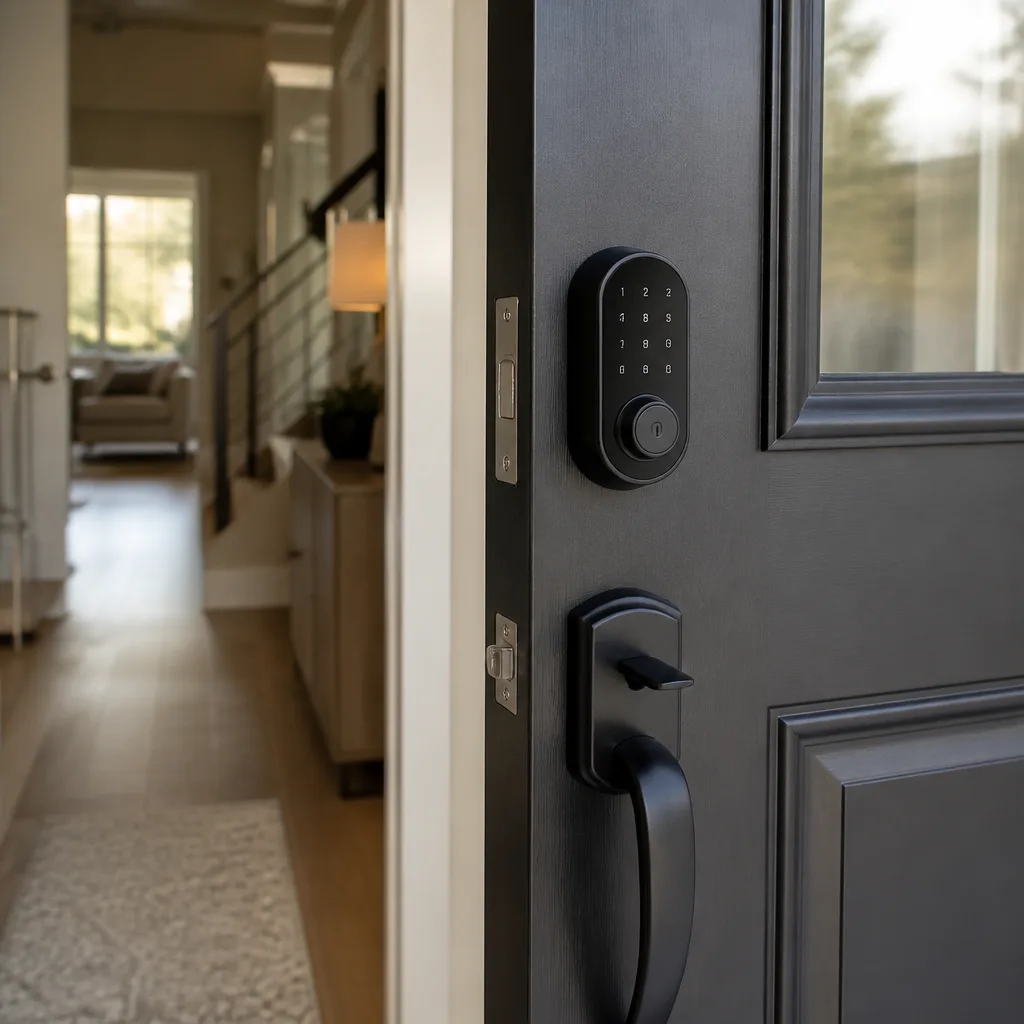 Smart locks
 House lockouts
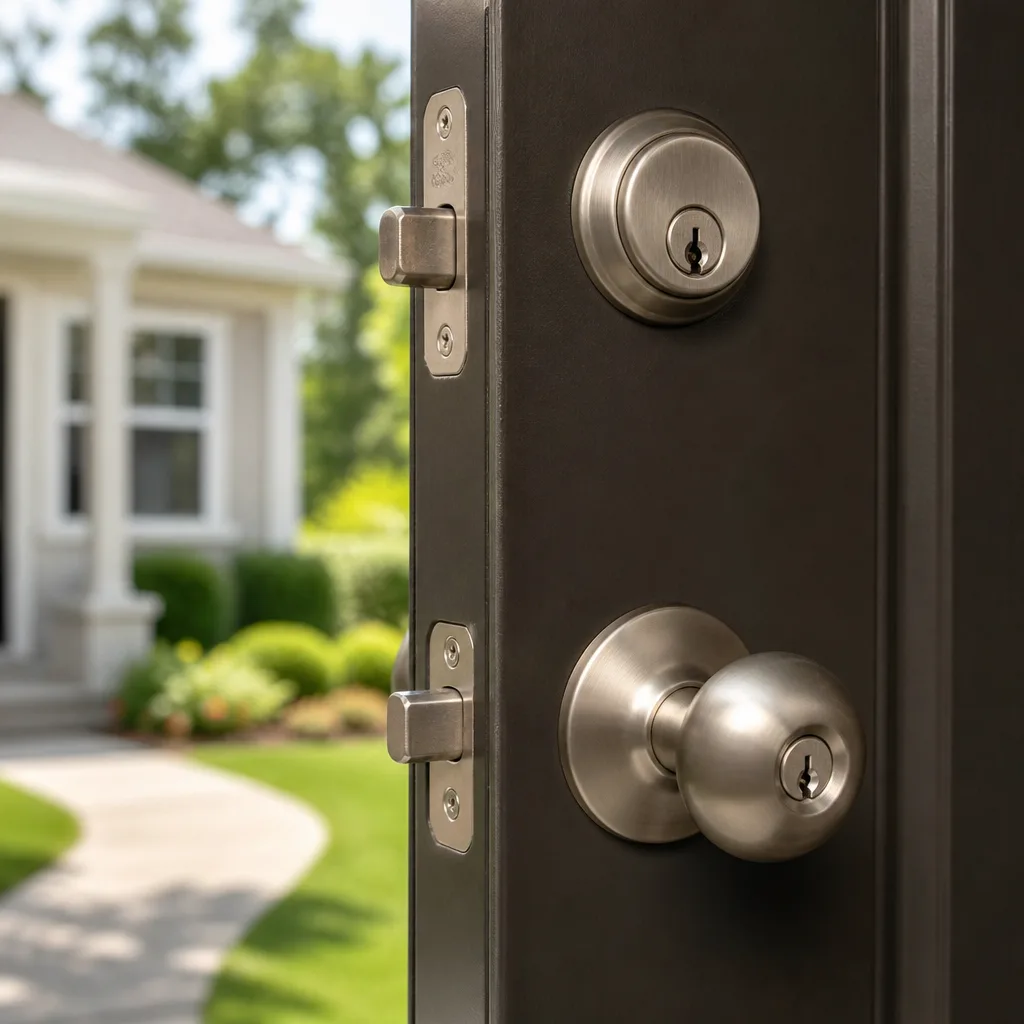 Re-keying
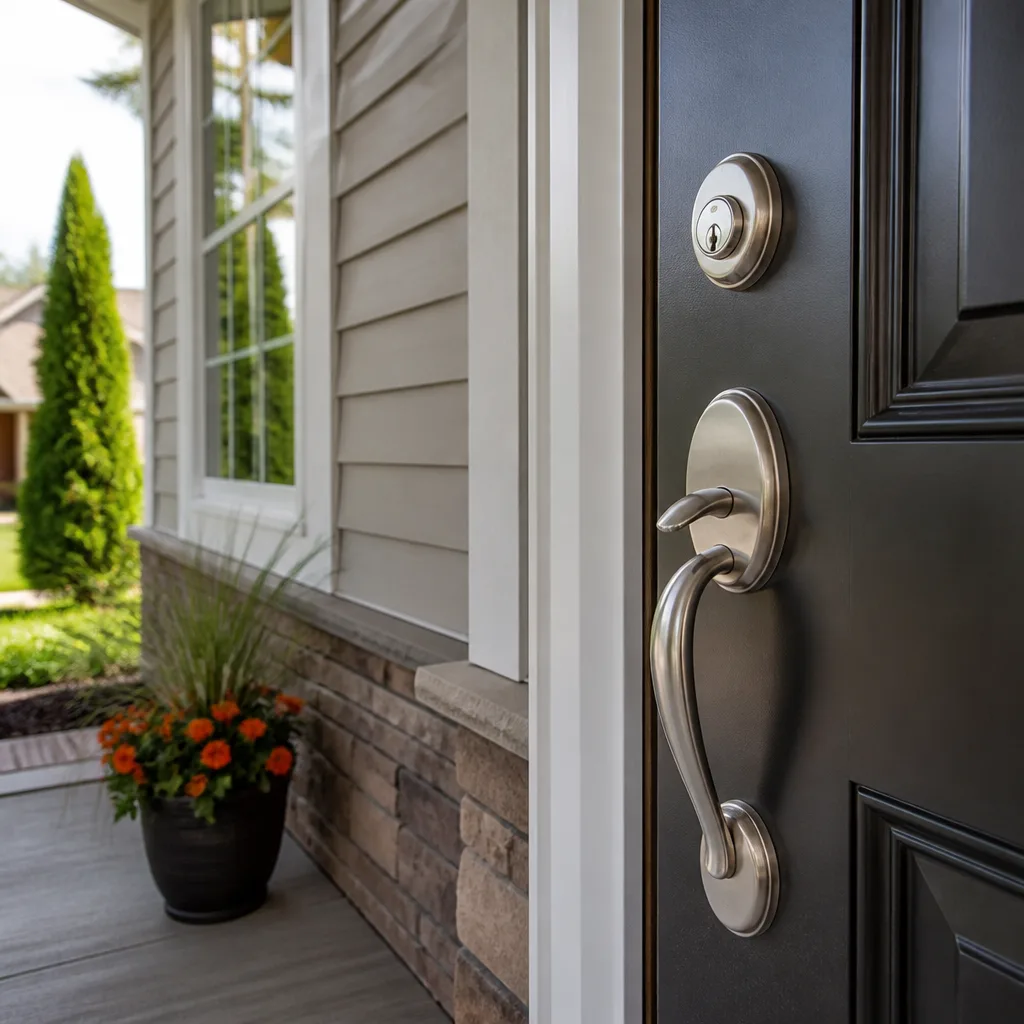
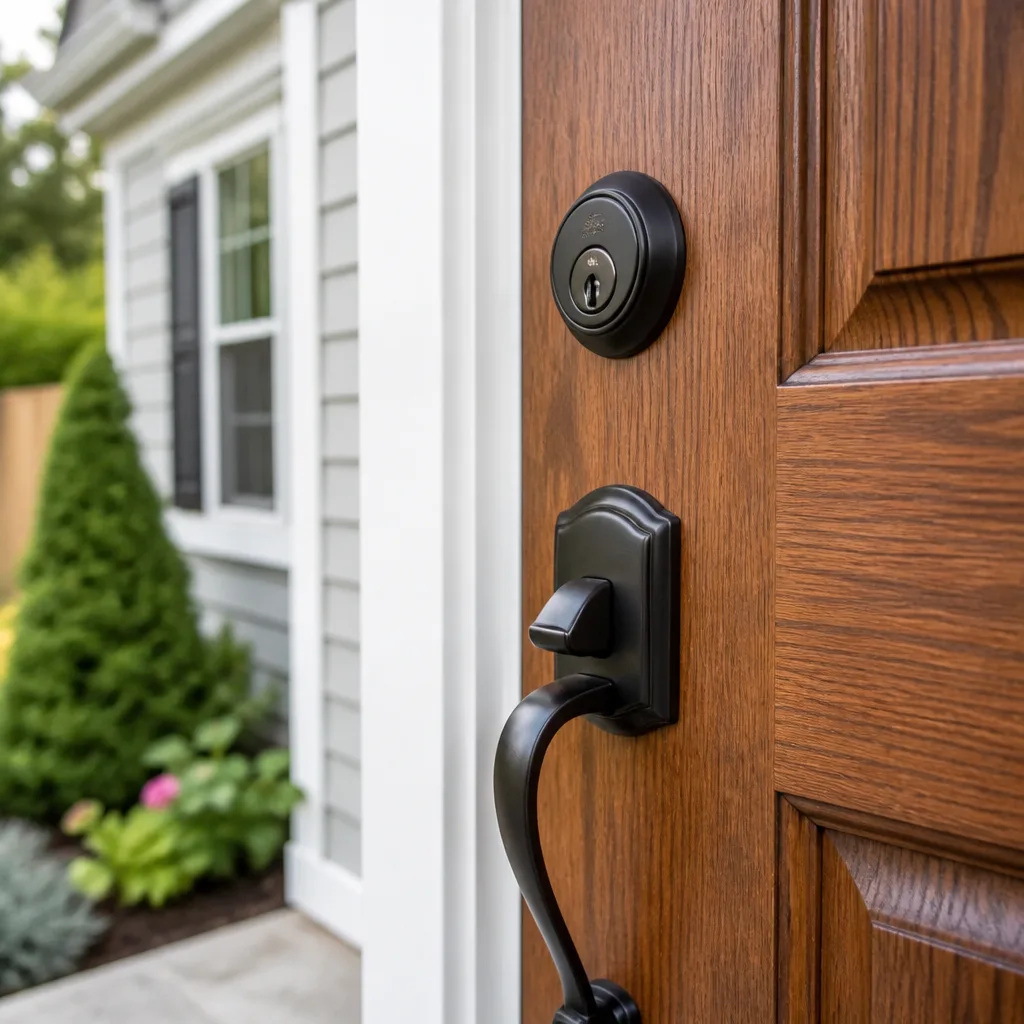 Deadbolt upgrades
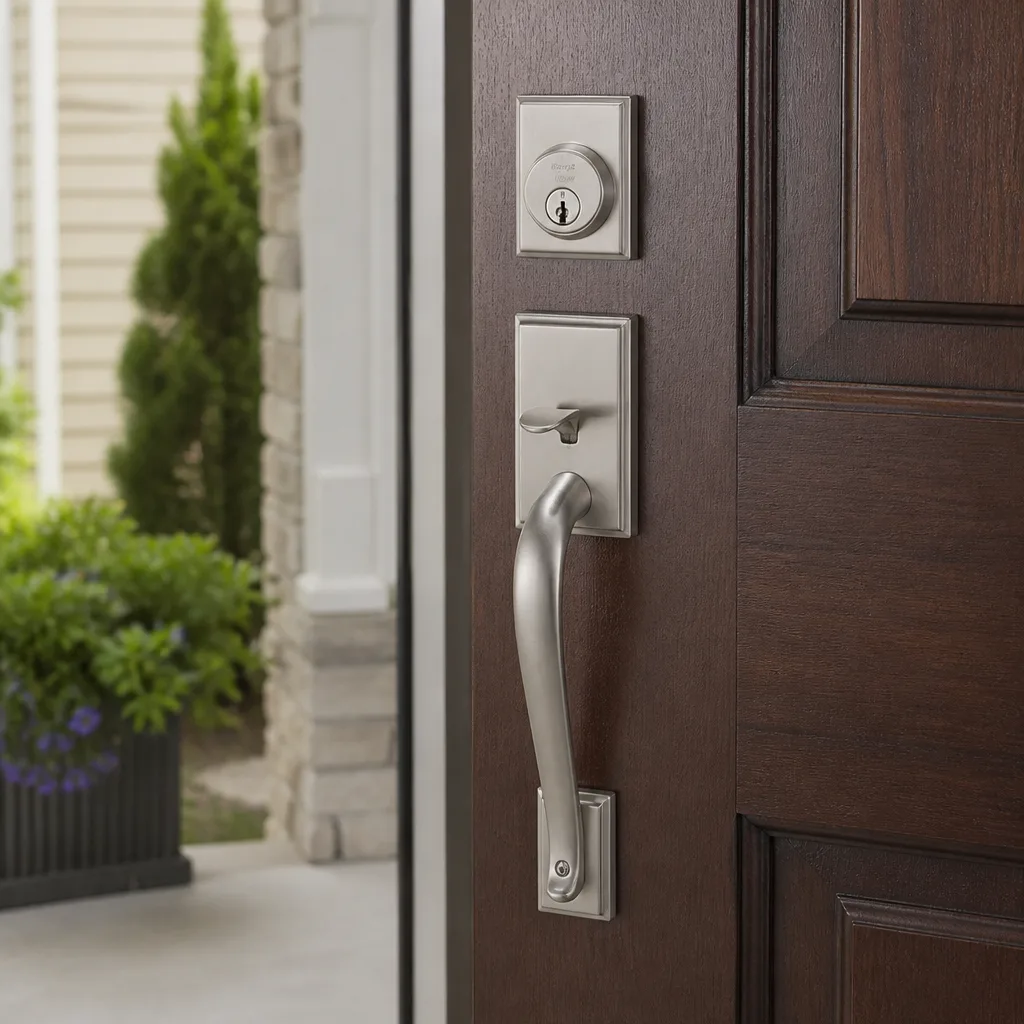 Schlage
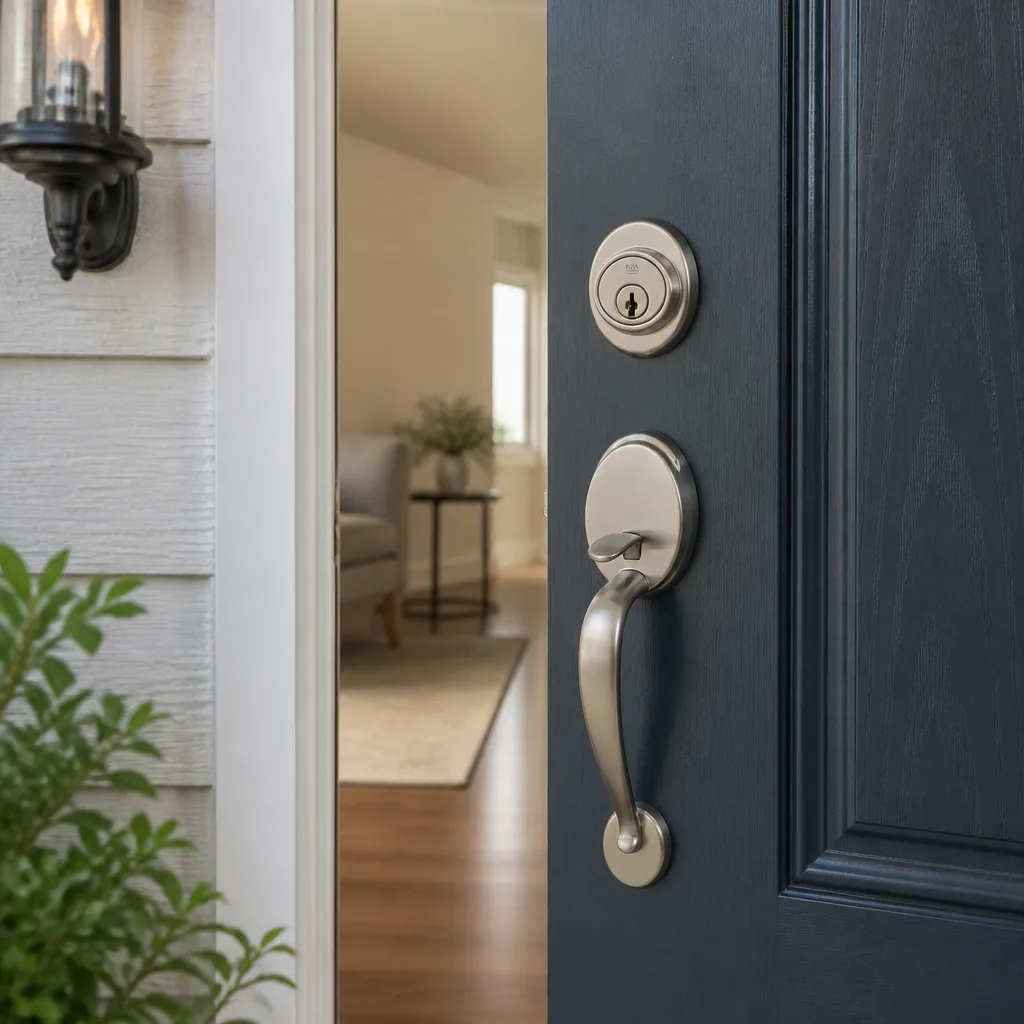 Kwikset
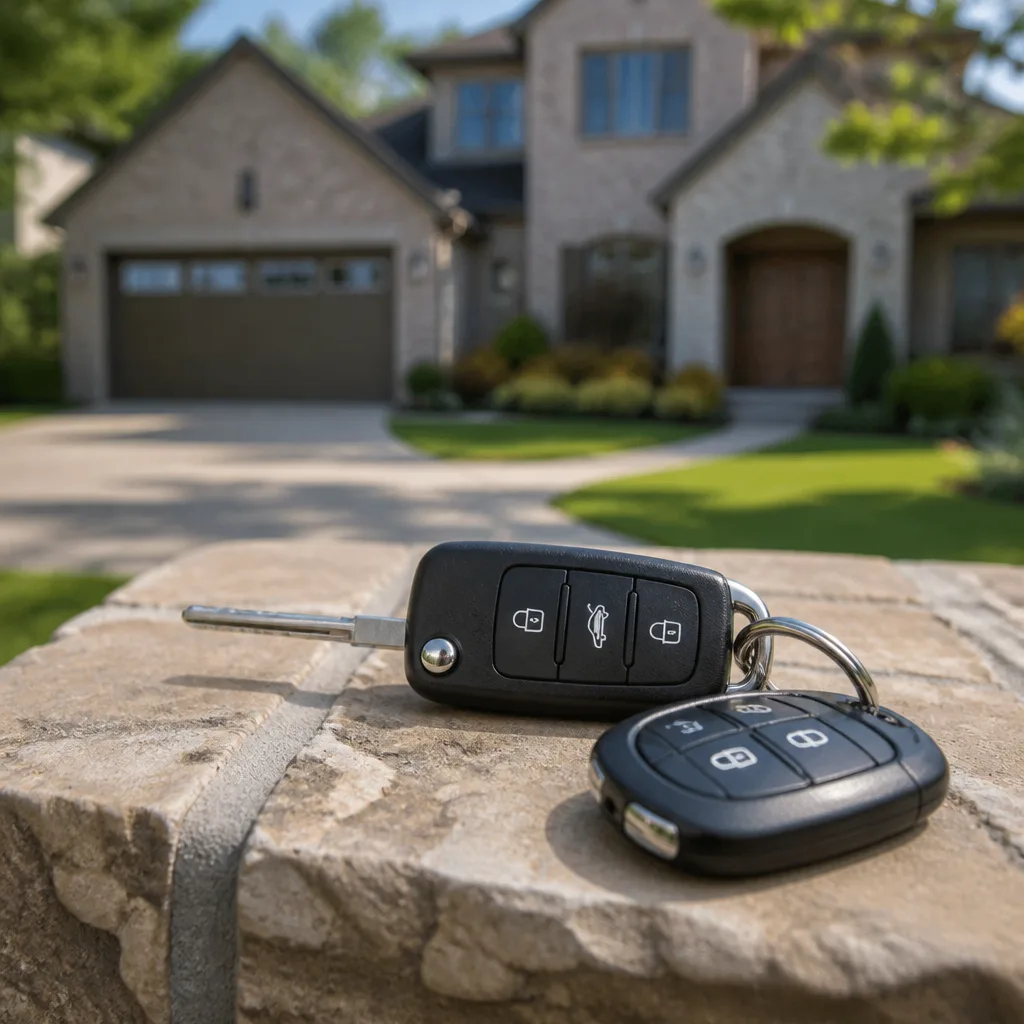 Car keys & fobs
Non-destructive entry first, always - and we re-key Schlage, Kwikset, and Baldwin locks on the spot while you watch
You get a price before we start. It does not change when we arrive. No surprises.
Get your free estimateHow to Hire a Locksmith Contractor in Grand Rapids: A Step-by-Step Guide
Here’s something most homeowners don’t consider until it’s too late: a locksmith, by definition, learns exactly how your home’s security is configured the moment they arrive. Which lock brands you have. Whether your deadbolt is properly installed. Which windows have secondary latches. You’re not just hiring someone to turn a wrench. You’re handing over a mental map of your home’s entry points to a person you met fifteen minutes ago. This guide walks through how to hire a locksmith contractor in Grand Rapids who actually deserves that level of access, step by step, without guesswork or regret. For more guides & resources, visit our blog.
Styles & brands we work with
Quick Answer
To hire a locksmith contractor in Grand Rapids, verify their Michigan business license and insurance certificate first, then confirm they have a physical Grand Rapids or Kent County address rather than just a local-looking phone number. Ask three specific questions before scheduling: whether they service your lock brand, whether the quote includes all labor and hardware, and whether they’ll provide a written scope of work before starting. A credentialed locksmith will answer all three without hesitation.
Table of Contents
- Why Vetting a Locksmith Matters More Than Vetting Other Contractors
- Licensing, Insurance, and Background Checks: The Non-Negotiables
- How Dispatch Aggregator Scams Work in Grand Rapids and Kent County
- Questions to Ask Before Any Work Begins
- What a Written Scope of Work Should Include
- Why the Lowest Quote Is Often the Most Expensive Outcome
- Red Flags That Should End the Conversation Immediately
- Common Mistakes to Avoid
- When to Call a Professional
- Frequently Asked Questions
- The Bottom Line
Why Vetting a Locksmith Matters More Than Vetting Other Contractors
When you hire a plumber, they fix a pipe. When you hire an electrician, they run wire. When you hire a locksmith, they learn how to defeat your security. That’s not an exaggeration. A competent locksmith can identify the brand and model of every lock on your property within minutes, understand how each cylinder is pinned, and know which bypass techniques would work against your specific hardware. In Grand Rapids, where housing stock ranges from Heritage Hill century homes with original mortise locksets to new-build subdivisions with smart locks and multi-point entry systems, that knowledge is substantial.
This is why the vetting process for a locksmith should be different from how you’d screen other contractors. You’re not just checking whether they’ll show up on time or clean up after themselves. You’re verifying that the person holding your key patterns, your lock brand information, and your entry point details is licensed, traceable, and accountable. A locksmith who rekeys your home knows exactly which pins are in which cylinders. A locksmith who replaces your deadbolt knows how the strike plate is mounted and whether the frame is reinforced. That information, in the wrong hands, is a security liability.
We’ve seen Grand Rapids homeowners hire someone from a search result without checking credentials, only to discover later that the “locksmith” was an unlicensed subcontractor dispatched from a call center two states away. The work got done, sort of. But the homeowner had no idea who had actually been inside their home or what information they’d walked away with. That’s the scenario this guide is designed to prevent. At Reliance Lock & Key home, we’ve built our entire process around the principle that a locksmith should be held to a higher verification standard than other trades, because the stakes are higher.
Licensing, Insurance, and Background Checks: The Non-Negotiables
Before you even discuss pricing or scheduling, there are three verification steps that should be non-negotiable when hiring a locksmith in Grand Rapids. These steps filter out the vast majority of unqualified operators and protect you from liability if something goes wrong.
Step 1: Ask for the Michigan business license. Michigan does not have a statewide locksmith-specific licensing board, which means the burden of verification falls on you. See our Locksmith Permits, Codes & Inspections in MI: What You Need to Know for details on local requirements. A legitimate locksmith will have a registered Michigan business entity, a Michigan sales tax license if they sell hardware, and often a local business license through the city or township where they operate. In Grand Rapids, a physical business address within Kent County is a strong indicator of legitimacy. Ask for the license number and verify it independently through the Michigan Department of Licensing and Regulatory Affairs (LARA) database. If the locksmith hesitates, deflects, or says licensing doesn’t matter, end the call.
Step 2: Request proof of liability insurance. A reputable locksmith carries general liability insurance, typically between $500,000 and $2 million in coverage. This protects you if the locksmith damages your door frame, scratches your vehicle during a car key extraction, or causes any property damage during the job. Ask for a certificate of insurance (COI) with your name listed as the certificate holder. Any legitimate locksmith will provide this within minutes. Anyone who balks at providing a COI is not insured, and you don’t want an uninsured contractor working on your home’s security hardware.
Step 3: Ask about background checks. Here’s the uncomfortable truth: you’re inviting a stranger into your home and showing them exactly how your locks work. A professional locksmith company in Grand Rapids will run background checks on its technicians and be willing to tell you that. The specific standard varies, but Michigan’s Public Act 254 allows locksmith companies to require criminal background checks through the Michigan State Police’s Internet Criminal History Access Tool (ICHAT). A company that conducts these checks and is willing to say so demonstrates that it takes the access question as seriously as you should.
These three steps take about ten minutes total. They’re not bureaucratic hoops. They’re the difference between hiring a verified professional and hiring someone with a tension wrench and a Google listing.
How Dispatch Aggregator Scams Work in Grand Rapids and Kent County
One of the most persistent problems in the locksmith industry, including right here in Kent County, is the dispatch aggregator model. This is a scheme where a national call center buys dozens of local-looking phone numbers and Google Business Profile listings for Grand Rapids, then routes every call to whichever unlicensed tech is available. The person on the phone says they’re “in Grand Rapids” and “can be there in twenty minutes.” The person who shows up is a subcontractor with no verifiable credentials, no insurance, and often no fixed address.
The mechanics are simple: the call center takes your information, charges a “dispatch fee” or inflates the quote, and keeps a cut. The tech who arrives is incentivized to upsell aggressively, because their cut depends on it. If the tech damages your lock or does poor work, there’s no one accountable. The call center denies responsibility, the tech’s number is disconnected, and you’re left paying a real locksmith to fix what the fake one broke.
How do you spot these operations in Grand Rapids? Watch for three patterns. First, the phone number stays the same across multiple listings for different “companies” in different cities. Second, the person answering can’t tell you the cross streets of their actual location, because there isn’t one. Third, they quote a price before asking what brand of lock you have, what kind of door it’s on, or whether it’s an emergency or scheduled appointment. A real locksmith asks questions first. A dispatch center quotes first.
When you call a local Grand Rapids locksmith directly, you should be able to have a conversation about your actual situation. The person on the phone should know what a mortise lock is, should ask whether you have a Kwikset or Schlage deadbolt, and should be able to give you a straight answer about whether the job requires rekeying or replacement. If the conversation feels like a script, it probably is. For emergency situations specifically, our guide on Emergency Locksmith in Grand Rapids walks through what a legitimate emergency call should look like.
Questions to Ask Before Any Work Begins
Once you’ve verified licensing and insurance, the next step is a short conversation that reveals whether the locksmith actually knows what they’re doing or is improvising on your locks. These questions are designed to separate genuine product knowledge from generic handyman confidence. Ask them before you agree to any work.
Question 1: “What brands of locks do you service?” A legitimate locksmith will give you a specific answer: Schlage, Kwikset, Baldwin, Yale, Sargent, Medeco, Mul-T-Lock, Abloy. They’ll know the difference between a Kwikset SmartKey cylinder and a traditional pin-and-tumbler. They’ll know that Medeco and Abloy are restricted-key systems that require specialized training and dealer authorization. If the answer is vague, something like “we work on all of them” without any follow-up detail, that’s a caution sign. A locksmith who has invested in training for high-security systems will mention it because it’s relevant to your security.
Question 2: “Is the quote you’re giving me the full price, including all labor and hardware?” This is the question that separates honest operators from bait-pricers. A legitimate locksmith in Grand Rapids will give you a range that includes everything: the service call, the labor, the pins, the springs, any new hardware, and the tax. The full price quoted on the phone should be the price on the invoice. If the locksmith says something like “it starts at” or “we’ll see when we get there,” that’s a red flag. You should never be surprised by add-on fees when the tech arrives.
Question 3: “Can you provide a written scope of work before you start?” This question reveals whether the locksmith operates like a professional contractor or a handyman with a van. A real locksmith will have no problem describing, in writing, what they’ll do: which locks they’ll rekey, which cylinders they’ll replace, what hardware they’ll install, and what the total cost will be. If they resist putting it in writing, or say a verbal estimate is fine, that’s a sign they want the flexibility to change the price after they’ve started.
Question 4: “Do you do the work yourself, or do you subcontract?” This one matters more than people think. If the company is subcontracting to whoever is available, you lose the verification you did earlier. The licensed, insured, background-checked locksmith you vetted might not be the person who actually shows up. A company that uses employee technicians, not subcontractors, can guarantee that the person at your door is the person they’ve vouched for.
Question 5: “What’s your process for rekeying versus replacing?” This question reveals whether the locksmith gives honest advice or pushes expensive replacements. A knowledgeable locksmith will explain that rekeying is usually sufficient and much cheaper than replacing hardware, assuming the existing locks are in good condition. If the locksmith immediately suggests replacing all your locks without inspecting them, you’re talking to someone who wants to sell hardware, not solve your problem. For more detail on this, see our guide on Rekey Locks in Grand Rapids, which explains when rekeying is the right call and when replacement actually is necessary.
What a Written Scope of Work Should Include
A verbal estimate commits you to nothing and commits the locksmith to nothing. When there’s a dispute later, which typically happens when the invoice doesn’t match the phone quote, you’ll have no documentation. A written scope of work solves this problem. Here’s what a proper residential locksmith scope should include, and what a verbal estimate actually gives you in comparison.
A proper written scope of work for a residential locksmith job in Grand Rapids should include:
- The specific work being performed: Rekey two entry deadbolts (front door and side door), rekey three interior passage knobs to match, replace one worn cylinder on the back door.
- The hardware brands and models involved: Whether the existing locks are Kwikset, Schlage, or another brand, and what replacement parts, if any, will be used.
- The total cost, itemized: Service call fee, labor, parts, tax. Each line item listed separately so you can see exactly where the money goes.
- The timeframe: When the work starts and how long it will take. For rekeying, a typical home with three to five locks takes one to two hours.
- The warranty terms: What’s covered, for how long, and what voids the warranty. New hardware typically carries a manufacturer’s warranty. Rekeying work should carry a labor warranty, typically 30 to 90 days.
- The locksmith’s name and company: The specific technician assigned, not just a company name, so you know who to contact if follow-up is needed.
A verbal estimate, by contrast, typically gives you none of this. You get a number, maybe a loose description of the work, and nothing that holds up if the price changes on site. In our experience at Reliance Lock & Key, Grand Rapids homeowners who request a written scope rarely have disputes afterward, because the expectations are documented on both sides. If a locksmith won’t provide a written scope before starting, that’s not a scheduling convenience. That’s a decision about how much accountability they’re willing to accept.
Why the Lowest Quote Is Often the Most Expensive Outcome
Locksmith pricing in Grand Rapids follows a predictable pattern, and understanding it will save you from the most common financial trap in this industry. Our Locksmith Cost Breakdown: The Grand Rapids Homeowner’s Reference for 2026 explains what to expect. The trap is simple: you call three locksmiths, get three quotes, and pick the lowest one. The problem is that locksmith work is not a commodity, and the lowest quote often costs more by the time the job is finished.
Here’s the scenario we see repeatedly in Grand Rapids. You get a quote for a rekeying job. One locksmith quotes $45, another quotes $75, another quotes $120. The $45 quote sounds great until the tech arrives, looks at your locks, and announces that your cylinders are “worn out” and need replacement at $40 per cylinder. Or the $45 was the service call fee, and the actual rekeying is additional. Or the tech uses low-quality aftermarket pins that wear quickly, and six months later your keys are sticking and you’re calling someone else to redo the work.
The honest quote accounts for the actual labor involved in rekeying a lock properly: disassembling the cylinder, replacing the pins, reassembling, testing, reinstalling. That takes time and skill. A quote that doesn’t cover the labor cost of doing the job properly means the locksmith will either cut corners, pad the invoice with add-ons, or both. When the work is done correctly the first time, the cost is predictable and contained. When it’s done cheaply, you pay again to fix it, and the total cost exceeds what the honest quote would have been from the start.
For car key replacement, the same pattern applies. A dealership key can cost $250 to $500, depending on the vehicle. A legitimate automotive locksmith can often provide the same key, cut and programmed, for significantly less. But a cut-rate locksmith who “programs” a key without the right diagnostic equipment might produce a key that works intermittently or stops working entirely. The savings evaporate when you’re towed back to the dealership. Our Car Key Replacement in Grand Rapids page explains what proper automotive key programming actually involves and why the equipment matters.
The rule of thumb: if a quote is dramatically lower than the other two, ask why. Legitimate differences in price should be explainable in terms of overhead, not mystery. A locksmith who can’t explain their pricing structure is pricing on volume, not value, and volume locksmithing is where corners get cut.
Red Flags That Should End the Conversation Immediately
Some warning signs are subtle. Some aren’t. Here are the red flags that should make you hang up the phone, close the browser tab, or send the tech away before any work begins. These aren’t minor annoyances. They’re indicators that the person you’re dealing with is not a legitimate locksmith.
- No physical address. The locksmith can’t tell you where they’re actually located, or the address traces to a UPS store or a residential address unrelated to any lock business. Legitimate Grand Rapids locksmiths have a verifiable business location.
- Refuses to provide license or insurance information. Any credible locksmith will share this without hesitation. Refusal is not a privacy preference. It’s a disclosure that they don’t have what you’re asking about.
- Quotes a price before asking any questions. A real locksmith needs to know what kind of lock, what kind of door, whether it’s residential or commercial, and whether it’s emergency or scheduled. A quote that doesn’t require any of that information isn’t based on your situation.
- Insists on drilling the lock immediately. Drilling is a last resort for locks that can’t be picked, rekeyed, or otherwise opened non-destructively. A locksmith who reaches for the drill first is either unskilled at picking or wants to sell you a new lock. In nearly all residential situations, drilling should be unnecessary.
- Demands cash only. Legitimate locksmiths in Grand Rapids accept standard payment methods: credit cards, debit cards, checks. Cash-only demands are a hallmark of unreported, unlicensed work.
- Different person than you vetted. You verified “Reliable Locksmith LLC” and the person at your door says they’re “with” that company but can’t show ID or any company identification. You don’t know who this person is. Don’t let them in.
Common Mistakes to Avoid
- Hiring the first result on Google without checking credentials. Google rankings are not a verification system. The top result in Grand Rapids is often whoever has the best listing optimization, not necessarily the best credential. Always verify independently.
- Accepting a verbal estimate with no written scope. A verbal estimate is worth exactly nothing when the invoice arrives. Always get the scope of work in writing, even for small jobs. This is the single most common mistake we see, and the one that leads to the most disputes.
- Choosing the lowest quote without asking why it’s low. Underpriced locksmith work is almost always subsidized by added fees on site or compromised by cut corners. Ask what’s included in the quote and what isn’t.
- Not checking whether the locksmith services your lock brand. Not all locksmiths can work on all systems. If you have a Medeco, Abloy, or Mul-T-Lock restricted-key system, most general locksmiths cannot service it. Asking upfront saves you a service call fee for a locksmith who can’t actually help.
- Treating locksmith work like an emergency instead of a planned decision. Emergencies happen, but many locksmith needs are predictable: you just moved into a new house, you changed tenants, you lost a spare key. Planning ahead lets you vet properly instead of grabbing the first available number while standing in the cold outside your front door.
- Assuming all locksmiths are interchangeable. A locksmith who primarily does automotive work is not the same as one who specializes in residential security. A locksmith who can service Schlage and Kwikset is not the same as one trained on high-security restricted systems. Ask about their specific experience with your specific situation.
When to Call a Professional
There are scenarios where you should not attempt DIY lock work at all. If you’ve just moved into a new home in Grand Rapids, you don’t know how many copies of your keys exist or who holds them. That’s a rekeying situation, and it’s worth having a professional do it correctly the first time. If you’ve lost a modern car key with a transponder chip, the programming requires diagnostic equipment that most people don’t own. If you’re locked out and the temperature is below freezing, which happens often enough in Grand Rapids winters, the urgency of getting inside safely outweighs the appeal of saving a few dollars with trial and error. Review our Locksmith Emergency Preparedness Guide for Grand Rapids Homes before you need it. And if you have high-security locks from Medeco, Abloy, or Mul-T-Lock, those systems are restricted for a reason: they require specialized tools and training to service correctly. Reliance Lock & Key offers free estimates in Grand Rapids, call (855) 341-7491 to discuss your situation before you decide whether DIY makes sense.
Frequently Asked Questions
With a reputable Grand Rapids locksmith, the price quoted on the phone should be the price on the invoice, with no surprise add-ons when the tech arrives. A legitimate quote includes the service call, all labor, parts, and tax. If a locksmith can’t commit to a full price before dispatching, that’s a signal to call someone else. Call (855) 341-7491 for an exact quote, estimates are free.
Ask for the Michigan business license number and verify it through LARA’s online database. Michigan doesn’t have a locksmith-specific state license, but a legitimate locksmith will have a registered business entity, a sales tax license if selling hardware, and will carry liability insurance. A physical business address in Grand Rapids or Kent County adds another layer of verifiability. If any of these are missing or the locksmith deflects, don’t hire them.
Response times for emergency locksmith service in Grand Rapids typically range from 30 to 60 minutes, depending on traffic, time of day, and where in the metro area you’re located. Winter weather and highway conditions on 131 or I-196 can slow things down. For non-emergency work like rekeying or car key replacement, appointments are normally scheduled same-day or next-day. Call (855) 341-7491 to check current availability for your address.
Rekeying changes the internal pins of an existing lock so that old keys no longer work and new keys operate it, at a fraction of the cost of replacing the entire hardware. Replacing means installing new lock hardware entirely. Rekeying is appropriate when the existing hardware is in good condition and you just need to change who has access, such as after moving into a new home or changing tenants. Replacement is appropriate when hardware is damaged, worn, or you want to upgrade to a different brand or security level.
High-security restricted-key systems like Medeco, Abloy, and Mul-T-Lock require specialized training and dealer authorization that most general locksmiths do not have. Not every locksmith in Grand Rapids can service these systems, and attempting to do so without the right credentials can damage the lock or void the manufacturer’s warranty. If you have restricted-key hardware, ask specifically about that experience before scheduling.
A qualified automotive locksmith can often cut and program a replacement car key for significantly less than a dealership, and with faster turnaround. The key requirements vary by vehicle make, model, and year, and modern transponder keys require diagnostic programming equipment. In many cases, a locksmith can provide the same key the dealership would, at a lower cost, and come to your location rather than requiring you to tow the vehicle.
The Bottom Line
Hiring a locksmith in Grand Rapids is a verification process, not a shopping transaction. Verify the license, verify the insurance, verify the background check policy, and verify that the person who shows up is the person you vetted. Ask direct questions about lock brands and pricing before any work begins, and require a written scope of work so the invoice can’t drift from the quote. The cheapest quote is rarely the cheapest outcome, and a locksmith who can’t answer your questions on the phone won’t do better work in person. Take the ten minutes to verify, and you won’t be among the Grand Rapids homeowners we meet who learned about dispatch scams the hard way.
Written by the team at Reliance Lock & Key, serving Grand Rapids since 2016.