
Last updated October 31, 2026
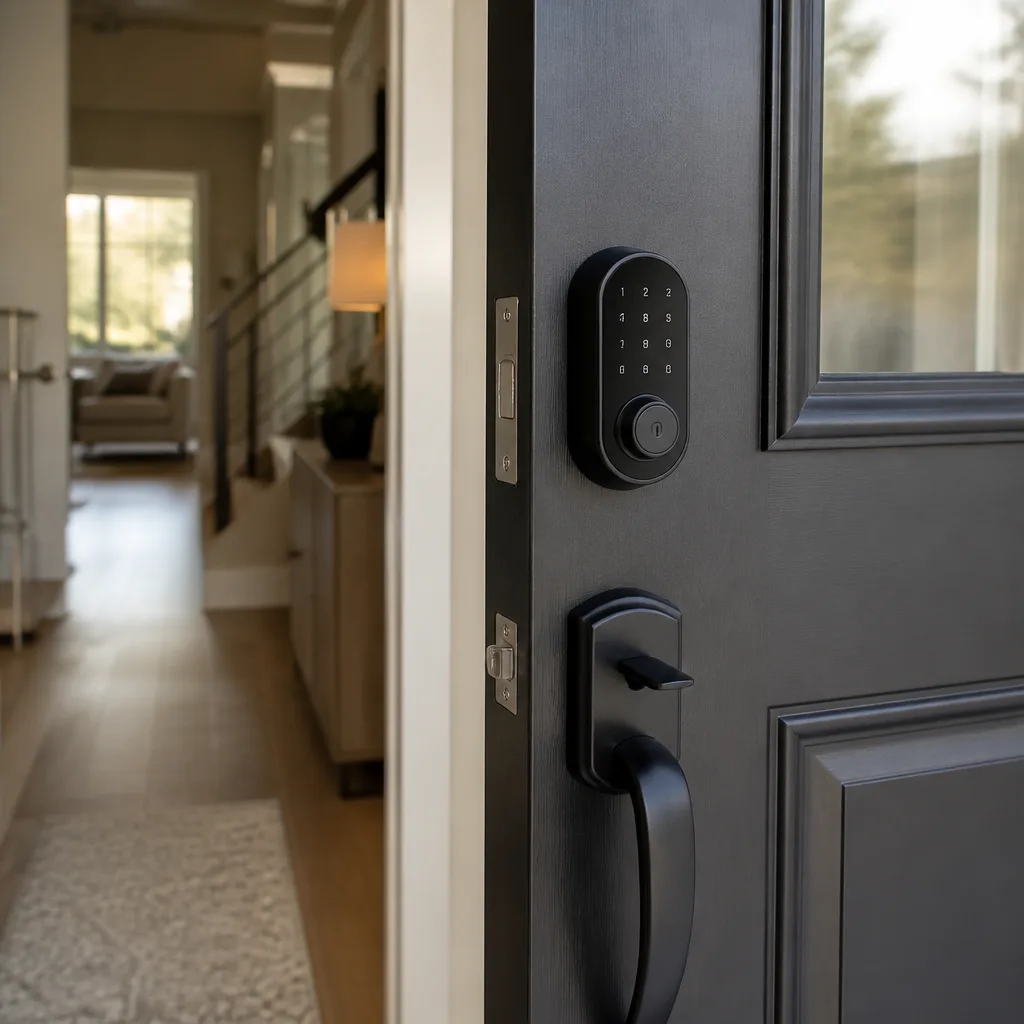 Smart locks
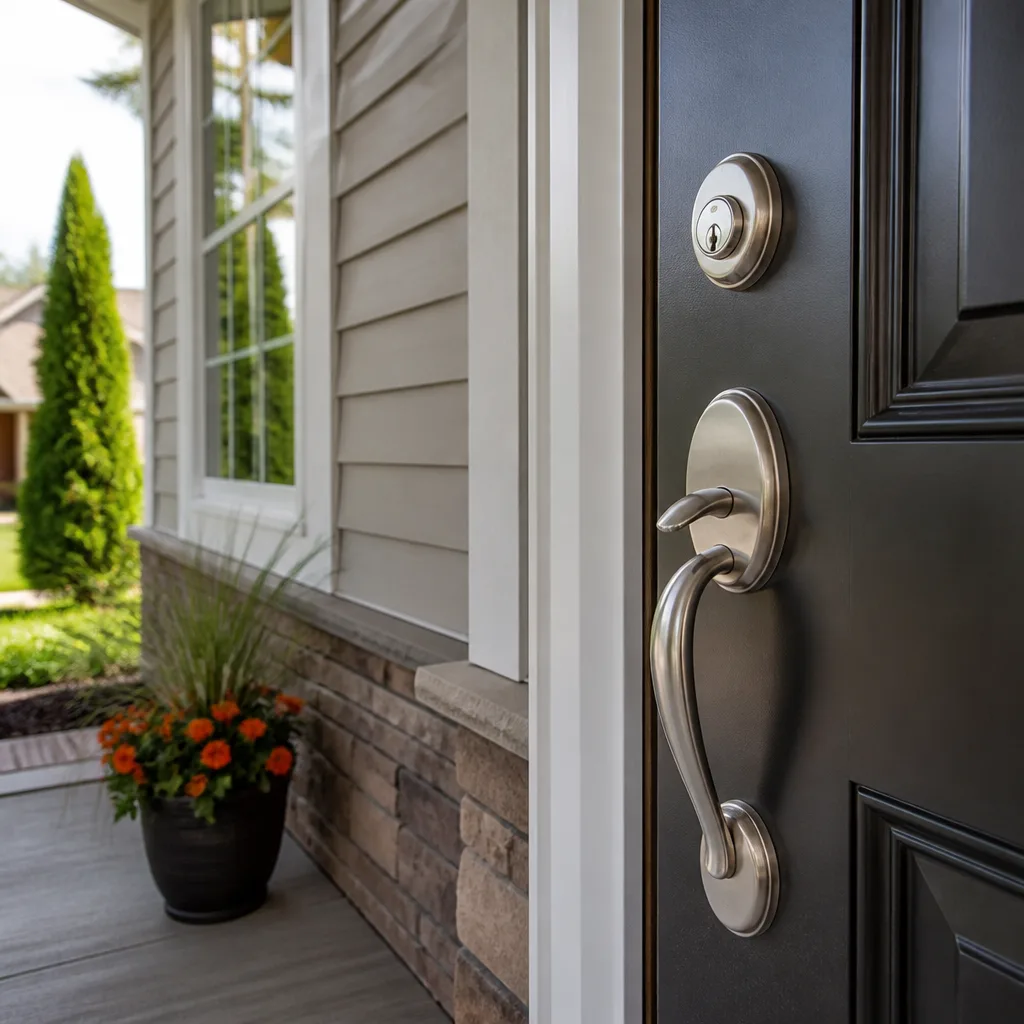 House lockouts
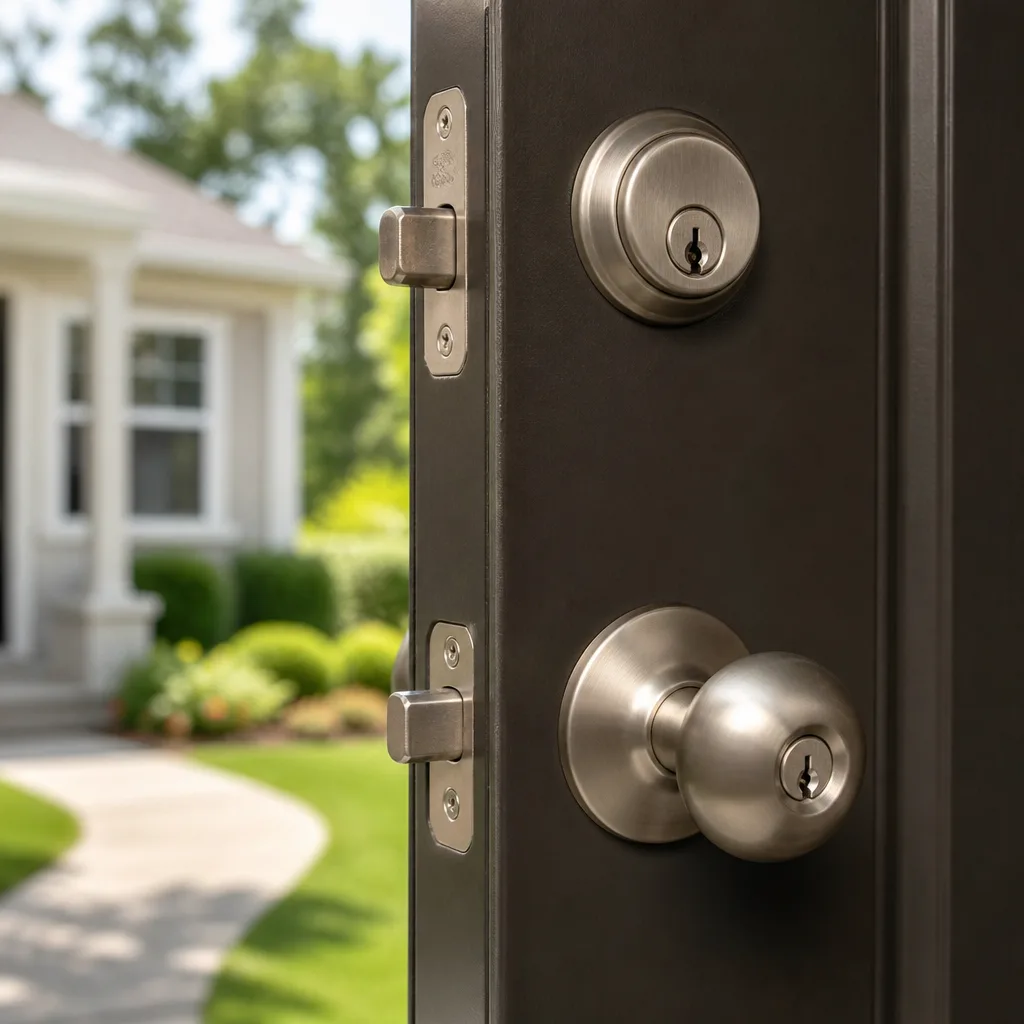 Re-keying
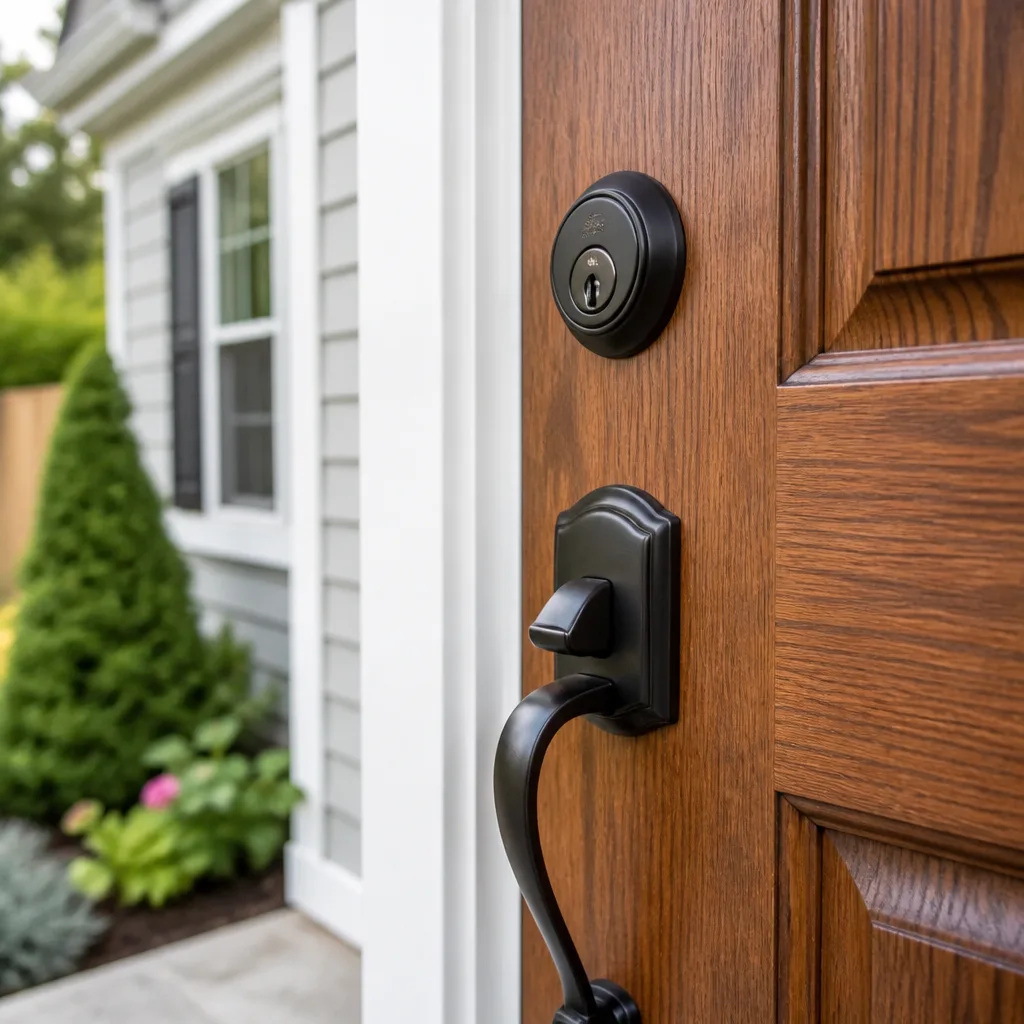 Deadbolt upgrades
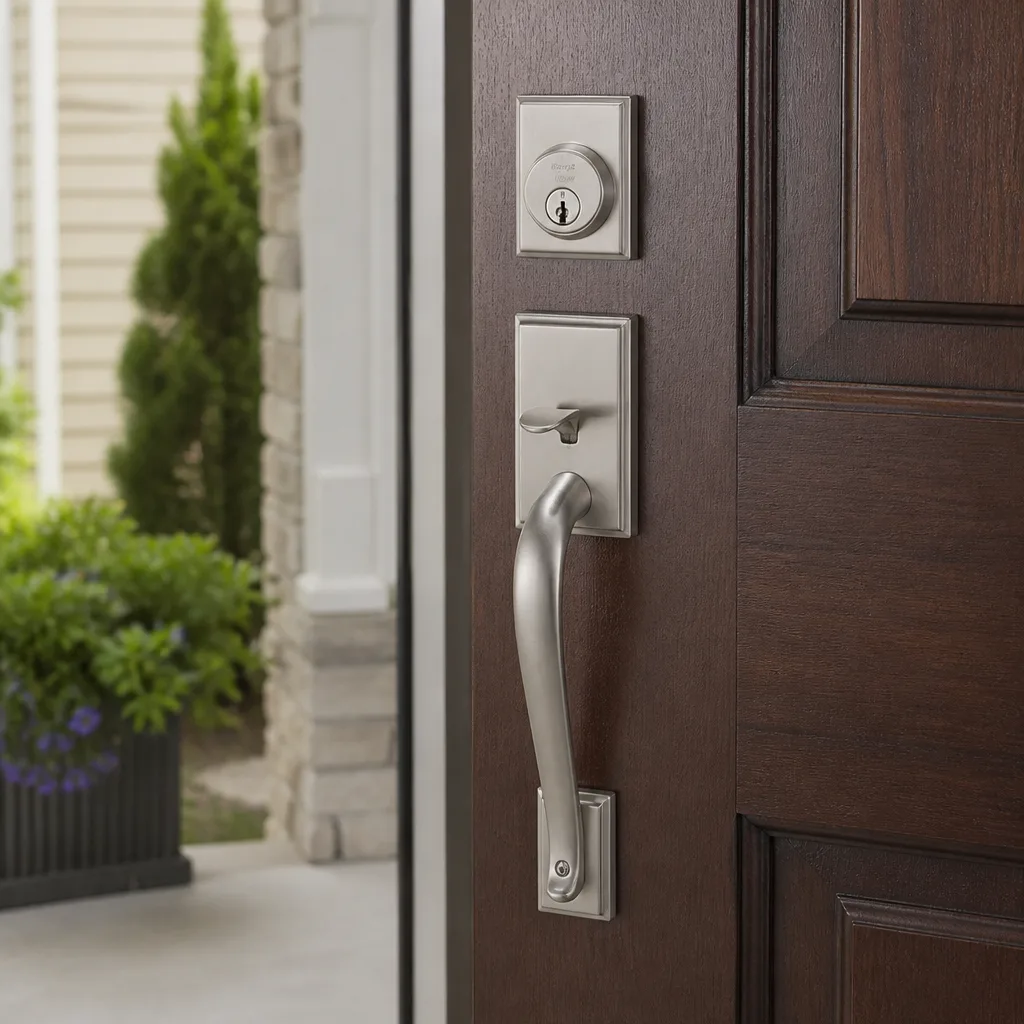 Schlage
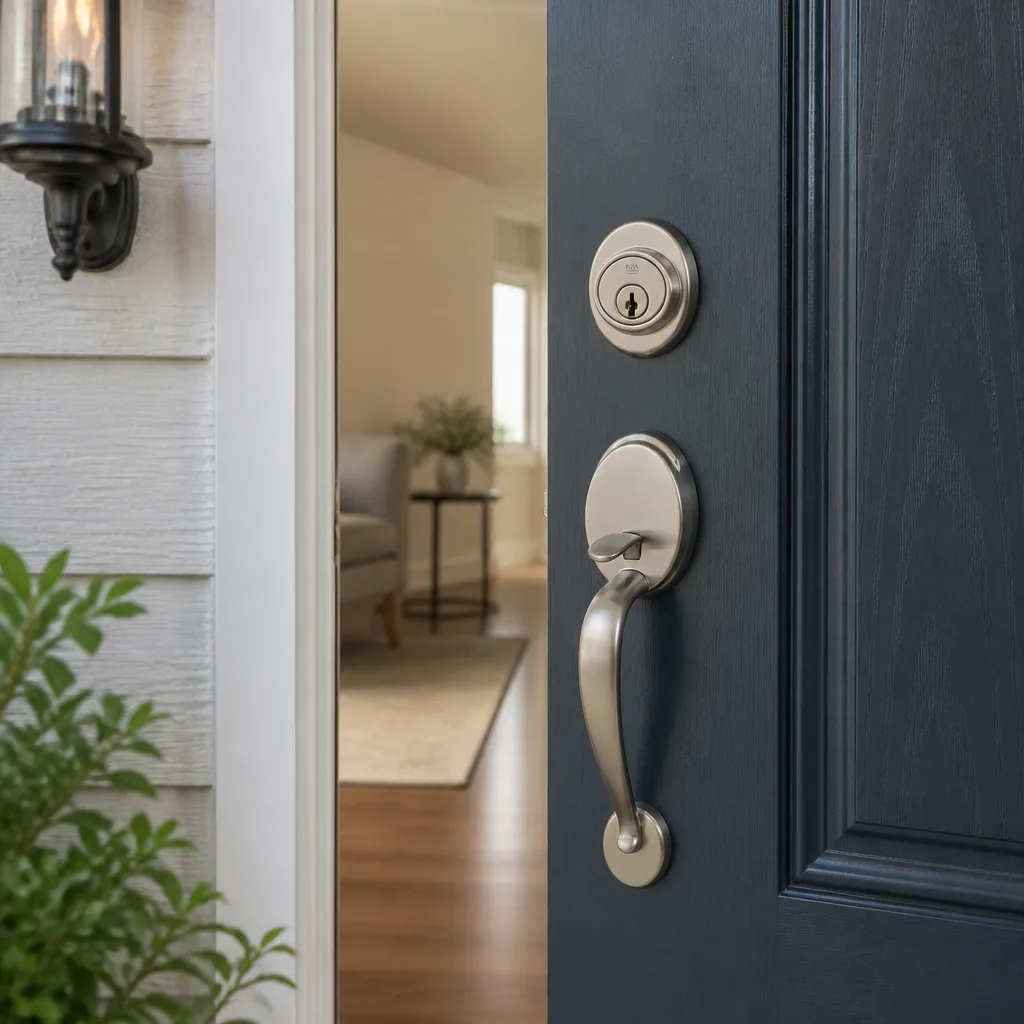 Kwikset
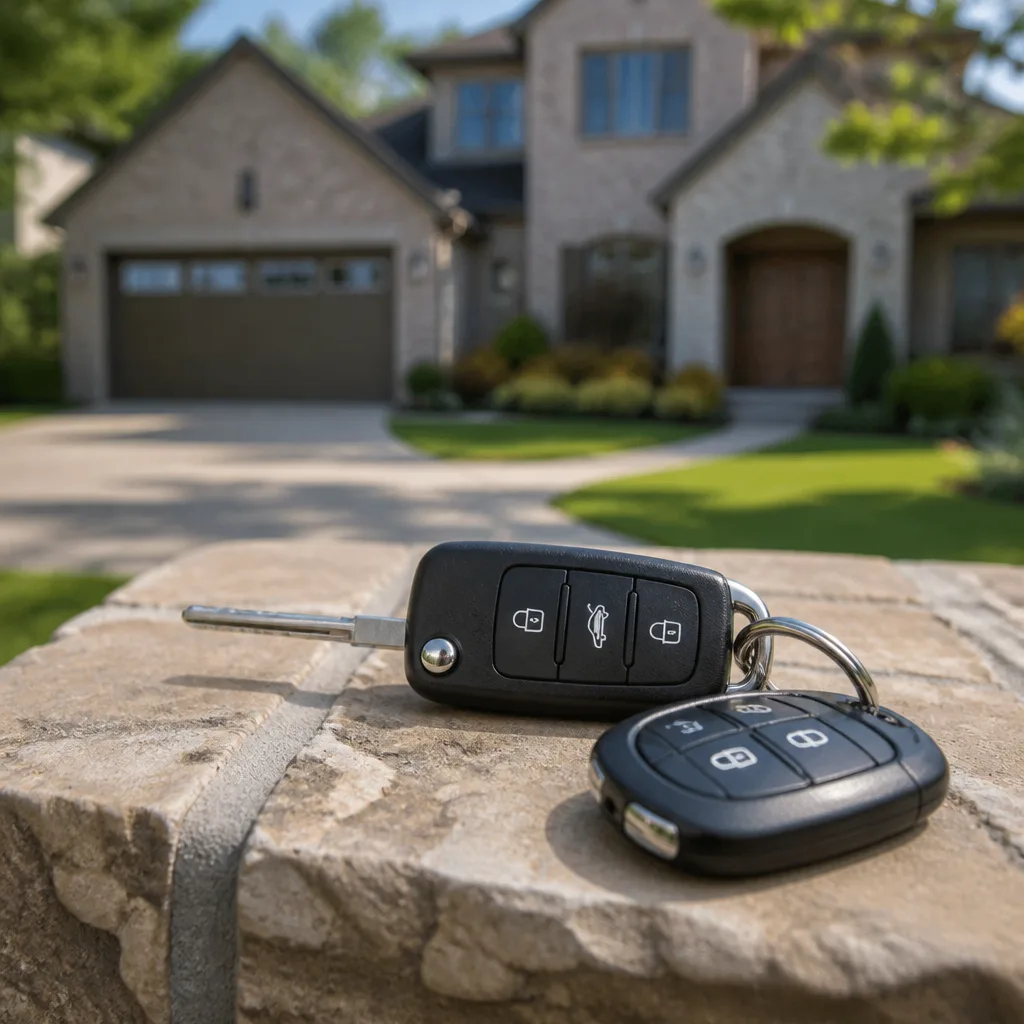 Car keys & fobs
Non-destructive entry first, always - and we re-key Schlage, Kwikset, and Baldwin locks on the spot while you watch
You get a price before we start. It does not change when we arrive. No surprises.
Get your free estimateSeasonal Locksmith Care for Grand Rapids: Year-Round Homeowner’s Guide
Here’s a fact that surprises most Grand Rapids homeowners: the most common cause of a January lockout in West Michigan isn’t a lost key. It’s a lock cylinder that seized gradually through November and December while the homeowner assumed it was just stiff from the cold. A lock almost never fails suddenly. It fails incrementally, season by season, in predictable patterns tied directly to Grand Rapids weather. This guide walks through those patterns month by month, explains what actually happens to lock hardware through freeze-thaw cycles and humidity swings, and gives you a simple maintenance routine that prevents most cold-weather failures before they happen.
Styles & brands we work with
Quick Answer
Seasonal locksmith care in Grand Rapids means lubricating lock cylinders in early fall and spring, checking deadbolt alignment each summer as humidity swells door frames, and cleaning exterior hardware of road salt after winter. A twice-yearly 20-minute routine using the right lubricant for Michigan conditions prevents the freeze-seizing and cylinder wear that cause most emergency calls in January and February.
Table of Contents
- Why Grand Rapids Weather Is Harder on Locks Than Most Cities
- The Grand Rapids Seasonal Maintenance Calendar: Month by Month
- Lubricants That Work in Michigan Winters (And Ones That Don’t)
- Summer Humidity and Deadbolt Alignment: The Wear Pattern We See Most
- Road Salt and Exterior Lock Hardware: The Cleaning Protocol
- Signs Seasonal Damage Has Gone Past DIY
- Common Mistakes to Avoid
- When to Call a Professional
- Frequently Asked Questions
- The Bottom Line
Why Grand Rapids Weather Is Harder on Locks Than Most Cities
Grand Rapids sits in a climate band that punishes mechanical hardware harder than almost anywhere in the Midwest. Lake Michigan moderates our temperatures, which sounds pleasant, but it creates exactly the conditions that destroy locks: frequent freeze-thaw cycles. A lock cylinder that freezes, thaws, and freezes again forty times between November and March accumulates internal condensation with every cycle. Water works its way into the pin chambers, and when it freezes, the pins stick. When it thaws, rust begins.
Compare that to a city like Minneapolis, where temperatures drop and stay below freezing for weeks. Locks there stay frozen solid, but they don’t experience the repeated condensation cycle Grand Rapids locks endure. Here, a January thaw followed by a February freeze is routine. Each cycle deposits a little more corrosion inside the cylinder.
The humidity story is just as hard on hardware. Grand Rapids summers regularly push 80 percent relative humidity for weeks at a time. Wooden door frames absorb moisture from the air and swell. That swelling shifts the strike plate and misaligns the deadbolt. Homeowners then force the bolt, bending internal components slightly each time. By the time we see these locks on a service call, the wear pattern tells us exactly how many months of forced operation the lock has endured.
Then there’s road salt. It’s not just a car problem. The same salt that eats through quarter panels gets carried onto boots, gloves, and keys. Every time a key goes into a lock with salt residue on it, the salt grinds against the brass pins like fine sandpaper. Over a single Grand Rapids winter, an unpreserved exterior deadbolt can lose measurable metal from its cylinder pins. Over three or four winters, the lock becomes unreliable. Over five, it fails without warning.
For the full picture of how we handle these seasonal failures, see the Reliance Lock & Key home service overview. The seasonal patterns described below match what we see every year across West Michigan.
The Grand Rapids Seasonal Maintenance Calendar: Month by Month
The following calendar is built around actual Grand Rapids climate patterns, not generic advice. It assumes a typical single-family home with two exterior entry doors and a garage service door. Total time investment: about 40 minutes per year.
September: Pre-Winter Lubrication
- Lubricate every exterior lock cylinder. Use a Teflon-based dry lubricant (details in the lubricant section below). Insert the straw nozzle into the keyway and give it a two-second burst. Work the key in and out five or six times to distribute the lubricant across the pins.
- Check strike plate screws. Tighten all screws on deadbolt and latch strike plates. If a screw spins without tightening, replace it with a longer screw, at least 2.5 inches, that reaches into the door frame stud. This single step prevents more winter lockouts than any other.
- Test every key. Insert each key slowly. If you feel resistance at any point in the turn, address it now. A lock that binds in September at 60 degrees will seize in January at 10 degrees.
October: Weatherstripping and Frame Inspection
- Inspect door weatherstripping. Gaps let cold air and moisture reach the lock. Replace compressed or cracked weatherstripping before the first hard freeze. This is a hardware store job, not a locksmith job.
- Check door alignment. Close each door and look at the gap around the frame. If the door sits unevenly, the deadbolt will bind as temperatures drop and wood contracts.
- Clean exterior hardware. Wipe down deadbolt faces, latch plates, and handle sets with a damp cloth, then dry thoroughly. Remove any summer grime before winter moisture can turn it into abrasive paste.
November through March: Winter Monitoring
Grand Rapids winters don’t require active maintenance so much as awareness. The freeze-thaw cycle does its work invisibly. Here’s what to watch:
- Slow key turns. If a key turns more slowly or with more resistance than it did in October, don’t force it. The cylinder is developing ice or corrosion. A one-second shot of Teflon lubricant usually clears it.
- Deadbolt throw distance. A deadbolt should extend fully into the strike plate. If it stops short or requires extra handle jiggling, the door has shifted. Mark the latch position with a pencil and check it again in a week.
- Frozen cylinder response. If a lock freezes solid, do not pour hot water into it. The water becomes more ice once it cools, and the thermal shock can crack the cylinder housing. Use a commercial lock de-icer, or a key warmed with a lighter inserted slowly, or simply wait for a thaw and then lubricate properly.
April: Post-Winter Assessment and Salt Removal
- Deep clean every exterior lock. The full road salt cleaning protocol is below. The short version: isopropyl alcohol flush, dry, re-lubricate.
- Test all keys after cleaning. If a key still binds after cleaning and lubrication, the cylinder has internal corrosion from the winter’s moisture cycles. That’s a rekey or cylinder replacement situation, not a cleaning situation.
- Inspect strike plates and hinges. Winter contraction loosens screws. Tighten everything again.
May through August: Humidity Management
Grand Rapids summer humidity causes the opposite problem from winter. Wood expands, doors bind, and deadbolts misalign. The maintenance is different:
- Monthly deadbolt alignment check. Throw the deadbolt while the door is open, then slowly close the door and watch where the bolt meets the strike plate. If the bolt does not enter the strike hole centered, the door has shifted. See the deadbolt alignment section below.
- Graphite top-off if needed. Summer is the one season where a dry powdered graphite application works well. Grand Rapids humidity makes wet lubricants more likely to attract grit, but graphite handles high moisture better.
- Interior lock check. Most homeowners never inspect interior locks. Summer is the time to test bedroom and bathroom locks, tighten loose knobs, and make sure privacy locks operate smoothly. A non-critical interior lock failure is annoying. An exterior failure is an emergency. Catch both in the same routine.
If a seasonal check reveals a cylinder that is past cleaning and needs professional attention, Rekey Locks in Grand Rapids is the cost-effective fix. Rekeying swaps the internal pins while keeping the existing hardware.
Lubricants That Work in Michigan Winters (And Ones That Don’t)
The wrong lubricant does more damage than no lubricant. We see this constantly on service calls across Grand Rapids. A homeowner grabs whatever spray can is in the garage, applies it to the lock cylinder, and what happens next depends entirely on the product.
The Three Lubricant Types and How They Behave in West Michigan
Teflon-based dry lubricant. This is the correct choice for Grand Rapids exterior locks. The Teflon particles bond to the metal surfaces and leave a dry film that repels moisture without attracting dust. The dry film matters because it does not capture grit. The moisture resistance matters because of the freeze-thaw cycle. Brands like Tri-Flow and Super Lube Dri-Film are available at any Grand Rapids hardware store. Apply twice a year, September and April.
Silicone spray. Silicone works as a temporary bind-reducer and as a moisture barrier on exterior hardware, but it is a second choice for cylinders. It doesn’t attract grit as badly as oil, but it doesn’t hold up as long as Teflon either. If silicone is what you have on hand, it’s better than nothing. But a spring-applied silicone layer will be gone by January.
Powdered graphite. Graphite has been the traditional lock lubricant for a century, and it still has a place, but not in Michigan winters. Graphite is a dry powder that works well in clean, dry environments. Add moisture and it clumps. Add road salt dust and it becomes a grinding paste. Grand Rapids humidity means exterior locks never stay truly dry. The one place graphite works here is on interior locks, where humidity and grit exposure are lower. For anything exposed to the outside air, skip the graphite tube.
What Not to Use, Ever
- WD-40. It is a solvent and water-displacer, not a lubricant. It strips existing lubricant, briefly loosens the cylinder, then evaporates and leaves the lock drier than before. It also attracts dust. In Grand Rapids, that dust includes road salt particles tracked in from the driveway. WD-40 on a lock cylinder is a net negative.
- Motor oil, cooking oil, or any wet oil. Oil attracts grit, and Grand Rapids grit is salt-heavy. Within weeks, the oil-salt mix coats the cylinder pins and accelerates wear dramatically. We’ve pulled cylinders apart where the oil-and-salt paste looked like fine valve grinding compound.
- Penetrating oil like PB Blaster or Liquid Wrench. These are for rusted bolts, not lock cylinders. They are too heavy and too wet. They work once, then cause the next problem.
Application Protocol for Grand Rapids Exterior Locks
- Hold the Teflon lubricant can upright with the straw nozzle extending into the keyway.
- Spray for one to two seconds. More is not better. Excess lubricant drips out and collects dirt.
- Insert the key and turn it fully five or six times.
- Remove the key and wipe off any visible residue with a clean cloth.
- Operate the deadbolt and latch two or three times to spread the film onto the bolt mechanism.
If a lock has already been contaminated with the wrong lubricant or has visible internal corrosion, cleaning alone won’t restore it. Our team sees this pattern regularly during post-winter service visits. The fix is a disassembly, flush, and rekey, which our rekey service in Grand Rapids handles as a standard procedure.
Summer Humidity and Deadbolt Alignment: The Wear Pattern We See Most
In our experience, the most consistent seasonal pattern in Grand Rapids is the summer deadbolt misalignment. It happens to wood-framed doors almost without exception. The door frame absorbs ambient moisture, the wood swells, and the frame shifts. The deadbolt, which throws in a straight horizontal line, no longer lines up with the strike plate hole.
What happens next tells the story. The homeowner tries to lock the door. The bolt hits the edge of the strike plate instead of sliding through the hole. The homeowner turns the thumbturn harder. The bolt, encountering resistance, exerts lateral force on the lock’s tailpiece and internal hub. Over dozens or hundreds of locking attempts, that force bends internal components slightly. The lock still works, but it works less cleanly every week.
The wear pattern is unmistakable when we open these locks up. The tailpiece shows scuffing from forced turns. The bolt’s leading edge is rounded from repeated impact with the strike plate. The cylinder pins show uneven wear because the key is being inserted and turned under tension. Left uncorrected through a full summer, the lock reaches a point where the deadbolt will no longer throw fully, and the security of the door depends on the weaker latch alone.
The Fix: Deadbolt Alignment Correction
- Diagnose. With the door open, throw the deadbolt. Now close the door slowly, watching the bolt. Does it enter the strike plate hole centered, or does it hit the top, bottom, or side edge?
- Mark the interference point. Use a pencil or piece of masking tape to mark where the bolt contacts the strike plate.
- Adjust the strike plate. Remove the two screws. If the plate needs to move up or down by a sixteenth of an inch, you can often shift it slightly and re-tighten into the existing screw holes with the plate positioned at the edge of the hole’s play.
- If more adjustment is needed. Enlarge the strike plate hole carefully with a file or rotary tool, then reposition the plate. This is the point where a homeowner with basic tool skills can complete the job. It takes 20 minutes.
- If the frame itself has shifted. Longer screws, 2.5 to 3 inches, driven through the strike plate and into the door frame stud, can pull a misaligned frame back toward the door. This often resolves the alignment entirely.
- Test. Throw the deadbolt ten times. Every throw should be smooth, with the bolt entering the hole without resistance. If it still binds, the internal wear from forced operation may require cylinder or lock replacement.
This is the single highest-return maintenance routine for Grand Rapids homeowners. A deadbolt that aligns correctly in August is a deadbolt that will still function in January. If a lock has already suffered internal damage from a summer of forced operation, or if the door frame is significantly out of square, a professional assessment saves time and frustration. See Emergency Locksmith in Grand Rapids for situations where the lock has already failed.
Road Salt and Exterior Lock Hardware: The Cleaning Protocol
Grand Rapids road crews apply salt in quantities that surprise people from other regions. The city’s annual salt use per lane mile is among the highest in Michigan, driven by the freeze-thaw frequency that creates ice quickly and repeatedly. That salt does not stay on the road. It works into carpets, car mats, boot treads, gloves, coat sleeves, and key rings.
The migration path into locks is direct. You touch your car key, which has salt residue from the floor mat, and insert it into your front door lock. Or you grip the deadbolt with a salt-dusted glove. The salt particles are microscopic but abrasive. Against brass lock pins that are designed to operate with tight tolerances, each insertion grinds away a nearly invisible amount of metal. The damage compounds.
The Hardware Most Vulnerable to Salt Damage
- Front door deadbolt and lock cylinders. These get the most key insertions and the most salt exposure through winter.
- Garage service door locks. Salt tracked from the driveway directly into the garage transfers to the service door knob and lock on every entry.
- Key fobs with exposed metal keys. The key blade carries salt into the cylinder every time you insert it.
- Exterior padlocks on gates, sheds, and storage. Fully exposed to the weather and often neglected entirely.
The Post-Winter Cleaning Protocol
- Flush the cylinder with isopropyl alcohol. Use 90 percent or higher. Insert the straw nozzle into the keyway and spray for two to three seconds. The alcohol dissolves salt deposits and flushes them out of the pin chambers. Let it drain for a minute.
- Dry thoroughly. Use compressed air if available. Otherwise, insert and remove a clean paper towel corner gently, or simply allow to air dry fully.
- Re-lubricate with Teflon dry lubricant. Follow the standard application described in the lubricant section. The alcohol flush removes all lubricant along with the salt, so reapplication is mandatory.
- Repeat for every exterior lock. Front door, back door, garage service door, and any padlocks.
- Clean the keys themselves. Wipe every key that has been used through winter with rubbing alcohol, then dry. A clean key puts less grit back into the lock.
Homeowners who perform this flush every April significantly extend the life of exterior lock hardware. We recommend the flush as standard practice, and the results we see support it. Locks that receive the annual alcohol flush and Teflon treatment routinely outlast untreated locks by a factor of two or more in Grand Rapids service conditions. For homeowners with Kwikset or Schlage entry locks, both brands are widely available and respond well to this protocol. Homeowners running Medeco or Mul-T-Lock cylinders should still use the same cleaning routine, but those systems have tighter internal tolerances and benefit even more from kept-clean operation.
When a cylinder has already accumulated enough salt damage that keys stick even after cleaning, the internal pins are corroded and need replacement. That is a standard rekey job. Our Rekey Locks in Grand Rapids page details the process and typical situations where rekeying resolves it.
Signs Seasonal Damage Has Gone Past DIY
The line between a maintenance issue and a professional service issue is clear, and it’s worth knowing where it sits. Pushing a lock past this threshold with more lubricant, more force, or more cleaning compound usually makes the problem worse and sometimes makes the lock fail catastrophically at the worst possible moment.
Condition 1: The key will not turn at all after cleaning and lubrication
If a cylinder has been flushed, lubricated, and still refuses to turn, the issue is mechanical. Either a pin is broken, a spring has failed, or the cylinder plug has been bent. No amount of spray will fix this. The cylinder needs removal and either rebuilding or replacement. In Grand Rapids, this typically shows up in the deepest part of winter, January through February, when corrosion and ice have done their maximum damage.
Condition 2: The key turns but the mechanism does not operate smoothly
A key that rotates but does not smoothly throw the deadbolt indicates internal linkage wear, not a dirty cylinder. The tailpiece or connecting bar between the outside cylinder and the deadbolt mechanism has worn. This requires disassembly. Operating the lock through this condition repeatedly risks a complete internal failure.
Condition 3: The key is visibly worn or bent
Grand Rapids residents carry the same set of keys all year. Winter sees the keys used with gloves, dropped in snow, and exposed to salt. A key that is visibly worn at the cuts can damage a cylinder. If your key fits loosely, slides in and out with play, or shows flattened cut edges, it’s time for a new key cut from the original code, not a copy of a worn duplicate.
Condition 4: Multiple locks on the same door are failing
If the deadbolt and the knob lock both operate poorly, the door itself has likely shifted out of square. The frame problem must be corrected before the locks will ever work properly again. This is a door and frame issue with lock symptoms.
Condition 5: The lock is a high-security system
Medeco, Abloy, and Mul-T-Lock cylinders are not serviceable by general maintenance. These are restricted-key systems with patented keyways and specialized internal components. If a Medeco or Mul-T-Lock cylinder is binding after seasonal cleaning attempts, do not force it and do not continue trying household fixes. The cost of a replacement restricted cylinder far exceeds the cost of professional service. A trained locksmith who carries those systems in inventory is required.
Condition 6: The failure is your car key, not your front door
Road salt and freeze-thaw cycles take a toll on vehicle locks and ignition cylinders at the same rate as house locks. If your car key is sticking, not turning the ignition, or failing to work remotely, that is a Car Key Replacement in Grand Rapids situation. Dealership key programming runs noticeably more expensive than locksmith service for the same job, and the seasonal lag time at Grand Rapids dealerships is real in winter months.
For any of these conditions in the Grand Rapids area, a professional assessment is the right call. Homeowners who call before a full failure avoid the worst-case scenario: a lockout in sub-zero weather.
Common Mistakes to Avoid
- Applying WD-40 to a lock cylinder. It strips lubricant, attracts grit, and leaves the lock drier than it started. We see the results on service calls all winter. WD-40 is a water displacer and solvent, not a lock lubricant.
- Using graphite on exterior Grand Rapids locks. Graphite plus West Michigan humidity plus road salt dust creates an abrasive paste inside the cylinder. Keep graphite for interior locks only.
- Pouring hot water into a frozen lock. The water refreezes inside the cylinder, and the thermal shock can crack the brass plug. Use a proper lock de-icer or warm the key with a lighter.
- Forcing a deadbolt that does not line up with the strike plate. Every forced throw bends internal components a little more. A 20-minute strike plate adjustment prevents months of progressive damage.
- Ignoring a slow key turn in September and October. A cylinder that binds in fall is telegraphing its January failure. The two-minute lubrication routine in September prevents the most common Grand Rapids winter lockout.
- Replacing a lock when rekeying would solve the problem. If the hardware is in good condition and the only issue is key control or internal pin wear, a rekey costs significantly less than full hardware replacement and preserves the existing finish and fit.
- Copying a worn key instead of cutting from code. Grand Rapids winter key wear is real. Duplicating a worn key produces a worn duplicate, which then accelerates cylinder wear. Cut from the original code whenever possible.
When to Call a Professional
Some seasonal lock conditions are DIY-maintainable. Others are not. Call a locksmith when a lock will not operate after proper cleaning and lubrication, when internal components are visibly damaged, when a door frame has shifted far enough to prevent deadbolt operation, or when the lock in question is a restricted high-security system like Medeco, Abloy, or Mul-T-Lock. Those cylinders require specialized tools and training, and forcing them is an expensive mistake. Automotive key and ignition problems, especially in winter, are also professional territory. Reliance Lock & Key offers free estimates in Grand Rapids. Call (855) 341-7491 and describe what the lock is doing. A straightforward diagnosis over the phone saves time and often a service call entirely.
Frequently Asked Questions
A service call for seasonal lock inspection and lubrication in Grand Rapids typically runs from $75 to $150, depending on the number of locks involved and the scope of any repairs identified. Full rekeying on the same visit adds per-cylinder costs. Call (855) 341-7491 for an exact quote before anyone is dispatched; the price quoted on the phone is the price on the invoice.
Yes, a frozen exterior lock is treatable same-day. Professional de-icing followed by proper Teflon lubrication usually restores full operation immediately. If the freeze has caused internal damage, the cylinder may need rebuilding or rekeying, also same-day in most cases. Call (855) 341-7491 and we will walk through the symptoms to determine whether a service call is necessary.
Yes. The quote given before a Reliance Lock & Key technician is dispatched to your Grand Rapids home is the price you pay on the invoice. There is no call-out surcharge added on arrival and no surprise fees after the work is assessed. This matters in an industry where bait pricing is a well-known problem.
Reliance Lock & Key is state-licensed, insured, and bonded, and our technicians are trained to service eight major lock brands including restricted high-security systems like Medeco, Abloy, and Mul-T-Lock that general locksmiths cannot service. That brand range requires specialized credentials and tooling, which is the best proof of qualification for a consumer to ask about. Call (855) 341-7491 and ask us directly; we will explain the relevant credentials for your specific lock type.
Use a Teflon-based dry lubricant product like Tri-Flow. Teflon leaves a moisture-resistant film that does not attract road salt grit or dust. It is the correct choice for Grand Rapids freeze-thaw conditions. Avoid WD-40, any wet oil, and graphite on exterior cylinders.
Grand Rapids summer humidity swells wood door frames, shifting the strike plate and misaligning the deadbolt. The lock itself is fine, but the frame has moved. Correct the alignment by adjusting the strike plate or installing longer screws, and the deadbolt will operate smoothly again. If the lock has been forced repeatedly, internal wear may also need professional attention. Call (855) 341-7491 for an assessment.
The Bottom Line
Grand Rapids weather is harder on locks than most homeowners realize. Freeze-thaw condensation, summer humidity swelling, and road salt migration each corrode and wear down lock hardware in predictable seasonal patterns. The fixes are simple and cheap when done on schedule: Teflon lubrication every September and April, an alcohol flush after winter, monthly deadbolt alignment checks through the humid months, and attention to slow or sticking keys before the cold forces a failure. A homeowner who follows this routine once a year eliminates most of the emergency lockouts and costly cylinder replacements that hit unprepared houses every January and February. And when a lock does step past maintenance into repair territory, the call is (855) 341-7491.
Written by the team at Reliance Lock & Key, serving Grand Rapids since 2016.