Last updated October 31, 2026
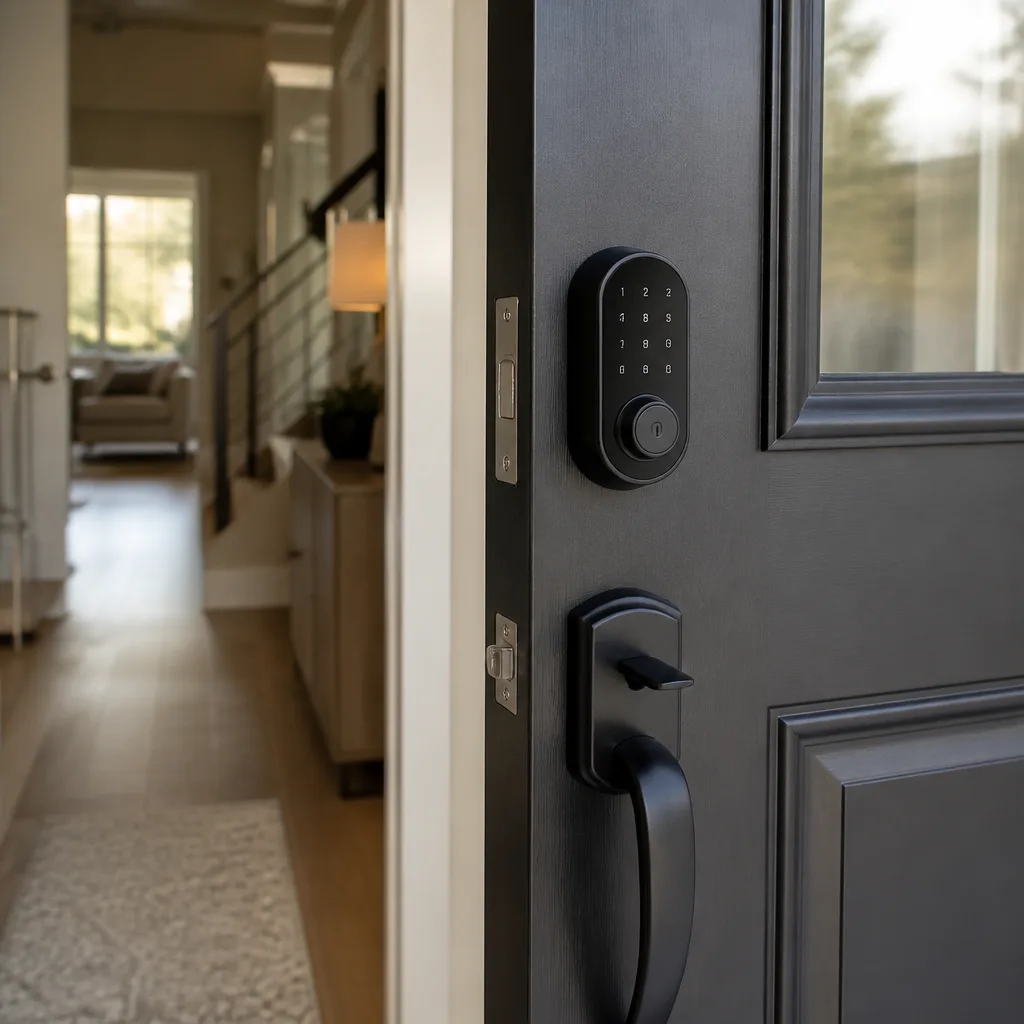 Smart locks
 House lockouts
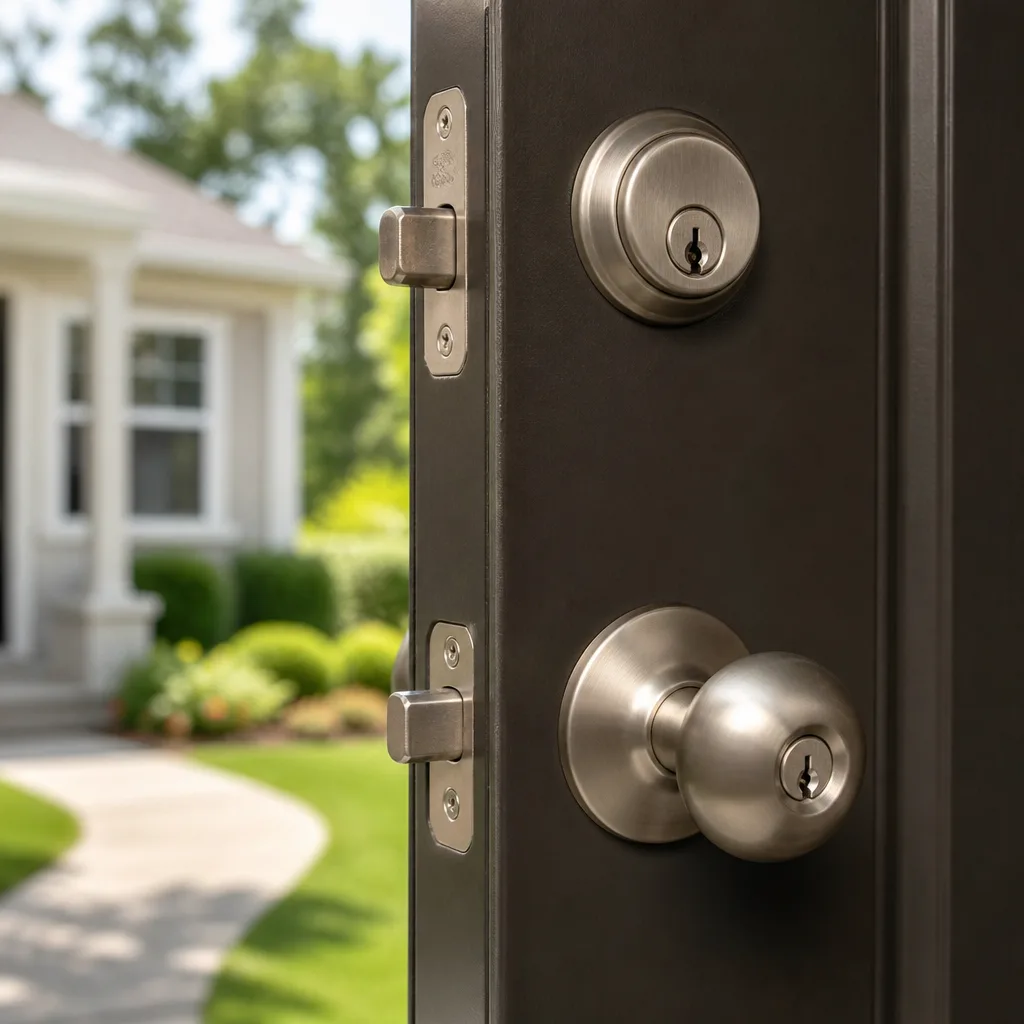 Re-keying
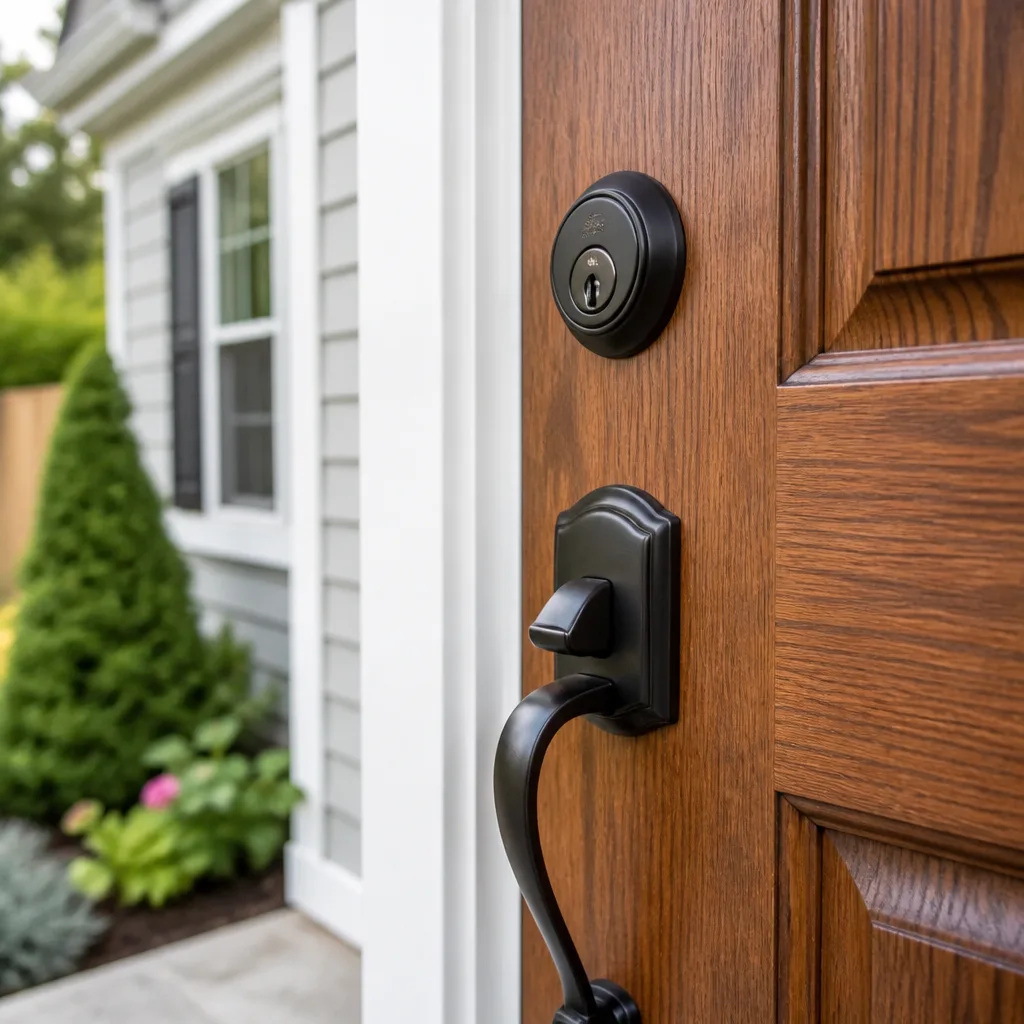 Deadbolt upgrades
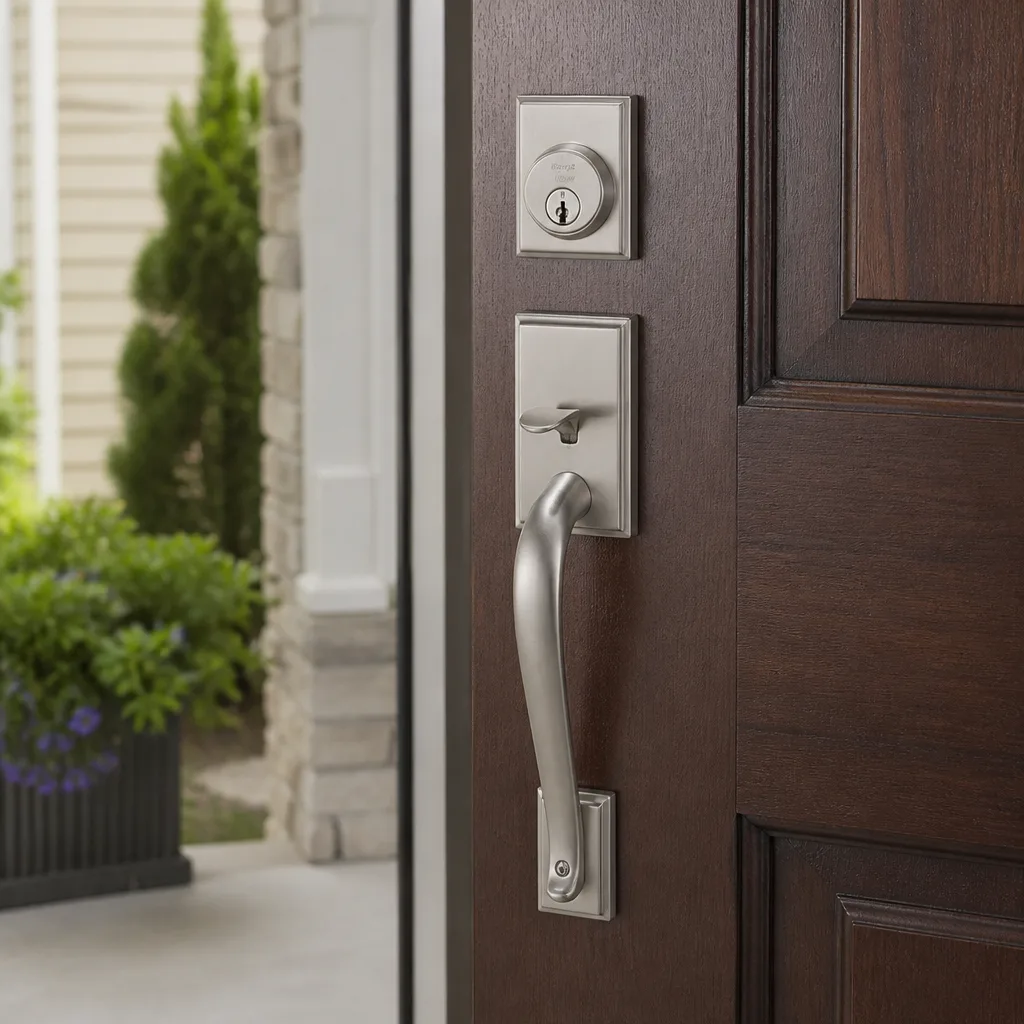 Schlage
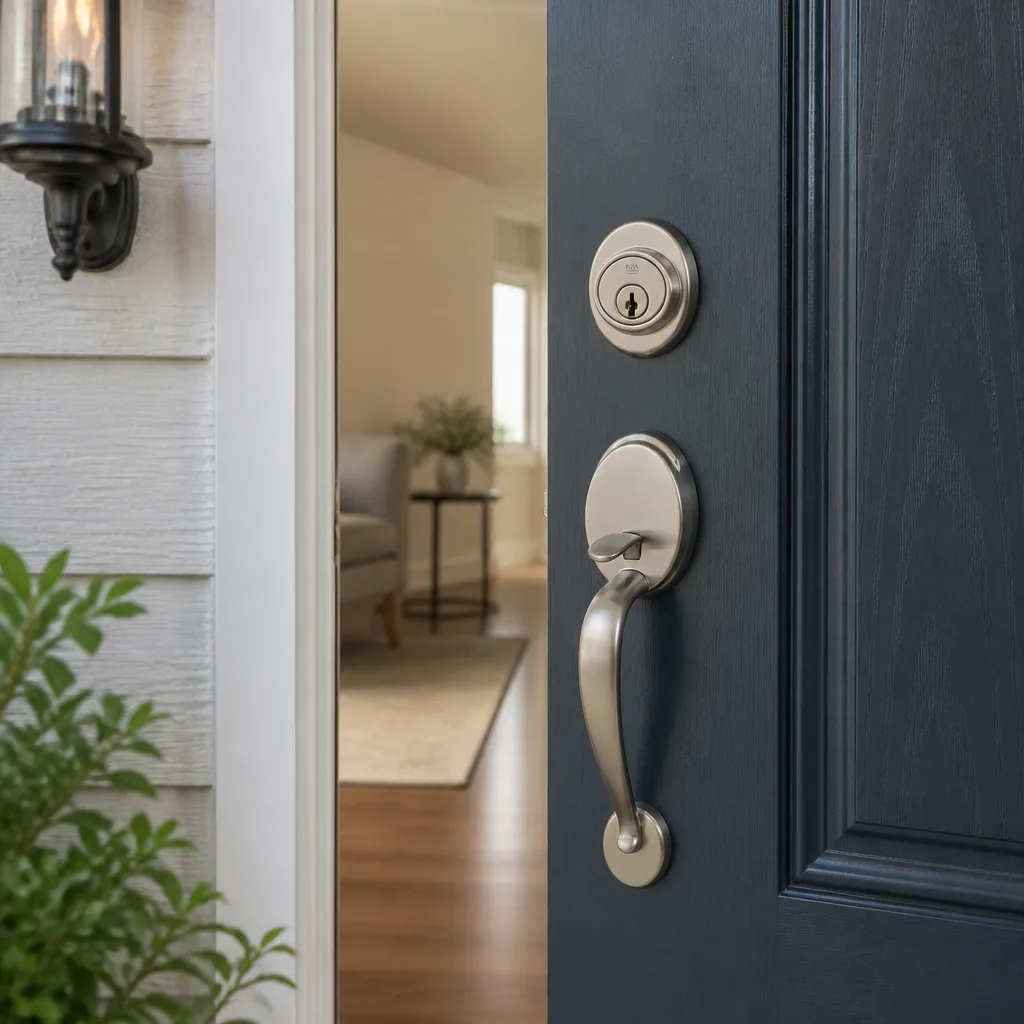 Kwikset
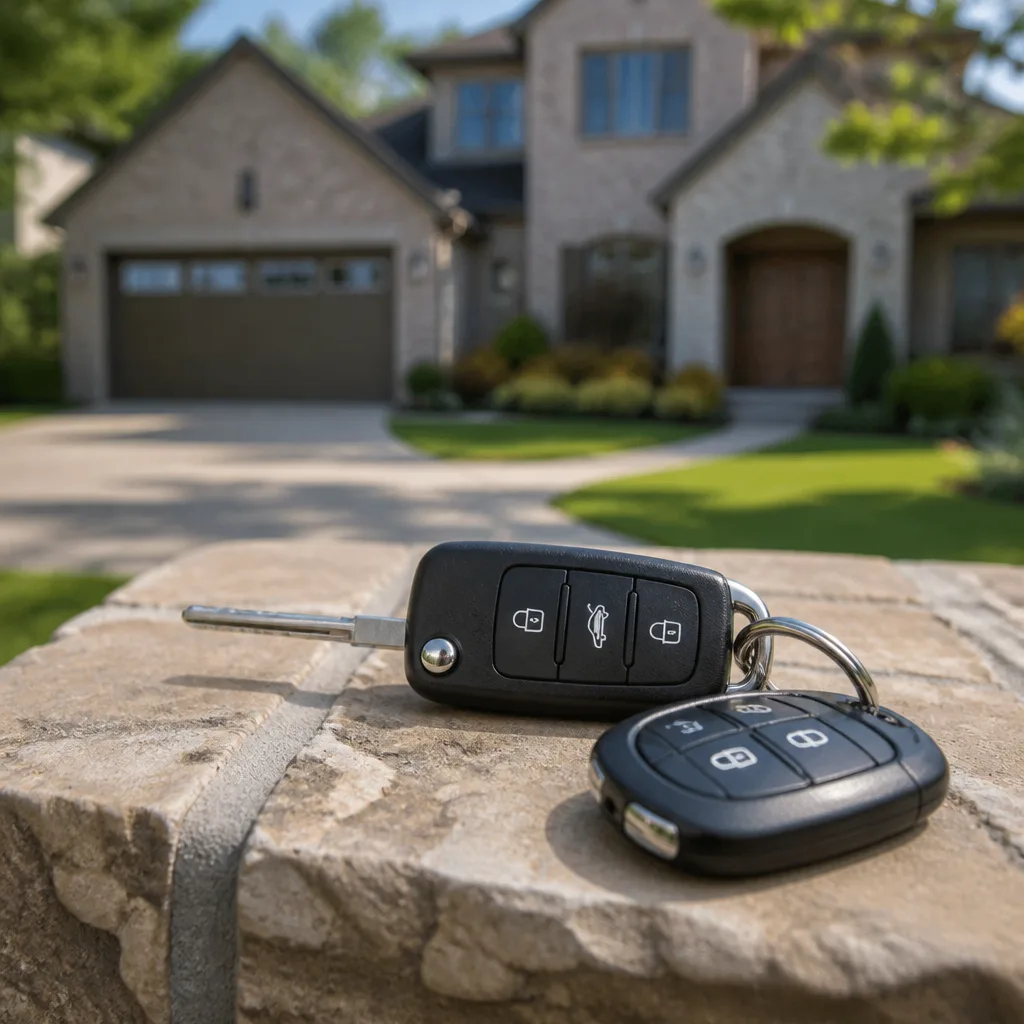 Car keys & fobs
Non-destructive entry first, always - and we re-key Schlage, Kwikset, and Baldwin locks on the spot while you watch
You get a price before we start. It does not change when we arrive. No surprises.
Get your free estimateLocksmith Emergency Preparedness Guide for Grand Rapids Homes
Here’s a statistic most Grand Rapids homeowners never hear: the majority of residential lockouts in Kent County happen between 10 PM and 2 AM. Not during business hours. Not on sunny Saturday afternoons. Late night, often in February when the wind off the Grand River cuts through everything, or during a November sleet storm. And here’s the uncomfortable part: at 11 PM on a weeknight, you are not equipped to make a good decision. You’re cold, tired, possibly standing in a driveway with groceries melting or a child waiting in a car. Verification, price comparison, credential checking: all of it goes out the window when you just want back inside. This guide is built for Grand Rapids specifically, because our weather, our housing stock, and our neighborhood layout create emergency patterns that generic advice misses. We’ve seen these scenarios play out hundreds of times, and we’re going to walk you through exactly what to do before, during, and after a lock emergency.
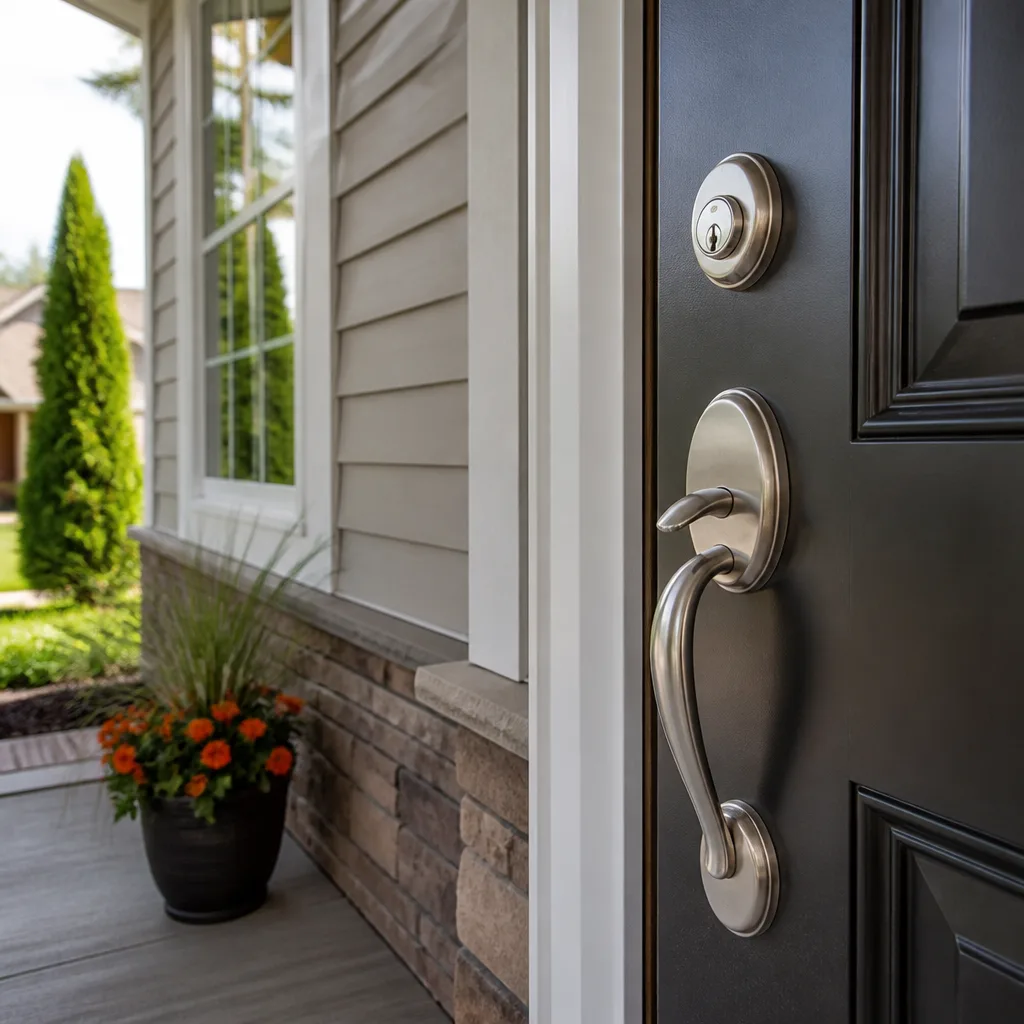
Styles & brands we work with
Quick Answer
Locksmith emergency preparedness for Grand Rapids homes comes down to three decisions made before anything goes wrong: saving a vetted locksmith’s number in your phone, keeping a documented inventory of every lock and key in your home, and building a spare key protocol that actually works when you need it. Homeowners who make these three preparations resolve lockouts faster, pay less, and avoid the secondary problems (rushed decisions, unvetted technicians, unnecessary lock replacements) that turn a $100 lockout into a $600 ordeal.
Table of Contents
- The Three Pre-Emergency Decisions That Determine Everything
- How to Build a Household Lock Emergency Reference Document
- After-Hours Response and Pricing in Grand Rapids: What 2 AM Actually Looks Like
- The First 15 Minutes After a Break-In: Lock-Related Steps
- How to Vet a Locksmith in Under 3 Minutes During an Emergency
- Building a Spare Key Protocol That Survives Real Life
- Grand Rapids Housing Stock and What It Means for Lock Emergencies
- Common Mistakes to Avoid
- When to Call a Professional
- Frequently Asked Questions
- The Bottom Line
The Three Pre-Emergency Decisions That Determine Everything
When a lock emergency hits a Grand Rapids home, the outcome is rarely determined in that moment. It’s determined by what happened days, weeks, or months earlier. We see this pattern constantly in our work across the city. The homeowners who navigate an emergency calmly share three common decisions. The ones who end up paying double, waiting longer, or compromising their security skipped one or more of them.
Decision One: A Vetted Locksmith Contact, Saved Before You Need It
This is the single highest-leverage action in this entire guide. Right now, sitting in your phone, you probably have a contact for a plumber, maybe an electrician, possibly a mechanic. Most Grand Rapids homeowners do not have a locksmith saved. That means when an emergency happens, you’re doing research under pressure: reading reviews through a fog of frustration, trying to spot red flags in a Google Maps listing while your battery drains and the temperature drops.
The fix is simple. Take ten minutes during daylight hours to identify a locksmith you trust. Verify their credentials. Save the number in your phone under something you’ll remember: “Locksmith – Grand Rapids” or “Lock Emergency.” Tell your spouse or partner you’ve done it. Text the number to them. This one act eliminates the majority of bad emergency decisions before they can happen.
Decision Two: A Documented Key Inventory
Most households cannot answer a basic question: how many working keys exist for your front door, and who has them? Not knowing this creates real risk. A former tenant, a contractor from a renovation, a house cleaner who was given a key years ago: every unaccounted key is a potential security gap. And in an emergency, not knowing what locks you actually have means you can’t describe your situation accurately to a locksmith, which costs time.
A key inventory does not need to be complex. A note on your phone or a page in a home binder works. List each exterior door, the brand of the lock if you know it, the number of keys in your possession, and any known keys held by others. Update it when you move, rekey, or lend a key. This is preparation that costs nothing and pays off in both security and emergency speed.
Decision Three: A Spare Key Protocol That Actually Functions
Everyone has a spare key story. The spare that was supposed to be under the rock, but the rock got moved. The spare with a neighbor who’s now on vacation. The spare that technically exists somewhere in a junk drawer but has never been tested in the lock it’s supposed to open. A spare key that does not work when you need it is not a spare key, it’s a false sense of security.
A functional spare key protocol answers three questions: where is the spare, who knows where it is, and has it been tested in the actual lock recently? We’ll get into the specifics in a later section, but for now, understand this: the decision to build a working spare system is made before the emergency happens, and it’s the difference between a five-minute resolution and a two-hour ordeal in a Grand Rapids winter.
How to Build a Household Lock Emergency Reference Document
A lock emergency reference document is exactly what it sounds like: a single place where all the information a locksmith would need is already written down. Having this ready cuts service time, reduces the chance of miscommunication, and in some cases saves you money, because the technician spends less time diagnosing and more time solving.
What goes in the document:
- Door hardware brands for every exterior door. If your front door has a Baldwin handle set and your back door has a Kwikset deadbolt, write that down. Brand matters: a technician who knows they’re servicing a Kwikset versus a Baldwin arrives with different expectations and, often, different tools.
- Key codes if you have them. Some locks, especially newer Schlage and Kwikset models, include a key code on the original packaging or on a small sticker inside the lock. If you know yours, record it. This can allow a locksmith to cut a key by code rather than by impressioning or disassembly.
- Lock type notes. Deadbolt or knob lock? Smart lock or traditional? One-cylinder or double-cylinder? These details shape the job.
- Building entry requirements. If you live in a condo, apartment, or gated community in Grand Rapids, note any access procedures: codes, fob requirements, property management contact. A locksmith who arrives without this information wastes time getting to the actual lock.
- Any previous lock work. Have you had a lock replaced? Rekeyed? Was there a warranty? If your home had a Rekey Locks in Grand Rapids service done after your move-in, that is worth noting.
- Emergency contacts. A neighbor, a family member, your landlord if you rent. Someone who can verify your residency if asked.
Where to keep it: a shared note in your phone (something both partners can access), a printed copy in a home file, or a digital document saved to the cloud. The key is that it’s findable when you’re locked out, which means accessible from outside your home. A document locked inside the house defeats the purpose.
After-Hours Response and Pricing in Grand Rapids: What 2 AM Actually Looks Like
Let’s talk about the thing nobody explains clearly: what an after-hours locksmith call actually costs in Grand Rapids, and why. Understanding this before an emergency strips away the anxiety that leads to bad decisions. When you know what’s normal, you can spot what isn’t.
In the Grand Rapids market, a standard daytime residential lockout (simple lock, no damage, homeowner present) generally runs between $75 and $150. That covers the service call and the labor to open the door using non-destructive methods. After hours, meaning evenings, weekends, and overnight, that same service typically runs between $150 and $300. The increase reflects the technician’s time away from home, the urgency of dispatch, and the operational cost of running 24-hour response. These are honest ranges, not teaser rates. Any company advertising a $19 lockout is not quoting you the real price.
What about more complex scenarios? If the lock requires drilling rather than picking (common with high-security hardware or certain smart locks), that adds hardware replacement cost. If you’re dealing with a car lockout rather than a home lockout, pricing shifts again. Here’s a realistic breakdown:
- Daytime home lockout: $75 – $150
- After-hours home lockout: $150 – $300
- Drilling and lock replacement: $75 – $200 in hardware, plus labor
- Rekeying a single lock: $20 – $50 per cylinder, plus service call
- Car key replacement (non-dealer): $150 – $400 depending on vehicle and key type
The most important thing to know: a legitimate locksmith will quote you the full price on the phone, before anyone is dispatched, and that is the price on the invoice. No surprise surcharges added on arrival. No “that quote was just for the trip” games. If a dispatcher won’t give you a firm quote over the phone, or gives you a range so wide it’s meaningless, that’s a red flag regardless of what time it is. And here’s a Grand Rapids-specific reality: response times vary dramatically by season. A January ice storm on US-131 slows everyone down. A July weeknight in Eastown is usually quick. Good locksmiths communicate this honestly.
The First 15 Minutes After a Break-In: Lock-Related Steps
A break-in is a different category of emergency. It is not just an inconvenience. It is a violation, and the decisions you make in the first minutes have real consequences for your safety, your insurance claim, and your future security. Here is what to do, in order, focused specifically on the lock-related steps.
- Do not enter the home until you’re reasonably confident it’s empty. This is not paranoia. If you return to find a door forced open or a window broken, the person responsible may still be inside. Back away from the house, call 911 from your car or a neighbor’s home, and wait for police to clear the property.
- Do not touch the door, the lock, or the surrounding hardware. Physical evidence lives on these surfaces. Tool marks on a deadbolt, scratches around the strike plate, fingerprints on the handle: all of this can help law enforcement and your insurance company. Even unlocking the door with your key can disturb evidence. Wait for the police to document everything.
- Photograph everything before anything is cleaned or repaired. Once police have cleared the scene and given you the go-ahead, use your phone camera. Document the damaged lock, the door frame, any marks on the door itself. These photos support your insurance claim and help a locksmith understand what was attacked and how.
- Call your insurance company early. Your policy may cover lock replacement and rekeying after a break-in. Know what’s covered before you authorize work. Some policies require specific documentation or approved vendors.
- Then, and only then, call a locksmith. The locksmith call is a security response and a repair response in one. You need the damaged hardware assessed, replaced or repaired, and every exterior lock rekeyed. If the intruder may have taken keys, rekeying is not optional. It is the only way to know who has access to your home.
In our experience with Grand Rapids break-ins, there is a pattern we see too often: homeowners call a handyman or attempt a quick fix on the damaged lock because it’s faster or feels cheaper. Then they live with a door that doesn’t close properly, or a deadbolt that was never rekeyed, for months. The security assessment should happen at the same time as the repair, not weeks later.
How to Vet a Locksmith in Under 3 Minutes During an Emergency
You’re in an emergency. You need a locksmith now. You have three minutes to separate a qualified professional from a dispatch service that will send an under-vetted contractor with a drill. Here’s the framework we recommend, designed specifically for high-pressure situations.
There are exactly two verifiable facts that matter when you’re under time pressure:
- Does the company have a real, verifiable local presence? Not a Google Maps pin that routes to a call center. Not a website with no address. A real business with a real footprint. In Grand Rapids, that means a physical location or a documented service area, a local phone number (not necessarily the only number, but a local presence), and a history you can verify. In practice: look them up on the Michigan LARA website (Department of Licensing and Regulatory Affairs) or ask directly if they’re licensed in Michigan. If they deflect, move on.
- Will they give you a firm, total price over the phone before dispatch? This is the single fastest filter. A legitimate locksmith will ask questions about your situation (what kind of lock, what kind of door, residential or commercial) and then give you a number. A shady operator will avoid specifics, give you a vague “it depends,” or quote a suspiciously low price designed to get a truck rolling. If you can’t get a firm number, end the call.
Everything else, reviews, brand mentions, website quality, is secondary. Under pressure, focus on those two. A company that passes both filters is very likely legitimate. A company that fails either one is a risk, no matter how many five-star reviews their listing shows.
Building a Spare Key Protocol That Survives Real Life
Let’s return to the spare key question, because it’s the most common failure point in Grand Rapids homes, and it’s also the easiest to fix with a little thought. The goal is not to have a spare key. The goal is to have a spare key that works when you need it, that is accessible when you’re locked out, and that does not compromise your security.
First, rule out the obvious failures. The rock by the back door, the fake sprinkler head, the key under the mat: burglars know all of these. A 2024 survey of convicted burglars (cited by several home security publications) found that the “hidden key” is the first thing many look for. If you’re using one of these, stop.
Second, consider what actually works for Grand Rapids living. Options ranked from simplest to most secure:
- Trusted neighbor or nearby family member. The classic solution, and still one of the best, provided the person is actually home when you need them. Test this: call them on a Tuesday at 9 PM and see if they answer. If they travel often or work odd hours, this fails.
- Lockbox with a combination. A portable lockbox (the kind realtors use) attached to a secure fixture. Not the front doorknob, which signals “key inside.” A fence post, a bike rack, a utility pipe: something discreet and bolted down. Change the combination after each use.
- Smart lock with codes. If you’re upgrading hardware anyway, a keypad deadbolt (available from brands like Schlage, Kwikset, and Yale) eliminates the physical key problem for lockouts entirely. You can issue temporary codes to contractors or guests and delete them afterward. The trade-off: battery management and the need to keep a physical key as backup for power failures.
- Key with a friend who lives in a different neighborhood. Sounds odd, but here’s the logic: if you’re locked out because of a fire in your building or a storm that knocked out power, a neighbor down the street may be dealing with the same problem. A friend in a different part of the city is more likely to be unaffected.
Here’s the non-negotiable part, and it’s where most spare key systems fail: test the key at least twice a year. Take the spare, walk to the door, and open it. Locks accumulate wear, keys get bent or copied badly, and a key that worked when you made it may not work now. Our dispatchers hear this constantly: “I had a spare, but it doesn’t turn.” A tested spare is real insurance. An untested one is a placeholder.
Grand Rapids Housing Stock and What It Means for Lock Emergencies
Grand Rapids is not a new city. Homes in Heritage Hill, Eastown, Midtown, and the West Side often date from the 1910s through the 1940s. That means original hardware, or hardware that has been partially replaced over decades. Here’s what that means for lock emergencies specifically.
Older homes frequently have locks that are no longer manufactured, or that have been retrofitted with mismatched hardware. A door might have a modern Kwikset deadbolt above an original mortise lock from 1923. This creates two practical problems. First, the lock geometry is often non-standard, which means a locksmith needs to be comfortable with older hardware styles, not just modern residential locks. Second, the wear on these locks is significant. Brass components from the 1940s have been turning for 80 years. They bind, they fail, and they respond differently to picking tools than new hardware.
Newer construction in Grand Rapids, condos downtown, townhouses in the suburbs, houses in the 2000s-and-later developments, tends toward modern hardware: Kwikset SmartKey systems, Schlage deadbolts, increasingly smart locks. These have their own emergency patterns. Smart locks fail when batteries die (often at the worst possible time). SmartKey locks can be rekeyed in seconds but have specific vulnerabilities that a knowledgeable technician understands.
One more local factor: West Michigan winters. Cold weather causes metal to contract. Locks that work smoothly in July can become stiff or impossible in February. Deadbolt alignment shifts as wooden doors expand and contract with humidity and temperature. If your lock has ever been “sticky” in the winter, that’s not your imagination. It is physics, and it means you should test all exterior locks in November, before the deep freeze, and again in April, after the thaw. A lock that fails in January is a lock that was showing warning signs in December.
Common Mistakes to Avoid
- Calling the first number in a paid Google ad without verification. Dispatch services buy ad space to appear first. That does not make them local or qualified. Run the two-minute vet before you commit.
- Accepting a vague price estimate. “It depends” is not a quote. If the dispatcher will not give you a firm number, you are not talking to a professional operation.
- Using a credit card or debit card to pay a technician you did not vet. In an emergency, you are vulnerable. Know who you’re paying before you hand over the card. A legitimate locksmith has nothing to hide.
- Drilling out a lock before exhausting non-destructive options. Drilling is sometimes necessary, but a skilled technician can open most residential locks without destroying them. A technician whose first move is the drill may be under-trained or padding the bill with hardware replacement.
- Ignoring rekeying after a lost key or break-in. A lost key in the hands of someone who knows your address is not a theoretical risk in Grand Rapids. It is a real one. Rekeying is cheaper than the alternative.
- Assuming your spare key works without testing. Covered earlier. Repeating it because it’s the most common failure we see.
- Waiting until after an emergency to save a locksmith’s number. The entire premise of this guide. Do it now.
When to Call a Professional
Some lock situations are genuinely DIY-friendly. Replacing a door knob, lubricating a sticky lock, tightening a loose faceplate: these are within reach of a reasonably handy homeowner. Others are not, and knowing the line matters. Call a professional locksmith when: the lock is a high-security system (Medeco, Abloy, Mul-T-Lock) with restricted keyways that require specialized equipment; the door is damaged at the frame or the strike plate, not just at the lock; you’ve experienced a break-in and need a security assessment, not just a repair; you need a key made for a vehicle with a transponder or proximity chip; or the lock has failed entirely and you need access immediately. In these scenarios, a trained technician saves you time and money, and protects against the kind of additional damage that turns a small problem into a large one. Emergency Locksmith in Grand Rapids service from Reliance Lock & Key includes free estimates by phone, call (855) 341-7491 for an honest assessment before any dispatch.
Frequently Asked Questions
A standard daytime residential lockout in Grand Rapids typically costs between $75 and $150. After-hours service (evenings, weekends, overnight) runs between $150 and $300. Complex jobs, such as drilling a high-security lock or replacing damaged hardware, add $75 to $200 or more in hardware costs. Any legitimate locksmith will give you a firm total price on the phone before dispatch. Call (855) 341-7491 for an exact quote, estimates are free.
With a legitimate locksmith, yes. The price you agree to on the phone should be the price on the invoice. No arrival surcharges, no “the job was more complex than expected” adjustments without your prior approval. If a company will not commit to a firm price before dispatch, that is a signal to call someone else in Grand Rapids.
Response times for emergency locksmith service in Grand Rapids vary by time of day, neighborhood, and weather conditions. Most companies aim for 30 to 60 minutes during normal conditions. A January ice storm or a major event downtown can extend that. A good locksmith will give you an honest ETA and update you if it changes. The key is to have a locksmith contact saved before the emergency so you are not shopping under pressure.
Michigan does not currently require a state license for locksmiths, which makes verification more important, not less. Look for a verifiable local business presence (a real address or documented service area in Grand Rapids), a willingness to provide a firm price quote, and evidence of actual trade expertise. You can also search the Michigan LARA database and check for complaints with the Better Business Bureau serving West Michigan. Ask the dispatcher directly how long they have served the Grand Rapids area; a legitimate operation answers without hesitation.
No, and here is where Grand Rapids homeowners often get misled. Most locksmiths can handle standard residential hardware: Kwikset, Schlage, common deadbolts, basic knob locks. But restricted high-security systems, specifically Medeco, Abloy, and Mul-T-Lock, require specialized training and equipment. These are patented keyways, which means keys cannot be duplicated at a hardware store and the locks are engineered to resist picking. Some shops cannot service them at all. Reliance Lock & Key carries the full brand range, from Kwikset to Medeco, and can service high-security locks other locksmiths cannot. That distinction matters when you’re choosing who to call.
Rekey, not replace. Rekeying changes the internal pins so the old keys no longer work, while keeping the existing hardware. It costs a fraction of full lock replacement and takes minutes per lock. After a move-in, a rental turnover, or a lost key, rekeying every exterior lock is the smart security move. If the hardware itself is worn, damaged, or you want an upgrade (a smart lock, a high-security deadbolt), replacement makes sense. See Rekey Locks in Grand Rapids for more detail.
Stay with the vehicle if it’s in a safe location. If a child or pet is inside, call 911 immediately. Otherwise, call a locksmith that offers automotive service. Car lockouts are different from home lockouts in two ways: the tools are different (long-reach tools, air wedges, specialized picks) and the vehicle’s locking mechanism can be damaged by untrained attempts. Car Key Replacement in Grand Rapids from Reliance Lock & Key covers lockouts and full key replacement, often significantly faster and less expensive than dealership programming.
The Bottom Line
A locksmith emergency in Grand Rapids is a stress test of decisions you already made. If you’ve saved a vetted contact, documented your locks and keys, and built a spare key protocol that you actually test, a lockout is a 30-minute inconvenience. If you haven’t, it’s a 2 AM scramble with real cost and security consequences. The time to prepare is now, in daylight, when you can think clearly. Save this guide. Build your reference document. Test your spare key. Save (855) 341-7491 in your phone. When the emergency comes, and it will, you’ll handle it the way a prepared homeowner does: with a phone call, not a panic. Reliance Lock & Key home.
Written by the team at Reliance Lock & Key, serving Grand Rapids since 2016. For more guides & resources, visit our blog.