Last updated October 31, 2026
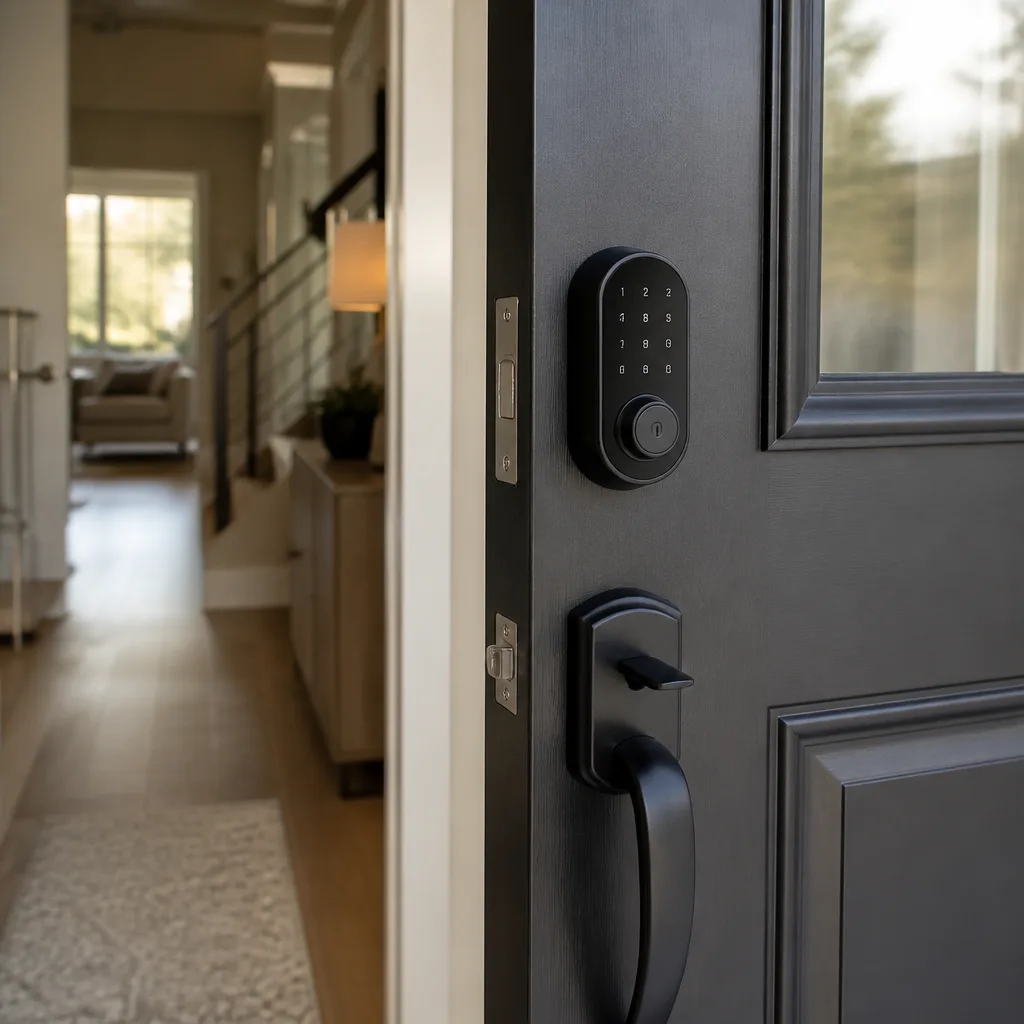 Smart locks
 House lockouts
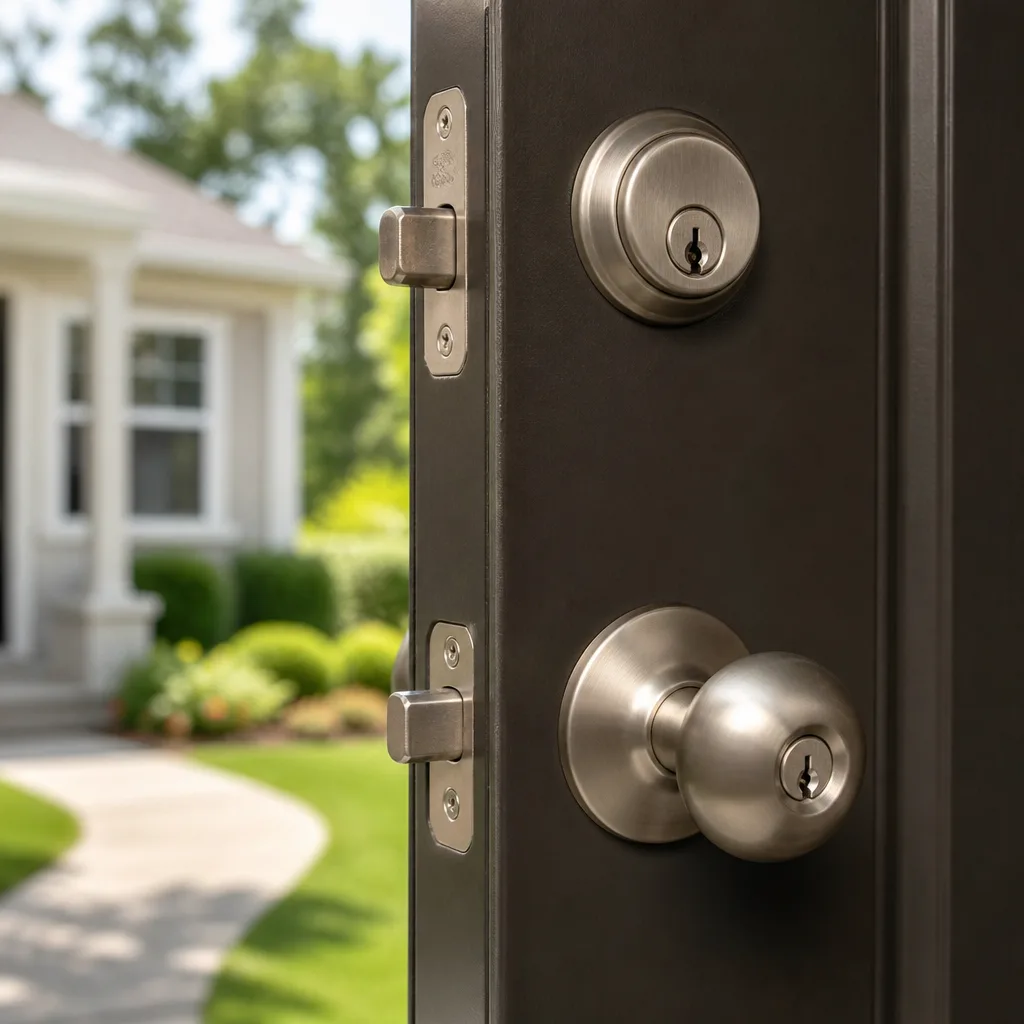 Re-keying
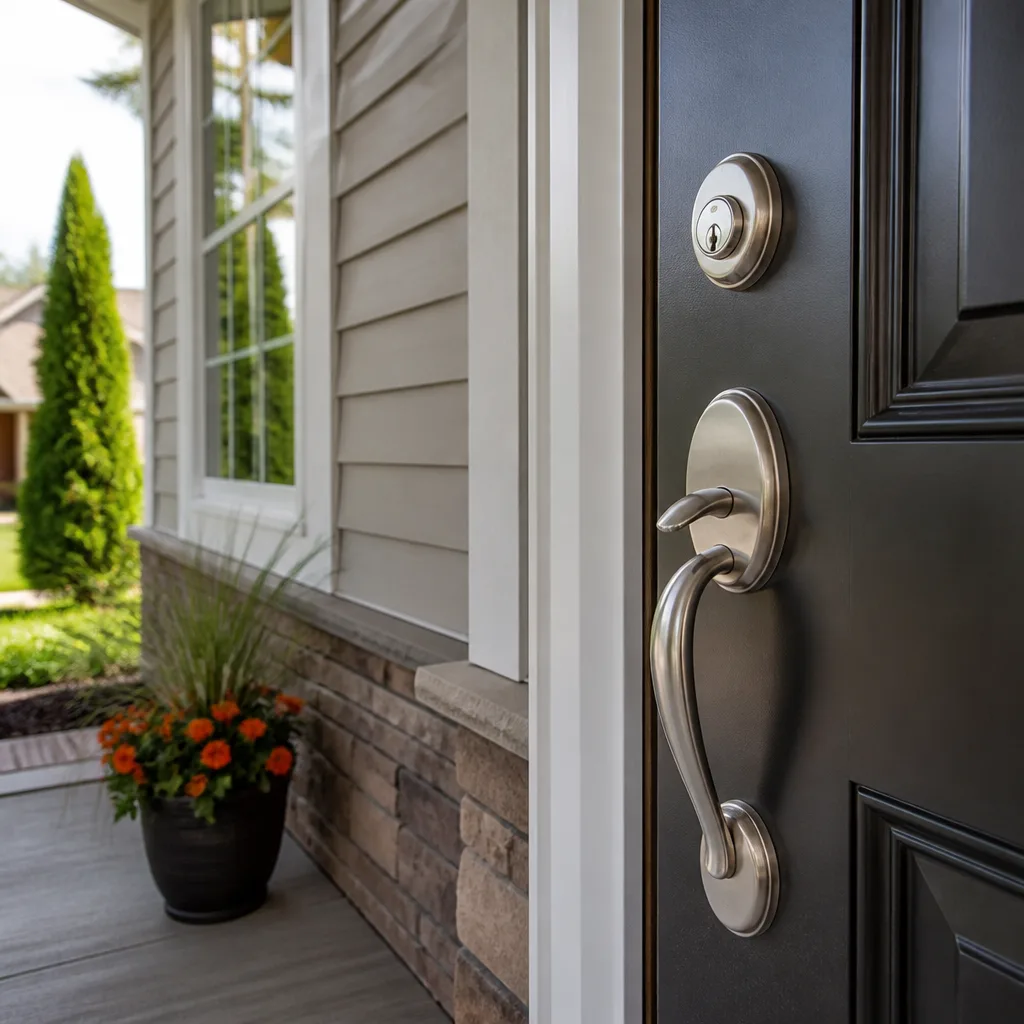
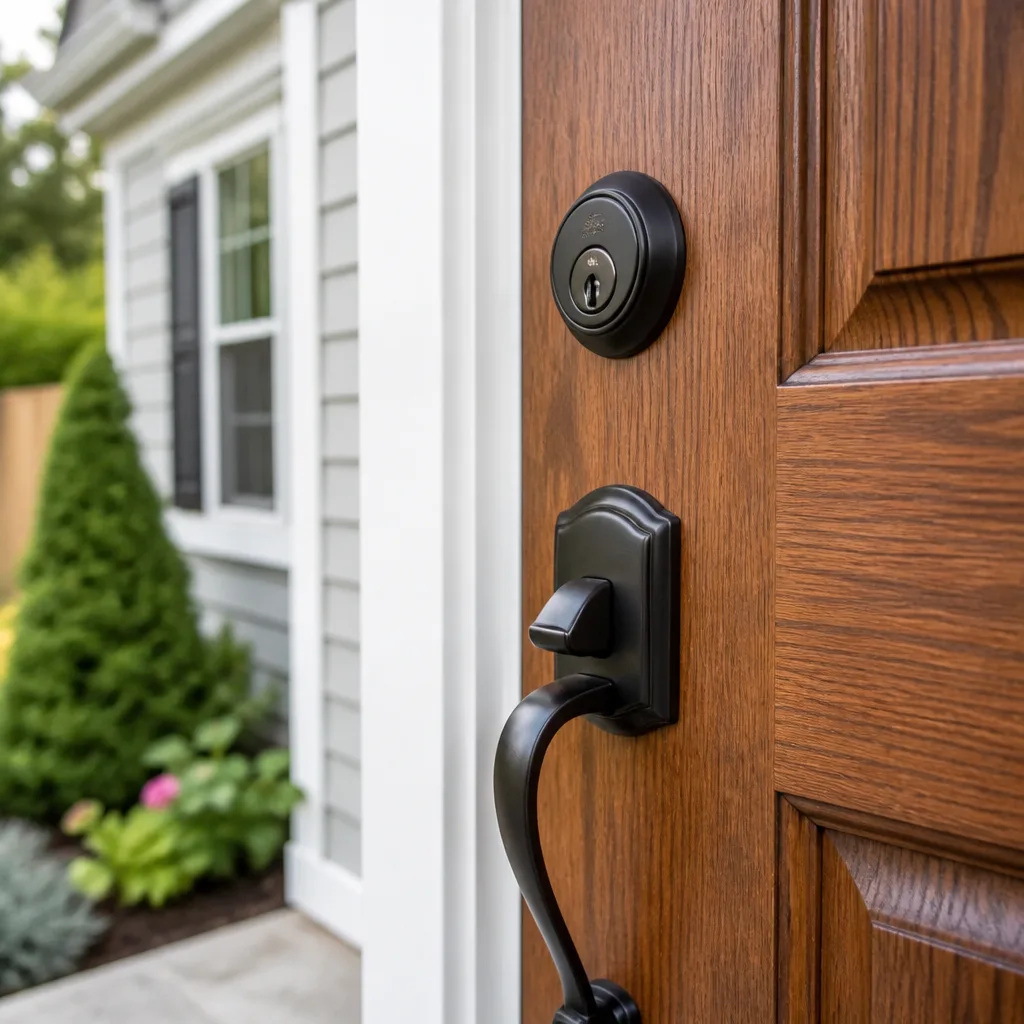 Deadbolt upgrades
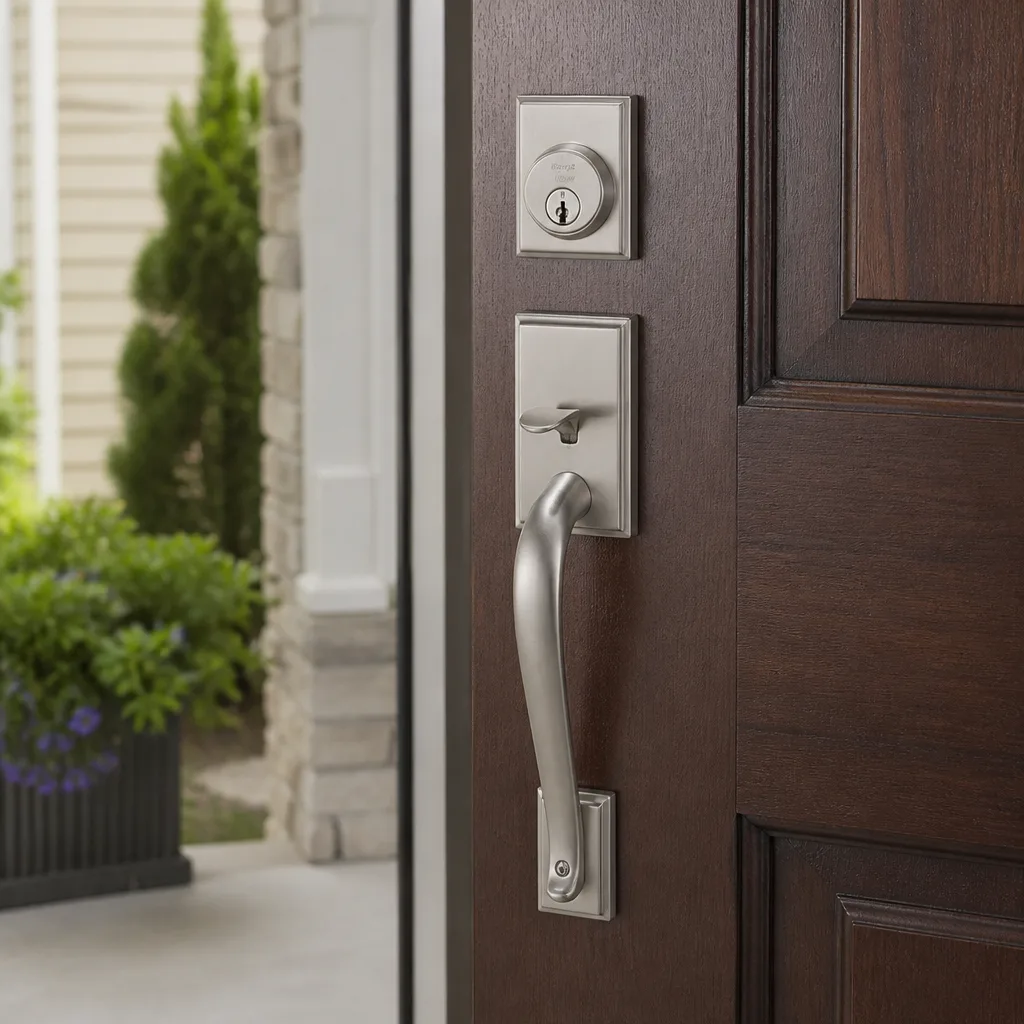 Schlage
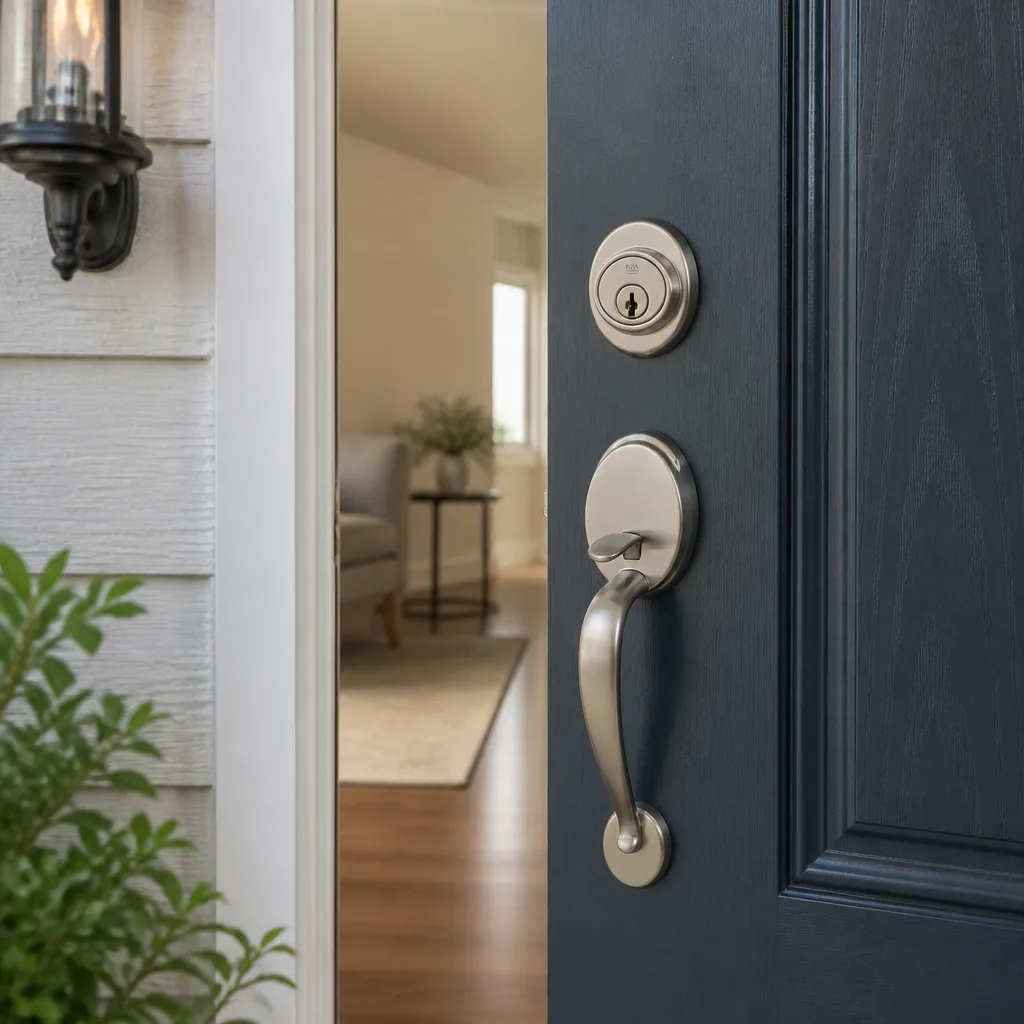 Kwikset
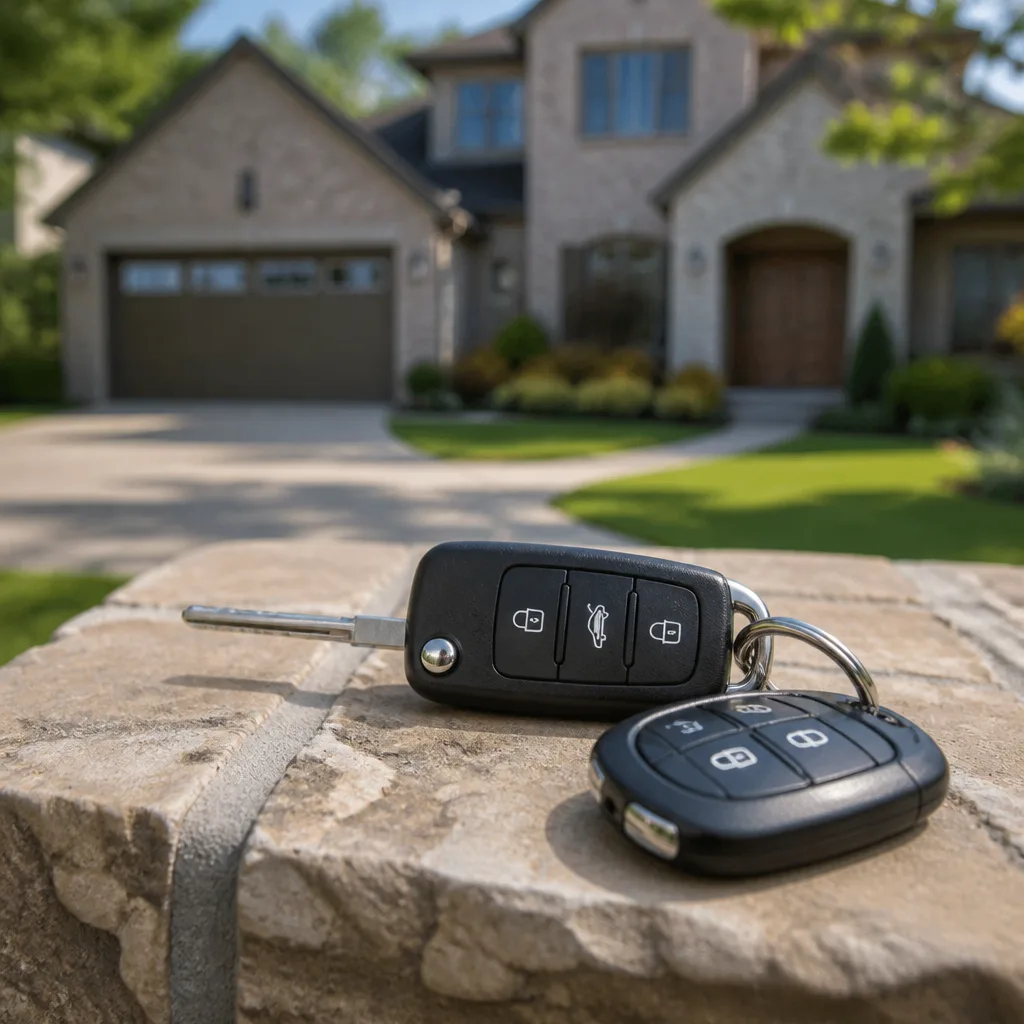 Car keys & fobs
Non-destructive entry first, always - and we re-key Schlage, Kwikset, and Baldwin locks on the spot while you watch
You get a price before we start. It does not change when we arrive. No surprises.
Get your free estimateDIY vs Professional Locksmith: The Grand Rapids Homeowner’s Decision Guide
A deadbolt rated to withstand 100,000 cycles can be defeated in under ten seconds if the strike plate is screwed into door casing instead of the structural frame. We see this in Grand Rapids homes every month: a homeowner installs a Grade 1 deadbolt, feels the satisfying thunk of the bolt sliding home, and never realizes the entire assembly is anchored in soft pine trim. This guide will walk you through which lock tasks a mechanically capable homeowner can handle correctly, and which ones carry an invisible margin of error that turns a Saturday project into a security vulnerability. For related reading, see our Locksmith Emergency Preparedness Guide for Grand Rapids Homes. You’ll learn what professionals test for that DIY videos skip, what Grand Rapids housing stock specifically complicates, and what honest pricing looks like when you compare the two paths.
Quick Answer
DIY lock work is appropriate for interior privacy locks, basic knob replacement on pre-drilled doors, and cosmetic hardware updates. Professional installation is the correct call for exterior deadbolts, any lock on a door with non-standard prep, rekeying, and all high-security hardware, because these tasks affect the structural integrity of your home’s security system. A DIY mistake on an exterior lock doesn’t just cause inconvenience; it leaves a vulnerability that looks perfectly fine from the outside, and the repair cost after a failed DIY job typically exceeds professional installation from the start.
Styles & brands we work with
Table of Contents
- The Real Question: Skill vs. Security Integrity
- A Task-by-Task Framework: What a Homeowner Can Actually Handle
- Why Rekeying Looks Simple on YouTube and Where It Quietly Goes Wrong
- The Grand Rapids Housing Factor: Old Frames, Non-Standard Doors, and What They Mean
- What High-Security Hardware Actually Requires Beyond the Lock Itself
- The Honest Cost Comparison: DIY vs. Professional in Grand Rapids
- Common Mistakes to Avoid
- When to Call a Professional
- Frequently Asked Questions
The Real Question: Skill vs. Security Integrity
Most DIY-versus-professional debates focus on whether someone has the mechanical skill to turn a screwdriver correctly. That’s the wrong question. The right question is whether the task affects security integrity, meaning whether an incorrect installation creates a weakness that isn’t visible to the person standing in front of the door. A homeowner can install a towel bar crooked and fix it later with no consequences. A homeowner can install a deadbolt incorrectly and never know it failed until someone kicks the door in.
The distinction matters because locks don’t fail loudly. They fail silently, on the day someone tests them. We’ve replaced locks in Grand Rapids homes where the deadbolt throw was a quarter-inch short of the strike pocket, meaning the bolt never fully engaged. The homeowner had been locking that door every night for two years. The lock worked in the sense that the key turned and the latch made noise. It didn’t work in the sense of actually securing the door. That’s the gap between a functioning lock and a secure lock, and it’s the gap that professional installation exists to close.
Here is how we think about it. Mechanical tasks are DIY-appropriate when the consequence of error is cosmetic or easily detected. Security tasks are professional-appropriate when the consequence of error is invisible until the moment it matters most. The rest of this guide applies that principle to specific lock jobs.
A Task-by-Task Framework: What a Homeowner Can Actually Handle
Let’s be precise about which lock tasks fall on which side of the line. This is not a list designed to scare you into calling a locksmith for everything. There are genuinely DIY-appropriate tasks that a capable homeowner can do correctly with basic tools and patience.
Tasks a Capable Homeowner Can Handle
- Interior privacy locks: Bedroom and bathroom door knobs, closet hardware, and passage sets. These are not security hardware. They provide privacy, not protection, and a misaligned latch here is an annoyance, not a vulnerability. Any homeowner who can follow instructions can replace these.
- Cosmetic hardware updates on pre-drilled doors: If the door already has standard 2-1/8-inch cross bore holes and a 1-inch edge bore, swapping a Kwikset knob for a Schlage knob is straightforward. The prep work is done. You’re replacing components, not creating the geometry.
- Strike plate screw upgrades: Taking out the short screws in your strike plate and replacing them with 3-inch screws that reach the stud is a legitimate DIY security improvement. This is one of the highest-value things a homeowner can do themselves, and it requires nothing more than a drill and the right screws.
- Smart lock battery and simple part replacement: Most modern electronic locks are designed for user-serviceable battery swaps and basic part replacement. If the manual covers it, go ahead.
Tasks That Require Professional Installation
- Exterior deadbolts on any door: This is where the strike plate depth, frame condition, and bore geometry all have to be correct simultaneously. The margin for invisible error is measured in millimeters.
- Rekeying any lock: Explained in detail below, but the short version is that pin stack tolerances and spring seating are not visible to the naked eye, and a rekey that works today can gum up a lock tomorrow.
- High-security hardware: Medeco, Abloy, and Mul-T-Lock cylinders have different pin geometries, sidebar mechanisms, and installation requirements than standard locks. Installing the hardware correctly is a specialized skill.
- Any lock on a door with non-standard prep: Grand Rapids has thousands of doors that were bored for old mortise locks or odd hardware patterns. Making a modern lock fit these doors correctly requires adjustment beyond a YouTube tutorial.
- Automotive keys and fobs: Transponder programming, key cutting by code, and fob pairing require equipment and software that make dealership-free alternatives like Car Key Replacement in Grand Rapids service a practical choice for most vehicle owners.
Why Rekeying Looks Simple on YouTube and Where It Quietly Goes Wrong
Rekeying a lock cylinder is the most common “I can do that” moment in residential lock work. A YouTube video shows the process in six minutes: remove the cylinder, dump the old pins, insert new pins according to the new key, reassemble. It looks mechanical, like following an exploded diagram. What the video doesn’t show is the tolerance stack-up between the plug, the springs, and the driver pins, or the way a single mis-seated spring can make a lock intermittent, or the test protocol that separates a rekey that functions from a rekey that will function reliably for years.
Based on lock hardware we service for Grand Rapids homeowners, here’s where DIY rekeys most often go wrong:
- Spring seating: Springs in a pin stack must seat properly against both the plug and the driver pin. A spring that’s kinked or not fully seated changes the effective pin tension, which can cause the key to work now and stick later, particularly in cold weather. Michigan winters are hard on locks; a marginal rekey that gets through July may bind up in January when metal contracts.
- Pin length errors: Each cut on a key corresponds to a specific pin length. Mix up two pins that are within a few thousandths of an inch of each other, and the lock may work intermittently, nearly impossible to diagnose without taking the cylinder apart again.
- Skipping the function test protocol: Professionals test a rekeyed cylinder in multiple states: key inserted and turned, key removed, half-inserted, tensioned with the hex wrench, and inside the lock body. DIYers typically test one state: does the key turn. A lock that passes one state but not all five is a lock that will fail in the real world.
- Losing the cylinder clip or C-ring: These small parts hold the cylinder in the lock body. They fly across the room during disassembly with surprising frequency. The replacement part costs a dollar, but a homeowner who doesn’t know the part is missing assembles the lock, puts it on the door, and discovers the cylinder pulls out with the key. That’s not a lock anymore.
Rekeying is particularly relevant for Grand Rapids homeowners after a move, a roommate change, or a tenant turnover. It’s also the case where the professional argument is strongest on cost. Our Rekey Locks in Grand Rapids service exists because rekeying one lock to work with a new key costs significantly less than replacing the hardware, and it’s a job where the professional cost is modest enough that the DIY risk rarely pencils out. Rekey, don’t replace, as we say, but have the rekeying done by someone who tests more than one key turn.
The Grand Rapids Housing Factor: Old Frames, Non-Standard Doors, and What They Mean
Grand Rapids is not a new-construction city. The housing stock in neighborhoods like Heritage Hill, Eastown, and the West Side includes homes built between 1890 and 1950, with doors that were framed for hardware that predates modern standards. That matters when you’re considering DIY lock installation, and it’s a point that generic online tutorials rarely address.
A modern cylindrical deadbolt assumes a door thickness of 1-3/8 to 1-3/4 inches, a 2-1/8-inch cross bore, and a backset of 2-3/8 or 2-3/4 inches. Many older Grand Rapids doors don’t match those assumptions. We regularly encounter doors that are thicker than modern standard, bored for old mortise lock bodies, or framed with strike plates mortised so deeply into jamb wood that the modern strike sits too proud or too recessed. In some Grand Rapids neighborhoods, decades of seasonal humidity swings have shifted door frames subtly, meaning a deadbolt that aligned perfectly in the original installation no longer throws fully.
These conditions don’t necessarily make DIY installation impossible, but they make DIY installation without a frame assessment risky. A homeowner who follows a step-by-step guide for a standard door and applies it to a door that’s 2 inches thick or a frame that’s drifted 1/8 inch ends up with a lock that looks fine and performs badly. Professional installation in Grand Rapids includes measuring the door, checking the frame alignment, adjusting the strike plate depth, and confirming the bolt throws fully before the job is considered done. That’s the difference between installing a lock and installing a lock that will actually secure the opening.
There’s also the climate factor. Grand Rapids sees temperature swings from the high 90s to below zero, plus the freeze-thaw cycles that are rough on wooden doors and frames. A lock that’s installed too tight against the faceplate or a strike that’s set slightly proud will bind when the wood dimensions shift across seasons. We’ve seen doors in Grand Rapids that lock fine all summer and then refuse to latch in February, not because the lock wore out, but because the installation didn’t account for seasonal movement.
What High-Security Hardware Actually Requires Beyond the Lock Itself
High-security lock systems like Medeco, Abloy, and Mul-T-Lock are engineered with patented key control and pick-resistant cylinders. But buying the hardware doesn’t give you high security. Installing a premium lock on an unreinforced door is like putting a bank vault dial on a garden shed. The hardware is only as strong as the installation, and premium hardware often requires installation precision that’s unnecessary for consumer locks.
Consider what actually contributes to a door’s resistance to forced entry:
- Strike plate depth and hardware: The strike plate must sit correctly in the frame, and it must be anchored into the structural stud with screws that reach beyond the jamb. A Medeco deadbolt mounted with screws into door casing is no more secure than a Kwikset mounted the same way. The lock matters; the installation matters more.
- Frame reinforcement: Most forced-entry failures in Grand Rapids aren’t the deadbolt shearing; they’re the jamb splitting. A Grade 1 deadbolt puts the structural load on the frame, and older wooden frames crack under that load unless the strike is seated deep and anchored properly.
- Hinge protection: Exterior doors should have hinges with non-removable pins or security studs, particularly on doors that swing outward. This is a separate point of vulnerability that DIY lock projects rarely address.
- Cylinder installation in doors with restricted key systems: Medeco and Abloy cylinders require specific tailpiece orientations, clip positioning, and sometimes collar adjustments depending on the door thickness. These are not plug-and-play components.
This is the counterproductive DIY scenario we’re trying to steer homeowners away from: someone spends $300 on a premium deadbolt, installs it on an unreinforced frame using the included short screws, and then believes they have high security because the hardware grade is high. The right answer is professional installation that addresses the whole opening, not just the lock body. When someone asks us what the best lock is for a Grand Rapids home, the honest answer is that it’s less about the brand and more about whether the frame, strike, and hardware are installed to work as a system, which is why we carry and service hardware across the range from Kwikset to Sargent to restricted high-security systems like Abloy and Mul-T-Lock.
The Honest Cost Comparison: DIY vs. Professional in Grand Rapids
Let’s talk about what these two paths actually cost in the Grand Rapids market. For a detailed breakdown, see our Locksmith Cost Breakdown: The Grand Rapids Homeowner’s Reference for 2026. The DIY-versus-professional decision is rarely presented with real numbers, and the numbers change the picture considerably when you factor in the cost of correcting a bad installation.
Scenario: Installing a New Exterior Deadbolt on a Standard Door
| DIY Path | Cost | Professional Path | Cost |
|---|---|---|---|
| Grade 1 deadbolt (consumer brand like Kwikset or Schlage) | $45 – $80 | Same deadbolt, supplied or client-provided, plus professional installation | $85 – $140 |
| Strike plate screws, drill bits if needed | $10 – $20 | Strike plate and frame reinforcement included | Included |
| Time investment | 2 – 4 hours for a first-timer | Professional time | Under 1 hour |
| Total direct cost | $55 – $100 | Total direct cost | $85 – $140 |
The DIY path saves roughly $40 to $50 at the front end, assuming the installation goes correctly. But here’s the correction scenario we see in Grand Rapids: a homeowner installs the deadbolt, discovers the bolt doesn’t throw or the door won’t latch in January, and calls us for a service visit. That visit to diagnose and correct typically runs $75 to $120, which means the DIY path that went wrong costs more than professional installation from the start. And that’s before you account for the security vulnerability that existed during the time the door wasn’t actually locking properly.
Scenario: Rekeying Two Locks After Moving In
Rekeying is where the professional argument is strongest on pure cost. The tools to rekey a lock yourself (a plug follower, pinning kit, and replacement pins) run $40 to $65 for basic equipment, plus an hour or two per lock for a first-timer. Professional rekeying in Grand Rapids typically runs $15 to $25 per cylinder for the labor, often with a service call minimum. For a two-lock house, professional rekeying usually comes in at $65 to $95 all-in, while the DIY path costs $40 to $65 in tools plus the same investment in time, with the meaningful risk of a marginal rekey that binds up later. When rekeying is the comparison, DIY rarely wins on value.
Scenario: High-Security Lock Installation
For Medeco, Abloy, or Mul-T-Lock hardware, DIY is generally not an option. These systems are sold through professional channels, and the cylinders aren’t available at the same retail counters where you’d find a Kwikset deadbolt. When a Grand Rapids homeowner wants true high-security hardware, installation is part of the package, and that installation includes the frame assessment and reinforcement work that the hardware requires to actually deliver its rated protection.
The short version: DIY saves real money on the tasks where it’s appropriate, which are interior hardware and simple replacements on pre-drilled doors. On exterior security hardware and rekeying, the potential savings are small enough that the downside risk of a silent failure outweighs the upside. When you call a locksmith like Reliance Lock & Key home for an estimate, you’ll get a full price on the phone before anyone is dispatched, and that’s the price on the invoice, so the cost conversation is straightforward from the start.
Common Mistakes to Avoid
If you decide to handle a lock task yourself, here are the specific errors we see most frequently when we’re called in to correct DIY work in Grand Rapids homes:
- Anchoring the strike plate into casing, not the frame stud. The strike plate must be screwed through the jamb into the rough framing behind it. Short screws into soft casing trim will not hold against a shoulder or a kick, regardless of lock grade. This is the single most common correction we perform.
- Using the screws that came with the lock. Manufacturers include screws sized for standard installation, not for security. Exterior deadbolts should use 3-inch screws on the strike plate, and the faceplate screws should be checked for length as well. Those longer screws cost a few dollars and meaningfully change the door’s resistance to forced entry.
- Drilling the cross bore without checking backset measurement. Grand Rapids doors with non-standard backsets exist in older homes, and a cross bore drilled at the wrong backset means the latch won’t reach the strike, a problem you can’t fix without filling and redrilling or replacing the door.
- Misaligning the strike pocket during installation. A deadbolt that drags against the edge of the strike plate will eventually develop play, bind in cold weather, or fail to throw when the frame shifts seasonally. The strike pocket needs a few thousandths of clearance around the bolt, not a friction fit.
- Rekeying without a written pin map. Most DIY rekeys go wrong when the pins get mixed up, not when the concept is misunderstood. Write down the key cuts and pin lengths before you start, and keep them separated by chamber. A disorganized rekey attempt usually ends with a lock that doesn’t work and a cylinder that needs professional attention.
- Ignoring the door’s overall condition while focused on the lock. A new deadbolt on a door with loose hinges, a warped slab, or a split jamb is still a vulnerable door. The lock is one component in a system, and in older Grand Rapids housing, the weak point is often the frame, not the cylinder.
When to Call a Professional
You should call a professional locksmith when the consequence of error is invisible. That means exterior deadbolt installation on any door, rekeying any lock, high-security hardware installation, any automotive key or fob work, and any lock on a door that doesn’t match modern standard dimensions. It also means any scenario where you need the job done correctly the first time because you don’t have the luxury of a second attempt: a tenant moving in, a spouse arriving home alone late at night, a door that currently won’t lock at all. For urgent situations, our Emergency Locksmith in Grand Rapids service exists for exactly those time-sensitive moments. Reliance Lock & Key offers free estimates in Grand Rapids, with full pricing quoted on the phone before anyone is dispatched. Call (855) 341-7491 if you want a straight answer on cost before you commit.
Frequently Asked Questions
A deadbolt installation in Grand Rapids typically costs $85 to $140 for labor on a standard pre-drilled door, with the hardware either supplied by you or added to the quote at cost. Doors with non-standard prep, older frames, or alignment issues may run higher, which is why we confirm the price on the phone before dispatching anyone. Call (855) 341-7491 for a free estimate on your specific door.
Yes. At Reliance Lock & Key, the price we quote on the phone before dispatch is the price on the invoice. There is no additional call-out surcharge added on arrival and no surprise fee escalation once the work starts. If we arrive and find that the scope is different from what was described on the phone, we’ll re-quote before doing any work.
A mechanically capable homeowner can rekey a lock with a pinning kit and careful attention, but the practical success rate on first attempts is low. The most common failure mode is a spring or pin that’s slightly mis-seated, producing a lock that works today and binds in cold weather. Professional rekeying is typically inexpensive enough that the DIY risk rarely justifies the savings on security hardware.
The main differences are material quality, internal tolerancing, and durability under repeated use. A higher-grade Schlage or Sargent deadbolt uses tighter manufacturing tolerances and more durable internal components, which means smoother operation for more years. But the security difference matters less than most people assume if the installation is poor; a premium lock on a weak frame is a weak door.
Many do. Homes in Heritage Hill, Eastown, and other older Grand Rapids neighborhoods often have doors that predate modern bore standards, with thicker slabs, mortise lock cutouts, or frames that have shifted over decades. A professional locksmith will measure the door and frame before installing, which is the step that prevents a new lock from failing to align with an old door.
For urgent lockouts and security emergencies, our Emergency Locksmith in Grand Rapids service responds as quickly as possible, and we’ll confirm timing when you call. For non-urgent work like rekeying or deadbolt installation, we schedule a service window that works for you. Call (855) 341-7491 and we’ll tell you honestly how soon we can be there.
The Bottom Line
The DIY-versus-professional decision for lock work isn’t about how handy you are. It’s about whether the job affects security integrity, because a lock that fails silently is worse than no lock at all. Keep DIY work to interior privacy hardware, cosmetic swaps on pre-drilled doors, and simple screw upgrades. Bring in a professional for exterior deadbolts, rekeying, high-security hardware, automotive keys, and any door in an older Grand Rapids home that doesn’t match modern standards. See How to Hire a Locksmith Contractor in Grand Rapids: A Step-by-Step Guide for what to look for. The cost difference on the jobs that matter is small enough that the risk of a silent failure makes DIY a poor value. And when you do call a professional, get the full price on the phone first, and make sure the quote includes the frame and strike plate work that actually makes the lock secure.
Written by the team at Reliance Lock & Key, serving Grand Rapids since 2016.