Last updated October 31, 2026
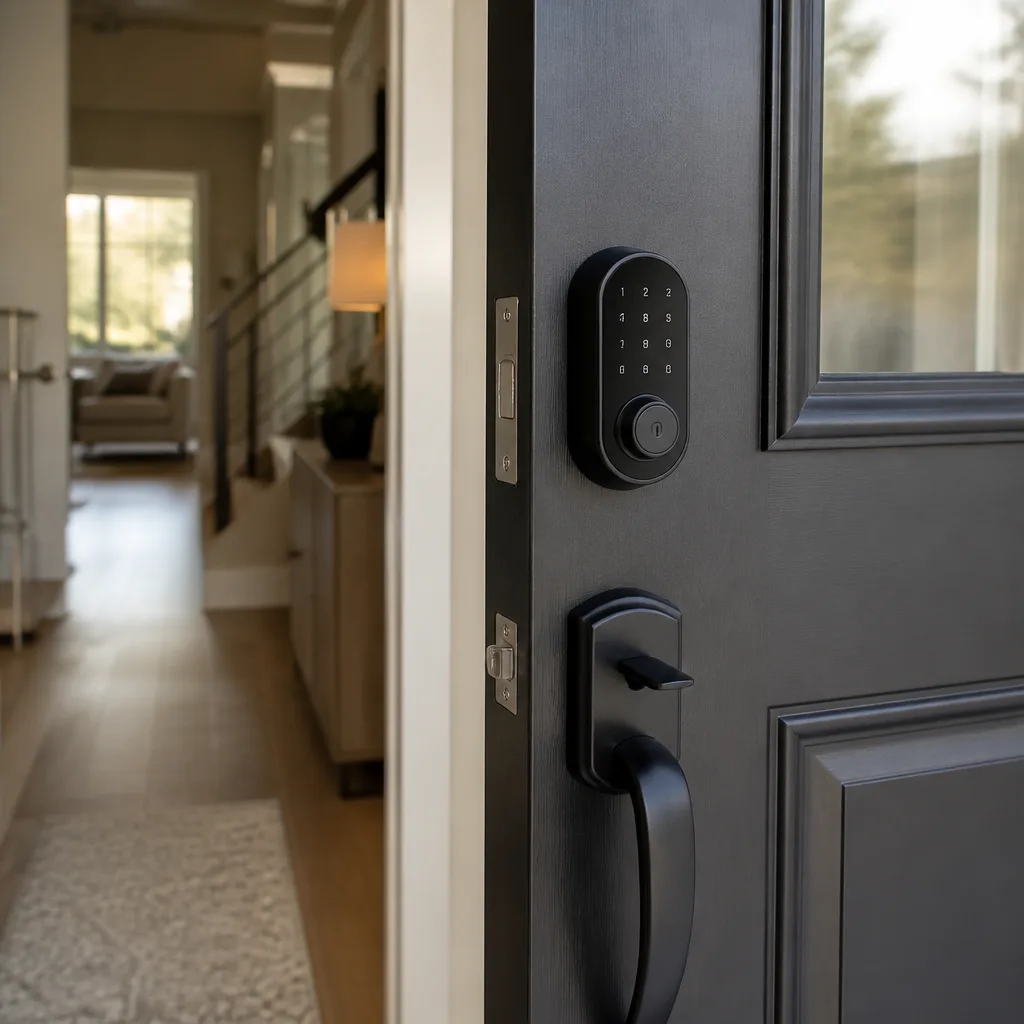 Smart locks
 House lockouts
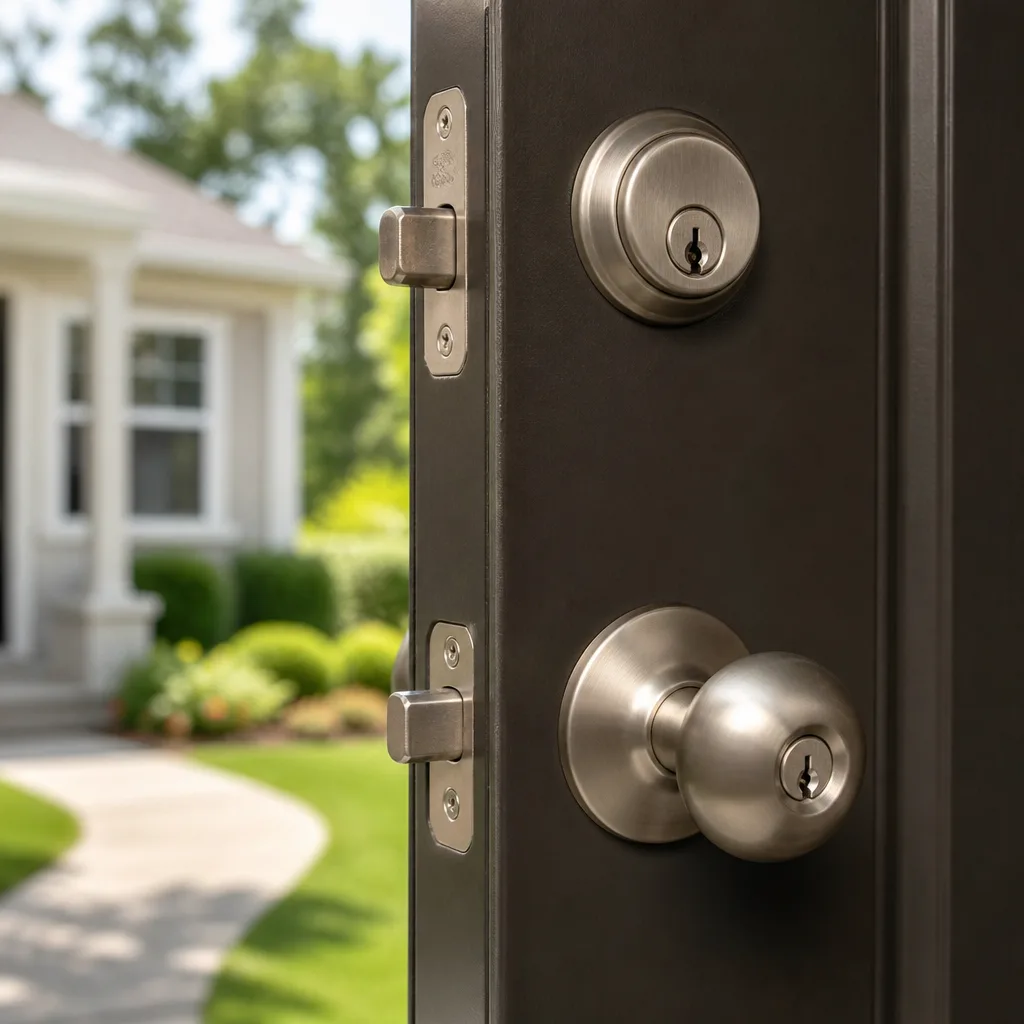 Re-keying
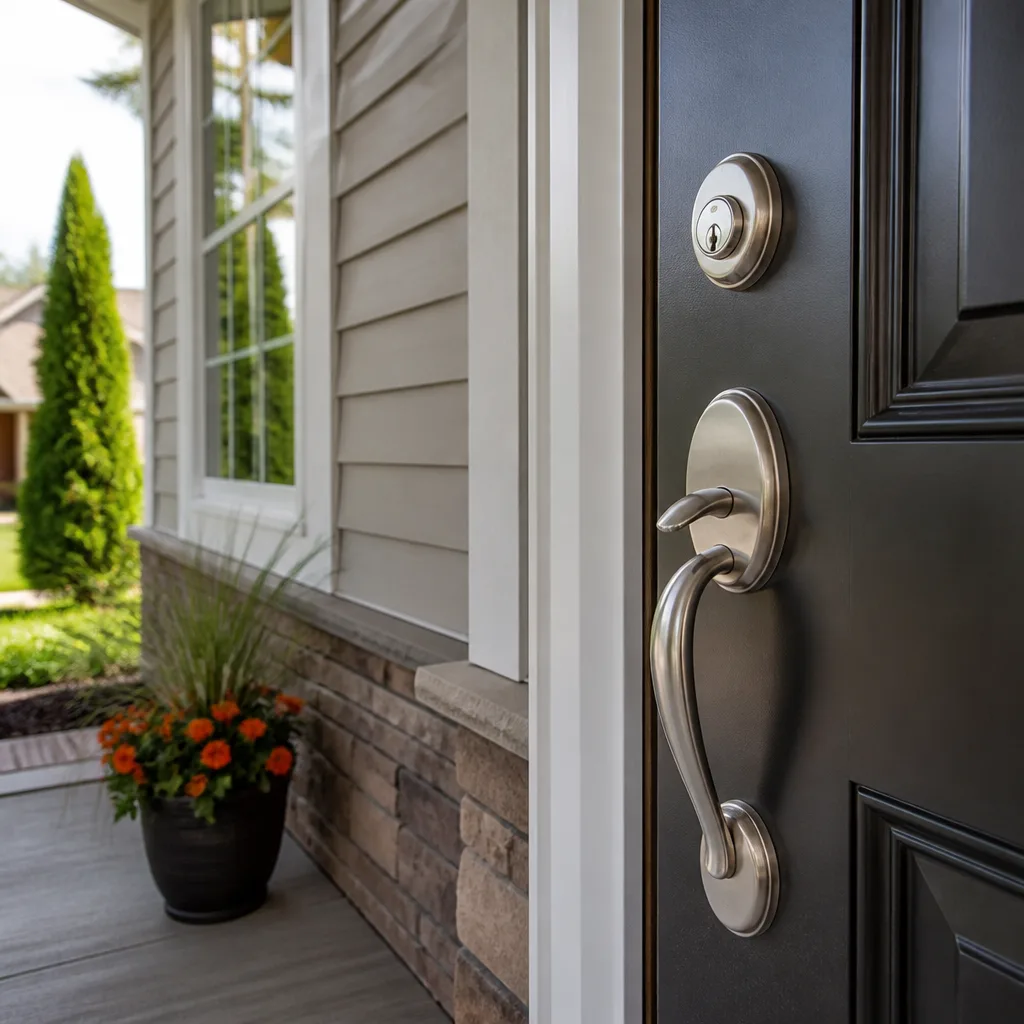
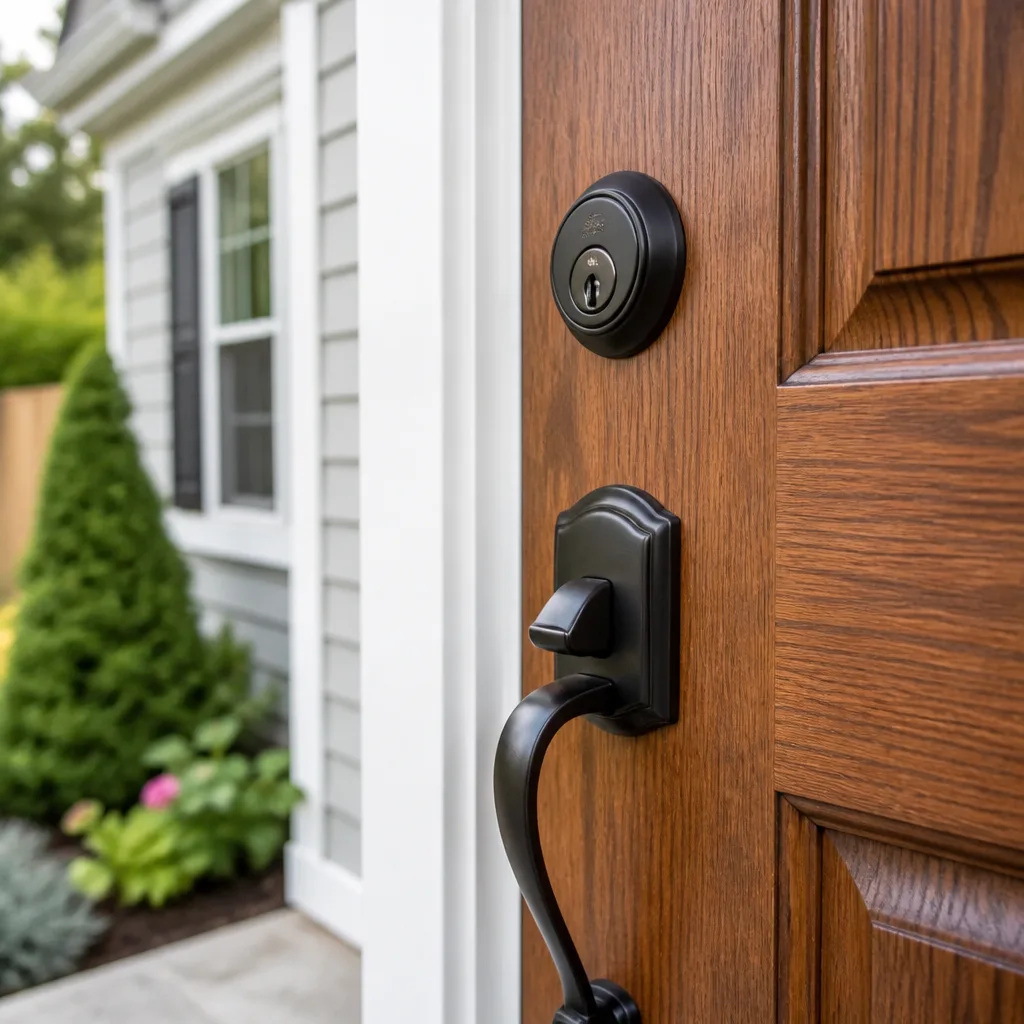 Deadbolt upgrades
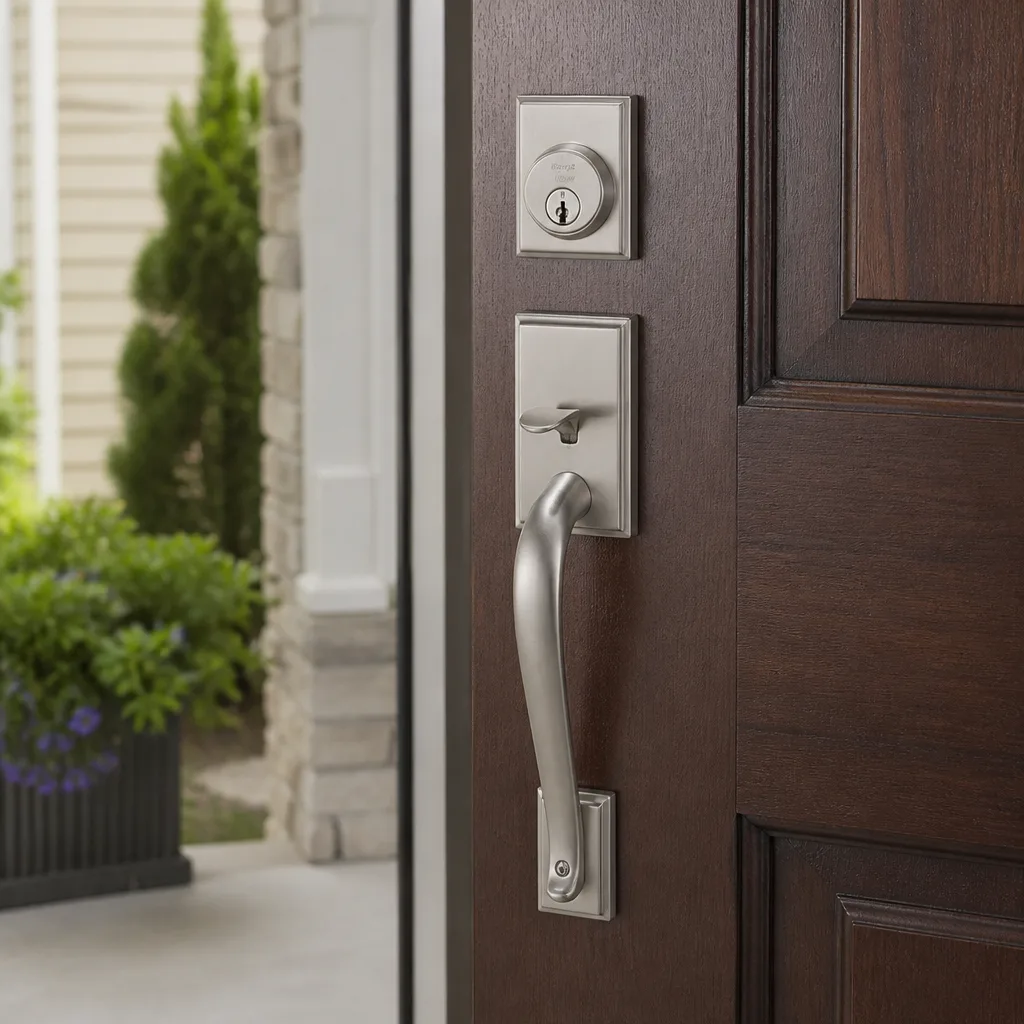 Schlage
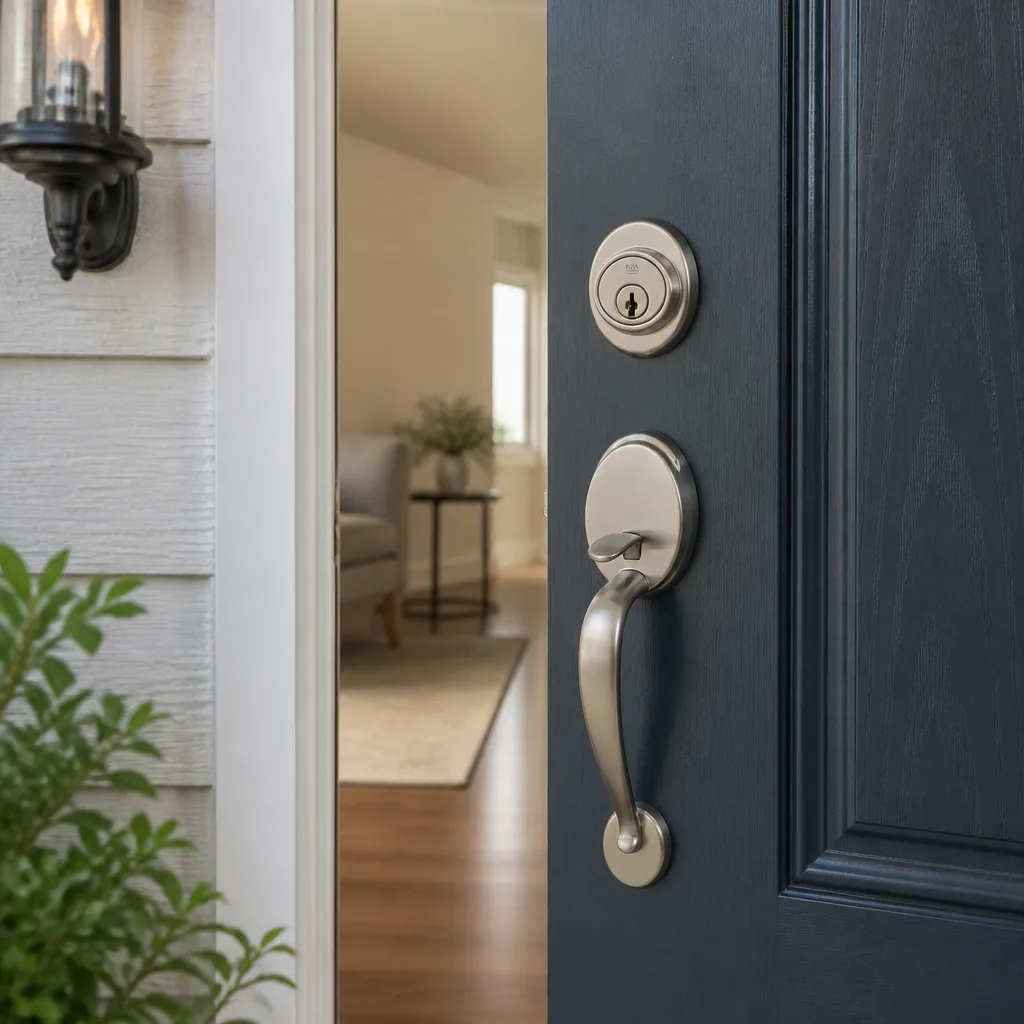 Kwikset
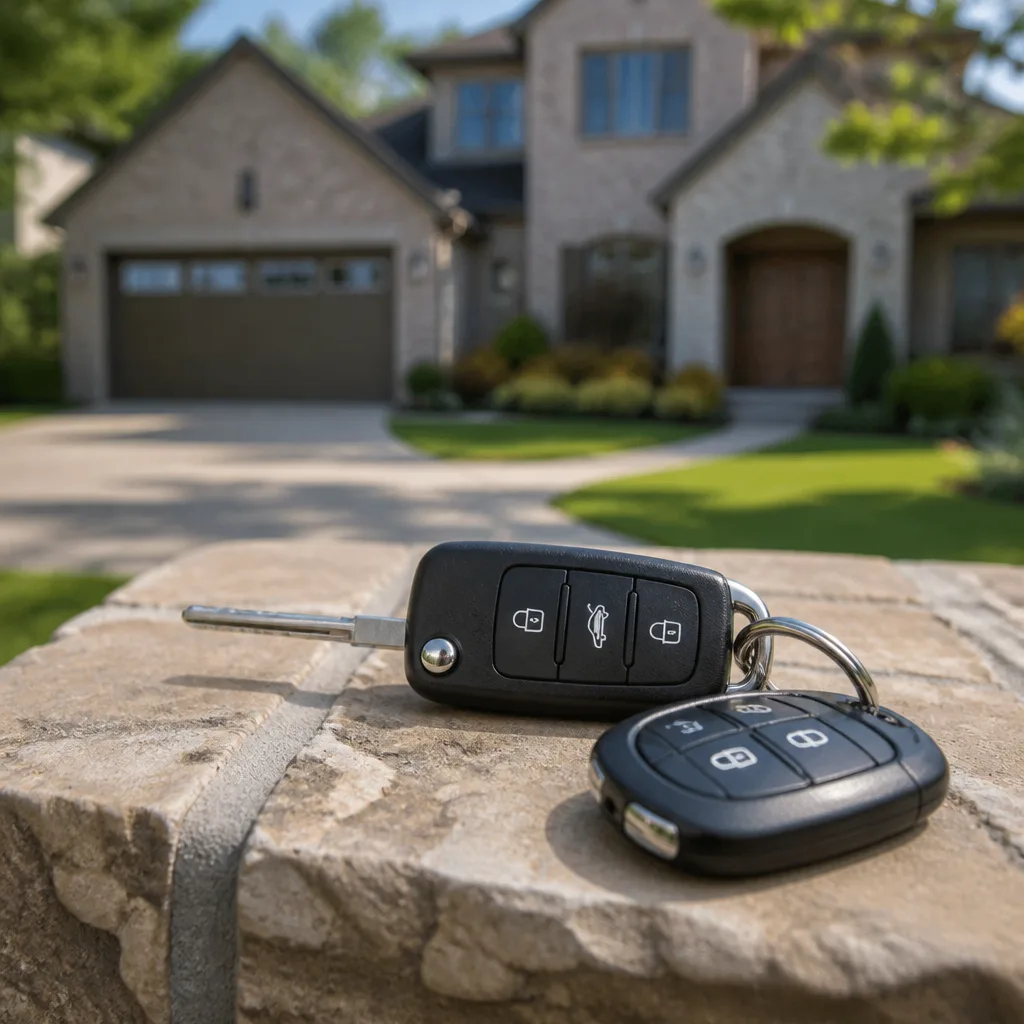 Car keys & fobs
Non-destructive entry first, always - and we re-key Schlage, Kwikset, and Baldwin locks on the spot while you watch
You get a price before we start. It does not change when we arrive. No surprises.
Get your free estimateThe Complete Guide to Locksmith in Grand Rapids
Most Grand Rapids residents only call a locksmith twice in their lives. Once when they lock themselves out of a house or car, and once when they move into a new place and need the locks changed. That means the average person has almost no basis for judging whether the technician who shows up actually knows what they’re doing. This guide closes that gap. You’ll learn how locksmith pricing actually works in Grand Rapids, which lock brands require specialist training, how restricted-key systems change the service equation, what separates a credentialed locksmith from a dispatch aggregator, and how to spot the difference before you hand over your house keys. For a deeper dive, see our step-by-step guide to hiring a locksmith contractor in Grand Rapids.
Styles & brands we work with
Quick Answer
A locksmith in Grand Rapids handles everything from emergency lockouts and car key replacement to rekeying locks after a move or tenant change. The right locksmith for your job depends on the lock hardware involved: standard Kwikset and Schlage locks are serviceable by most licensed technicians, while restricted high-security systems like Medeco, Mul-T-Lock, and Abloy require specialized training and equipment that not every local locksmith has. Before hiring anyone, confirm they carry credentials, quote a full price on the phone, and can name the specific lock brand you have installed.
Table of Contents
- What a Grand Rapids Locksmith Actually Does
- Registered Locksmith vs. Unverified Dispatch Aggregator
- Lock Brands Commonly Installed in West Michigan Homes
- How High-Security Restricted Keyways Change the Service Equation
- When a Generalist Locksmith Refers Out (and What That Tells You)
- Security Concerns by Grand Rapids Neighborhood and Suburb
- What Locksmith Services Cost in Grand Rapids
- How to Vet a Locksmith Before They Arrive
- Common Mistakes to Avoid
- When to Call a Professional
- Frequently Asked Questions
- The Bottom Line
What a Grand Rapids Locksmith Actually Does
The job description is broader than most people assume. A locksmith in Grand Rapids typically handles three distinct lanes of work: automotive key replacement, emergency lockout response, and proactive lock rekeying or replacement. Each lane requires different tools, different training, and often different licensing considerations.
Automotive work now involves far more than cutting a metal key. Modern vehicles use transponder chips, proximity fobs, and encrypted immobilizer systems. When a Grand Rapids driver loses their only car key, the dealership is no longer the only option. A properly equipped locksmith can cut and program replacement keys on-site, often at a lower cost and with faster scheduling than the dealership service bay. This capability has quietly reshaped the car key market in West Michigan over the past decade.
Emergency response covers lockouts, break-in repairs, and urgent rekeying after a security event. When someone is locked out of their home on a January night in Grand Rapids, the priority is speed, but speed without competence creates risk. A rushed technician who drills a lock unnecessarily walks away leaving a larger repair bill behind. A skilled technician can often open a standard residential lock non-destructively, preserving the hardware.
Rekeying and hardware replacement is the third lane, and it’s the one most people underuse. Rekey Locks in Grand Rapids is a cost-effective alternative to full lock replacement: the existing hardware stays, the internal pins change, and old keys stop working. This matters after a move, a tenant turnover, a divorce, a lost key, or a fired contractor who never returned the spare. Property managers in Grand Rapids rely on rekeying between tenants as a standard operating procedure, because swapping cylinders costs a fraction of replacing entire locksets.
What ties all three lanes together is the lock itself. Locks are mechanical and electronic systems, and they vary enormously in complexity. The technician who can open a Kwikset deadbolt in five minutes may not be trained to cut a Medeco key, and the technician who can program a Ford transponder key may not know how to reconfigure a Mul-T-Lock cylinder. Understanding that range is the first step to hiring the right person.
Registered Locksmith vs. Unverified Dispatch Aggregator
One of the most confusing things about searching for a locksmith in Grand Rapids is that many of the phone numbers that appear in search results aren’t locksmiths at all. They’re dispatch aggregators: national call centers that collect your information, then sell the job to whichever local technician will pay the highest referral fee for it. The technician who arrives may be competent. Or not. The aggregator doesn’t verify.
How to tell which one answered your call:
- Ask who will arrive. A registered locksmith can tell you the name of the business that will service you. An aggregator often uses vague language like “our technician in your area.”
- Ask for a physical address. Aggregators may list a virtual office or no address at all. A real Grand Rapids locksmith has a verifiable location.
- Listen for the quote structure. An aggregator typically quotes a low trip fee and says the technician will assess the rest on arrival. A registered locksmith can often quote the full job price on the phone, especially for standard services like rekeying or lockout work.
- Check the business name. Search the phone number. If it routes to a chain of dozens of identical websites with different city names, it’s likely an aggregator network, not a local locksmith.
The financial mechanics matter. Aggregators take a cut of every job, which means the technician who arrives has to make more per call to stay profitable. That pressure sometimes surfaces as unnecessary drilling, upselling, or surprise fees added on-site. A direct-hire Grand Rapids locksmith has no middleman taking a percentage, and the full price is quoted before anyone is dispatched. See our locksmith cost breakdown for Grand Rapids homeowners for typical price ranges.
This isn’t a hypothetical problem. The bait-pricing pattern in this trade is widely documented: a $19 service call becomes a $300 invoice after the technician arrives and adds lockout fees, labor fees, and “special tool” fees. The defense is simple: ask for the total price on the phone, and refuse any job where the technician won’t give one before starting work.
The Reliance Lock & Key home service model is built around the direct-hire structure. When you call, you speak with the business that will actually dispatch a technician. There’s no national call center, no job auction, and no referral fee baked into your invoice.
Lock Brands Commonly Installed in West Michigan Homes
Grand Rapids has a distinct housing stock. Neighborhoods like Heritage Hill and Eastown are full of early-20th-century homes with original hardware doors, many of which have been retrofitted over the decades with whatever was available at the hardware store. Suburbs like Ada, Cascade, and Forest Hills went through big building booms in the 1970s through 2000s, and the newer construction in Grand Rapids, Byron Center, and Rockford skews toward current big-box inventory. That history shapes which lock brands you’ll find in West Michigan homes.
Kwikset is the most common brand in Grand Rapids by volume. It’s the default at Home Depot and Lowe’s, and builders grade it as an affordable, reliable entry-level lock. The SmartKey system, which lets homeowners rekey locks themselves in about 30 seconds, has made Kwikset popular with landlords and short-term rental operators. Most locksmiths are fluent in Kwikset; it’s the baseline of the trade.
Schlage holds a slightly higher market position. Schlage hardware is common on entry doors in mid-century Grand Rapids homes, and its commercial line (Schlage ND-series and L-series) appears throughout Grand Rapids office buildings, schools, and apartment complexes. These are heavier-duty locks than residential Kwikset, and they require different servicing techniques, but any trained locksmith handles them routinely.
Yale and Baldwin occupy the premium architectural niche. You’ll find them on higher-end homes in East Grand Rapids, Ada, and Cascade, and on restored Victorians in Heritage Hill where owners want period-appropriate hardware. Baldwin in particular is known for solid brass, full mortise locksets that demand careful disassembly and reassembly. A technician who has never worked on a Baldwin mortise lock can do real damage trying to force it. These brands are serviceable by a skilled locksmith, but the work is slower, more tactile, and unforgiving of shortcuts.
Sargent is institutional-grade hardware. It appears on older public buildings, schools, hospitals, and commercial properties around Grand Rapids. Sargent cylinders are precision-machined and often use restricted or semi-restricted keyways. Working on Sargent requires more than a standard pinning kit; it requires familiarity with the brand’s spec sheets and key control practices.
Then there’s the high-security tier, which operates on entirely different rules. Medeco, Mul-T-Lock, and Abloy are patented, restricted-key systems. You can’t walk into a hardware store and get a duplicate key cut. You can’t even go to most locksmiths. The key blanks are controlled by the manufacturer, and duplication requires registration, specialized cutting equipment, and proof of authorization. When these locks appear in Grand Rapids, it’s because a property owner specifically chose to invest in security beyond the standard option. That investment only pays off if the locksmith they call to service the system is actually trained to do it.
How High-Security Restricted Keyways Change the Service Equation
Standard residential locks are built around convenience and replaceability. High-security restricted keyways are built around control, and control changes every part of the service equation.
The mechanical difference is significant. Medeco cylinders use rotating pins that align both vertically and angularly, making them dramatically harder to pick than a standard Kwikset deadbolt. Mul-T-Lock uses a telescoping pin system that resists bumping and picking. Abloy uses rotating disc technology, not pins at all, which renders most conventional lockpicking tools useless. These designs were created for government, military, and commercial applications where the lock genuinely needs to delay or prevent forced entry.
The key-control difference is more relevant for Grand Rapids property owners. A restricted keyway means not every locksmith can legally or practically duplicate the key. The blanks aren’t sold wholesale. The cutting equipment is brand-specific. Duplication requires documentation proving you’re authorized by the system’s registered owner. This is the point: if you lose a key, you don’t have to worry about the finder walking into any hardware store and getting a copy made.
For a Grand Rapids property owner with a Medeco system on a business, a rental portfolio, or a high-value home, the service equation changes in three ways:
- You need a locksmith registered with that manufacturer. Calling a generalist for a Medeco rekey is like calling a general handyman to service a European luxury car. The knowledge gap is real.
- You need documentation. Key system owners receive a card or certificate that authorizes duplication. Lose it, and even an authorized locksmith can’t help you without going through the manufacturer’s recovery process.
- Servicing costs more, but the value proposition is different. High-security locks fail less often, resist tampering better, and give the owner control over key distribution. The tradeoff is that you can’t just call whoever’s closest.
Reliance Lock & Key trains specifically in these systems. The ability to work on Medeco, Mul-T-Lock, and Abloy isn’t a marketing bullet; it’s the technical divide in the locksmith trade. Most Grand Rapids locksmiths refer out high-security work. We take it.
When a Generalist Locksmith Refers Out (and What That Tells You)
Referral patterns are an honest signal of a locksmith’s actual competency range. Every locksmith has a ceiling: the point where the hardware on the door exceeds their training, their toolset, or their licensing registrations. What happens at that ceiling tells you a lot.
Here are the situations where a generalist locksmith in Grand Rapids will typically refer out:
- Restricted keyway duplication. A customer walks in with a Medeco or Mul-T-Lock key and asks for copies. The generalist can’t order the blanks and doesn’t have the cutting machine. They refer out.
- High-security cylinder rekeying or repair. Opening a Medeco cylinder requires brand-specific tools and pinning kits. A generalist who opens it without those tools risks destroying the cylinder, and the replacement cost is significant.
- Baldwin mortise lock repair. These locksets contain dozens of small, precisely fitted brass parts. Reassembly requires patience and brand familiarity. Shops that don’t work on Baldwin regularly refer the work to someone who does.
- European or specialty automotive keys. Some vehicles require proprietary programming tools that only dealers or specialized locksmiths carry. The referral is the honest call; attempting it without the tools just wastes the customer’s time.
- Safe work. Safe drilling and manipulation is a separate specialization within locksmithing. Many locksmiths don’t offer it at all.
The referral itself isn’t a bad sign. A locksmith who knows their limits and tells you honestly is worth more than one who bluffs through a job they’re not equipped for. But there’s a difference between occasional referrals and systematic referral. If a Grand Rapids locksmith can’t service anything beyond standard Kwikset and Schlage, their “full-service” claim is false advertising.
When you’re vetting a locksmith, ask the ceiling question directly: “Is there any lock work you don’t do?” The answer reveals more than their website copy ever will.
Security Concerns by Grand Rapids Neighborhood and Suburb
Locksmiths see geography differently than most people. Where a realtor sees school districts, we see lock hardware patterns, break-in entry methods, and the recurring security gaps in each neighborhood. This neighborhood breakdown reflects what Emergency Locksmith in Grand Rapids service calls actually look like across the metro area.
Heritage Hill and Eastown: These historic neighborhoods are dominated by pre-1940 construction. Original doors often have thinner wood frames, older mortise locks, and hardware that has been patch-serviced for generations. The most common issue we see is doors that don’t latch squarely, leaving deadbolts partially engaged or not engaging at all. Rekeying matters here less than full hardware assessment, because the lock is only as good as the door behind it.
East Grand Rapids: This suburb has a mix of original 1920s-1950s homes and teardown-rebuilds with premium hardware. Baldwin, Yale, and other architectural brands are common. The security concern is less about break-ins and more about key control: housekeepers, nannies, contractors, and guest suites create more key circulation than other neighborhoods. High-security restricted keyways are a legitimate option here, especially for homes with frequent service workers.
Ada and Cascade: Larger properties, longer driveways, and in some cases more distance from neighbors. The common gap is on secondary entry points: detached garages, pool houses, basement walkouts. Owners install a strong front door lock and leave a standard Kwikset on the side entrance. Forced entry typically comes through those secondary doors.
Kentwood and Wyoming: High rental density. Landlords in these areas rekey between every tenant, which makes rekeying cost the most relevant factor. Kwikset SmartKey cylinders are common because they let landlords rekey between tenants without calling a locksmith, though we also handle rekeying for property managers who’d rather have a documented service record.
Grand Rapids urban core and near-west side: Commercial and mixed-use properties create a different profile. Sargent and Schlage commercial hardware appears on storefronts, offices, and apartment buildings. Master key systems are common. These systems require careful planning and documentation, because a poorly managed master key chart creates security holes that can go unnoticed for years.
What Locksmith Services Cost in Grand Rapids
Locksmith pricing is less opaque than it appears. The variables are simple: the type of work, the hardware involved, and the time of day. Here’s what you can expect to pay in the Grand Rapids market for standard services.
| Service | Typical Grand Rapids Range | Notes |
|---|---|---|
| Residential lockout (standard door) | $75-$150 | After-hours or weekend rates higher |
| Rekey a single cylinder | $20-$45 per cylinder | Plus trip fee if no other work |
| Rekey entire home (3-4 locks) | $90-$180 total | Keyed-alike included |
| Replace a standard deadbolt | $60-$150 including labor | Depends on hardware grade |
| Car key replacement (basic transponder) | $150-$350 | Vehicle-dependent |
| Proximity fob or smart key | $250-$500 | Programming included |
| High-security key duplication | $15-$40 per key | Requires authorization |
| High-security cylinder installation | $200-$500 per cylinder | Medeco, Mul-T-Lock, Abloy |
Three things to know about these numbers. First, every legitimate Grand Rapids locksmith quotes the full price on the phone before dispatching anyone. If a technician tells you on arrival that the job “requires additional work” beyond the quote, you have every right to send them away. The phone quote is the invoice price.
Second, trip fees are legitimate when they’re separate from labor, but the total should never be a surprise. Ask: “What will the complete invoice be, including trip charge, labor, and parts?” Then verify that number matches what the technician says when they arrive.
Third, automation and precision have changed the trade. Key cutting and programming machines now handle in minutes what used to take hours of manual labor. That’s why Car Key Replacement in Grand Rapids costs have dropped relative to dealership quotes. The equipment investment is significant, but the per-job efficiency means savings for the customer.
How to Vet a Locksmith Before They Arrive
You don’t need to be a security expert to spot a bad locksmith. You just need to ask the right questions before they come to your door.
- Ask for the business name and physical address, then verify both. A legitimate Grand Rapids locksmith has a verifiable identity. Search the address. If it returns a UPS store or a vacant lot, end the call.
- Ask for the total price on the phone. Get the complete invoice amount: trip fee, labor, parts, everything. If they refuse or hedge, end the call. No exceptions.
- Ask what hardware they service. Tell them what lock you have. If they can’t identify the brand or don’t recognize a Mul-T-Lock when you describe it, their range is limited. That’s not disqualifying for a simple lockout, but it tells you who you’re dealing with.
- Ask about their high-security capabilities. Even if you don’t have a Medeco lock, the answer reveals depth. A locksmith who says “we handle everything from Kwikset to Medeco” is telling you something real about their training. A locksmith who has no high-security capability has a ceiling.
- Confirm who will appear. If the person on the phone can’t tell you the name of the business that will dispatch to your address, you’re probably talking to an aggregator, not a locksmith.
The full price is quoted on the phone before anyone is dispatched, and it is the price on the invoice. This is the standard every Grand Rapids homeowner should hold. The trade has a widely reported bait-pricing problem, and it persists because customers don’t ask the right questions before the technician arrives. Once the truck is in your driveway, you’re negotiating from a weak position. Ask first.
Common Mistakes to Avoid
- Accepting a teaser price without asking for the complete invoice. A $19 or $35 “service call” is a pricing strategy, not a price. Always ask for the full out-the-door total before agreeing to dispatch.
- Drilling a lock that could be opened non-destructively. Most standard residential locks can be opened without drilling. Drilling destroys the hardware and adds replacement cost. Ask the technician if non-destructive entry is possible before they pull out the drill.
- Replacing locks when rekeying would solve the same problem. Rekeying is typically 50-70% cheaper than full hardware replacement, and it’s faster. The only reason to replace is if the hardware is damaged, outdated, or you specifically want a different grade of lock.
- Paying the technician in cash without documentation. Legitimate Grand Rapids locksmiths provide invoices. If the technician asks for untraceable payment or won’t provide an invoice, the job cannot be verified later.
- Choosing the cheapest quote without checking credentials. In this trade, price compression usually means either an aggregator markup scheme or a technician who makes up the margin in on-site fees. The middle-of-market quote from a registered locksmith is usually the honest one.
- Calling a dealership for car key replacement without checking locksmith pricing first. Dealerships routinely charge 30-60% more than an equipped locksmith for the same key and programming. The dealership model assumes you don’t know alternatives exist.
- Ignoring secondary entry points. A strong front door lock doesn’t matter if the garage side door has a 1990s Kwikset with no deadbolt. Every security assessment should include all exterior doors, not just the one you use daily.
When to Call a Professional
Some lock work is genuinely DIY-appropriate: swapping out a Kwikset knob set, oiling a stiff deadbolt, installing a basic strike plate. But there are clear thresholds where professional help is the right call. Our DIY vs Professional Locksmith guide maps out exactly where that line falls. If you’ve lost all working copies of a transponder car key, you need programming equipment that costs thousands. If your home has a restricted keyway, you literally cannot get a duplicate made without a registered locksmith. If you’ve had a break-in or lost a key under uncertain circumstances, rekeying should happen the same day, not next week. If your door doesn’t latch properly or the deadbolt binds against the frame, the problem is mechanical, not just a lock issue. Reliance Lock & Key offers free estimates in Grand Rapids – call (855) 341-7491 and get a complete quote before any work is dispatched.
Frequently Asked Questions
Residential lockout service in Grand Rapids typically costs $75-$150, rekeying a single cylinder costs $20-$45, and car key replacement ranges from $150-$500 depending on the vehicle. The full price should always be quoted on the phone before dispatch, and that quote should match the final invoice. Call (855) 341-7491 for an exact quote on your specific job – estimates are free. Browse more guides & resources on residential and automotive security.
Yes, an equipped automotive locksmith can originate a new key for most vehicles without an existing key to copy, using the vehicle identification number and onboard programming equipment. This is the same service dealerships offer, often at a lower price and with faster scheduling. The key question is whether the locksmith carries the specific programming tools for your vehicle’s make and model.
Rekeying changes the internal pins of the existing lock so old keys stop working, while the hardware itself stays in place. Replacing removes the entire lockset and installs new hardware. Rekeying costs significantly less, typically $20-$45 per cylinder versus $60-$150 or more for new hardware, and it’s the standard recommendation after moving, losing a key, or ending a tenancy.
No. Medeco, Mul-T-Lock, and Abloy keys are protected by restricted keyway patents and manufacturer-controlled blank distribution. Only locksmiths registered with those manufacturers can order blanks and cut keys, and duplication requires proof of ownership authorization. Most Grand Rapids locksmiths cannot service these systems at all.
Standard emergency response times in the Grand Rapids metro area range from 20-45 minutes, depending on your location relative to the locksmith’s service radius. Evenings and weekends may add time. Always confirm the estimated arrival window and the full price before dispatching anyone, and ask whether the technician will attempt non-destructive entry first.
Yes. A legitimate Grand Rapids locksmith quotes the complete invoice amount – trip fee, labor, and parts – before dispatching a technician, and that number holds when the technician arrives. There is no call-out surcharge added on arrival. If a locksmith won’t commit to a full phone quote, treat that as a red flag and call (855) 341-7491 instead.
The Bottom Line
Understanding locksmith services in Grand Rapids comes down to understanding the range. Most homes are secured with Kwikset or Schlage hardware that any competent technician can service. Some homes and businesses use restricted systems that demand specialized training. The locksmith who can handle both ends of that spectrum is the one who can actually tell you what you need, rather than just selling you what they can do. Ask for full pricing before dispatch. Confirm credentials. Know your lock brand. And remember that rekeying is usually the right answer when keys circulate, not hardware replacement. Those four principles will save you money, time, and a great deal of frustration.
Written by the team at Reliance Lock & Key, serving Grand Rapids since 2016.