Last updated October 31, 2026
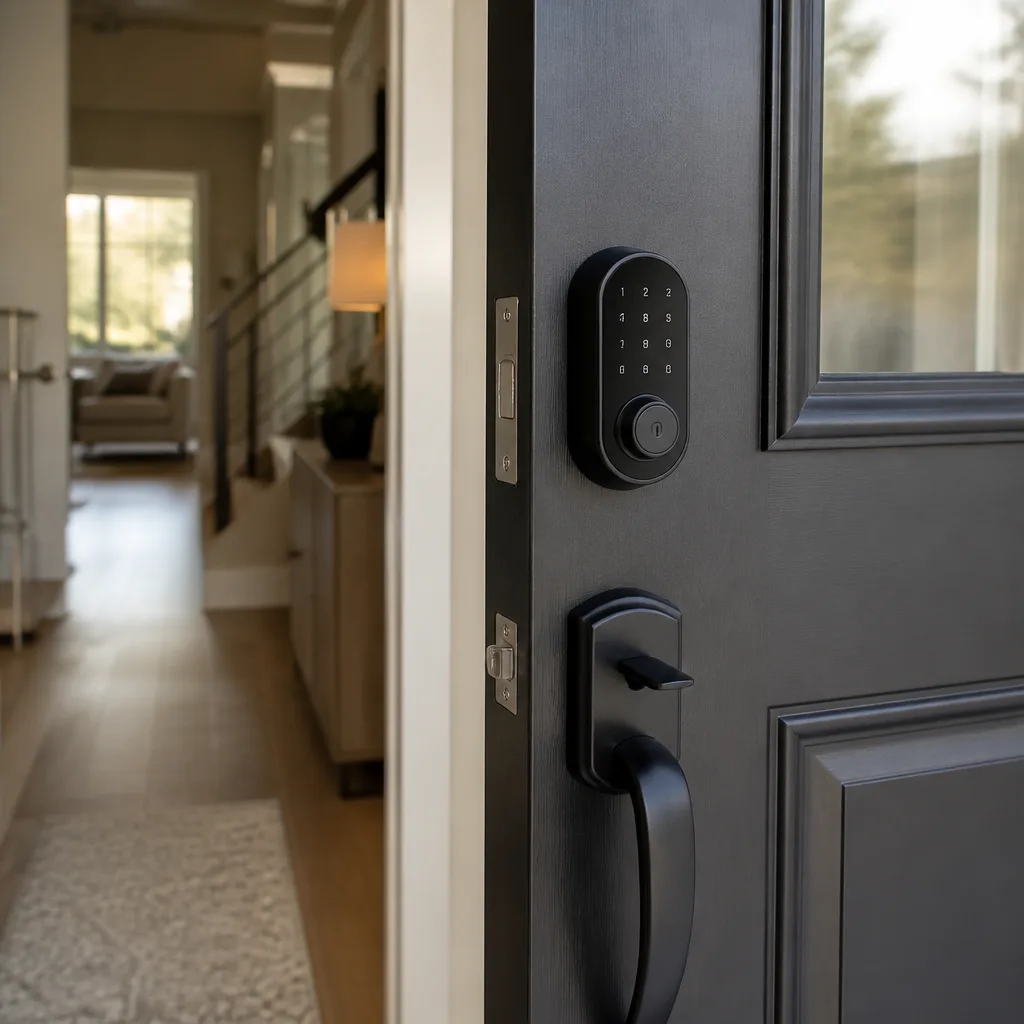 Smart locks
 House lockouts
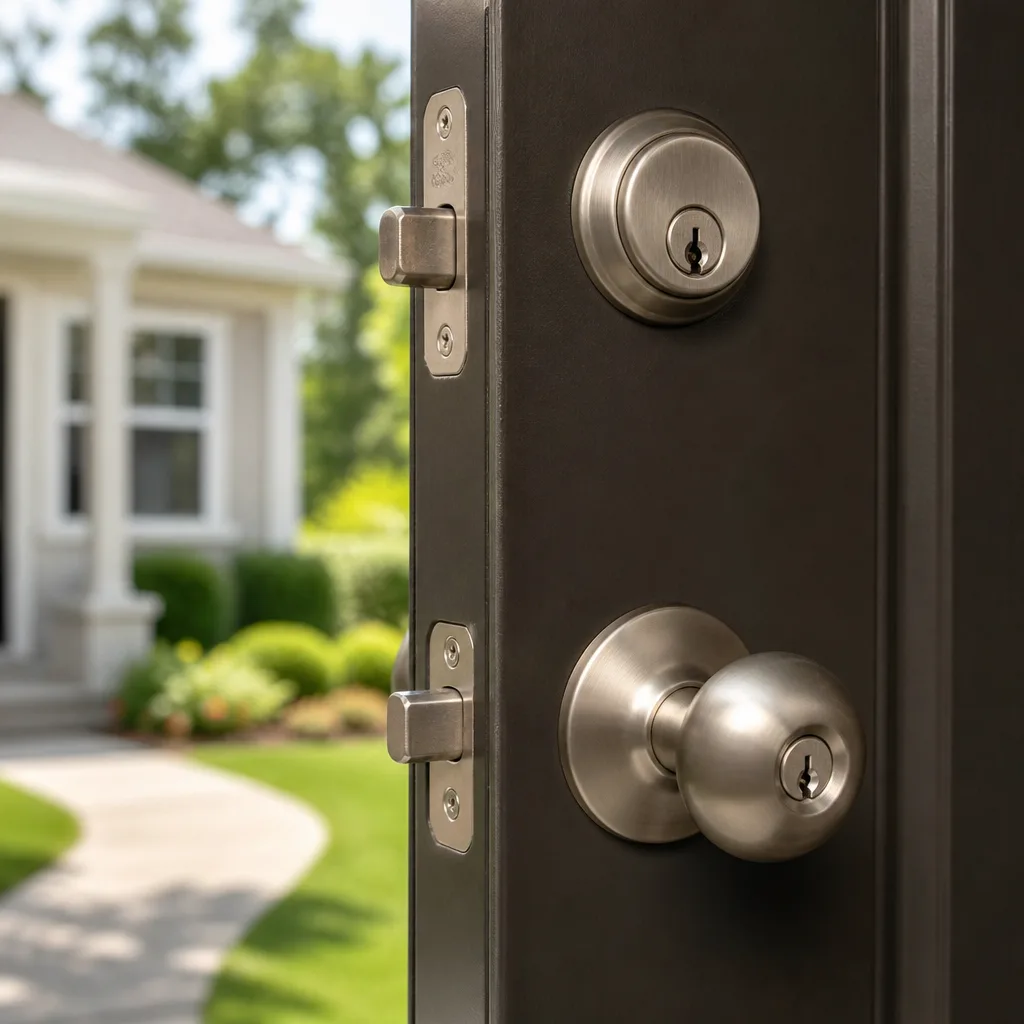 Re-keying
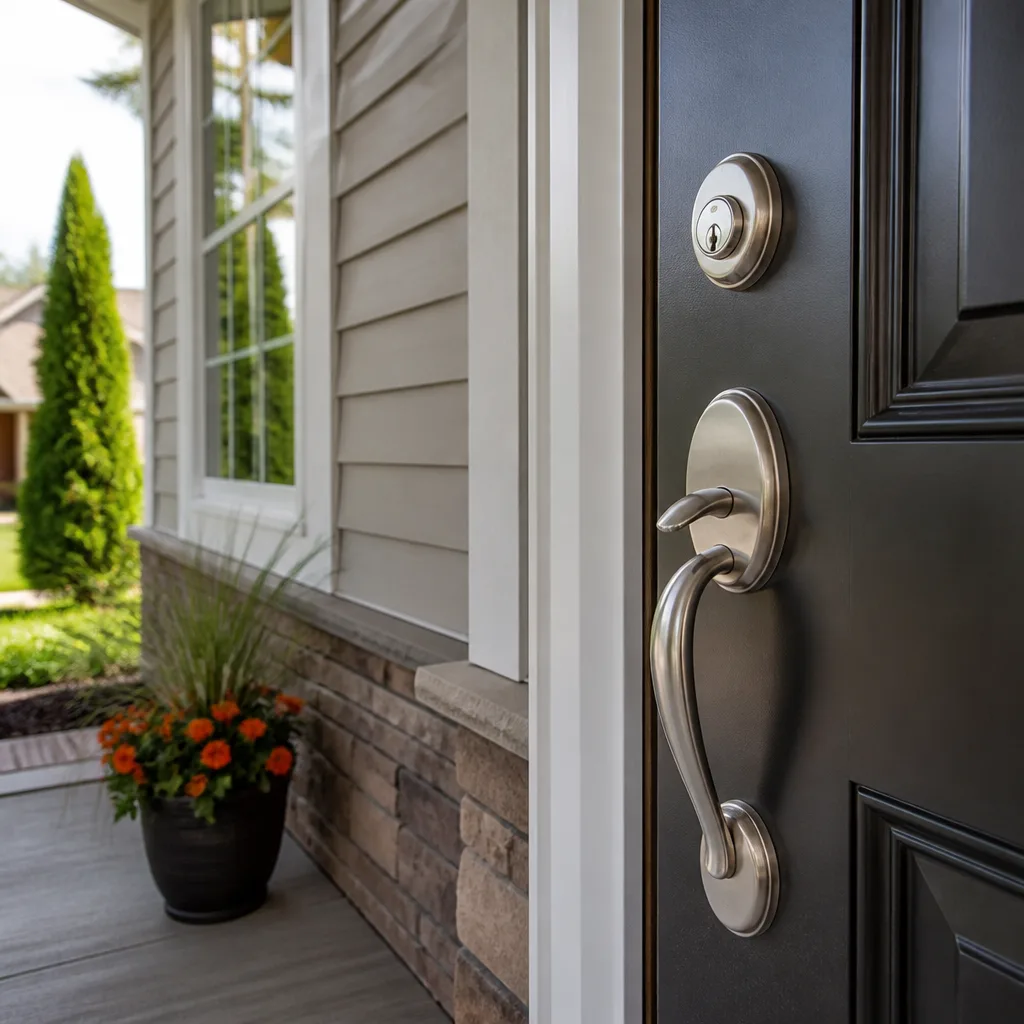
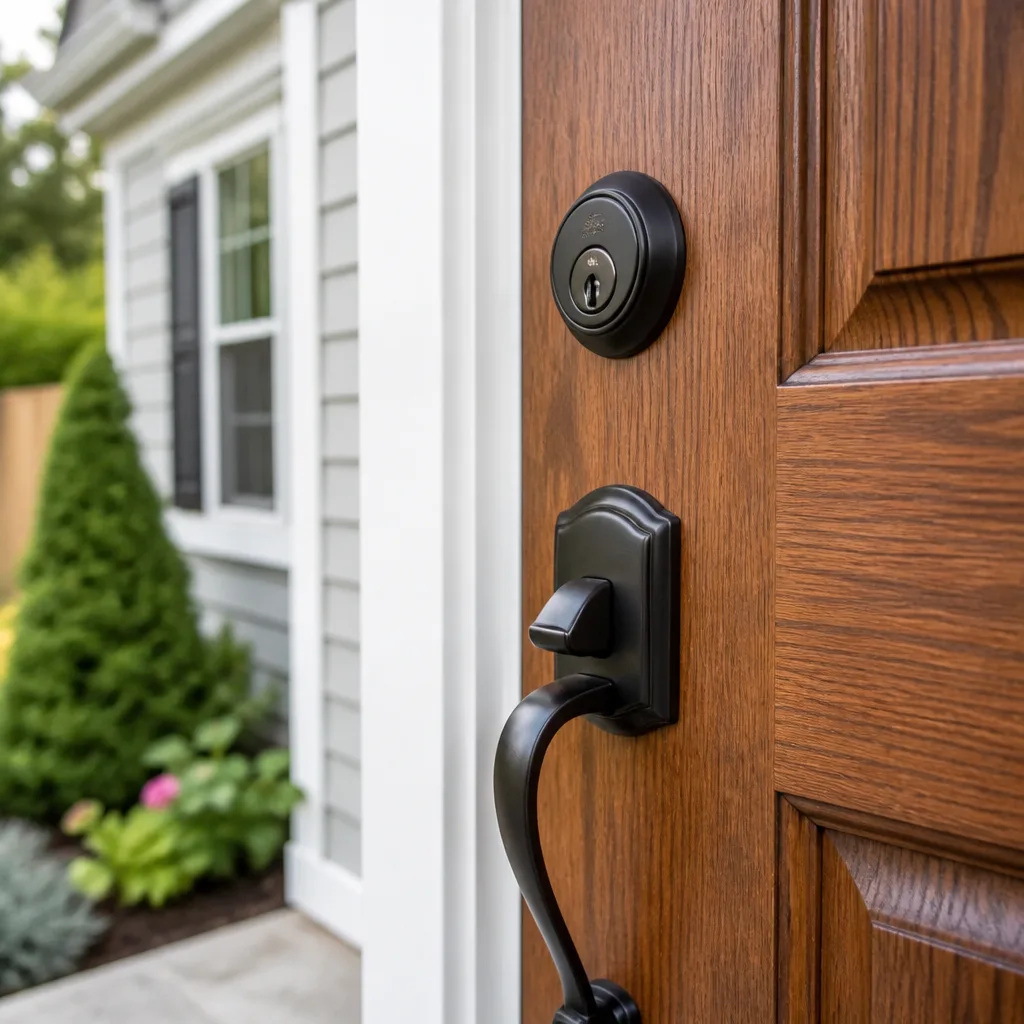 Deadbolt upgrades
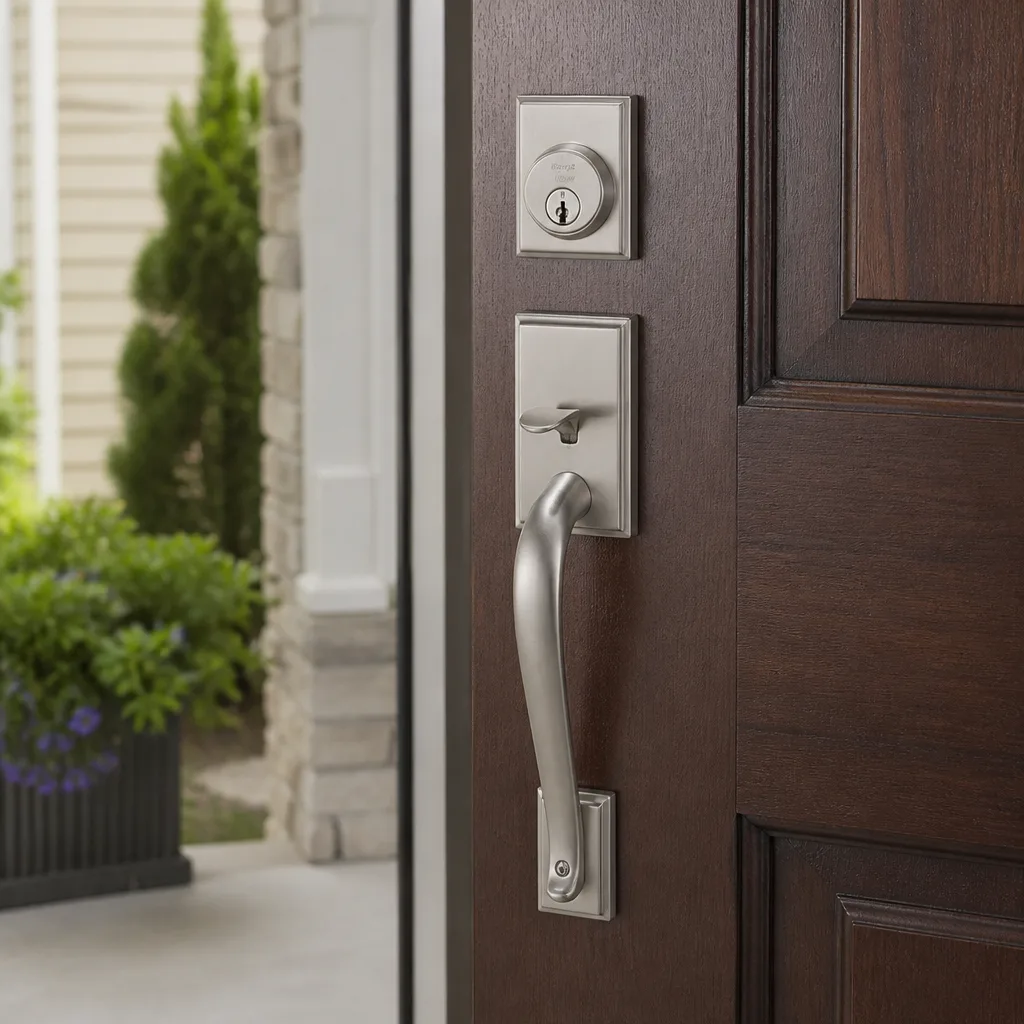 Schlage
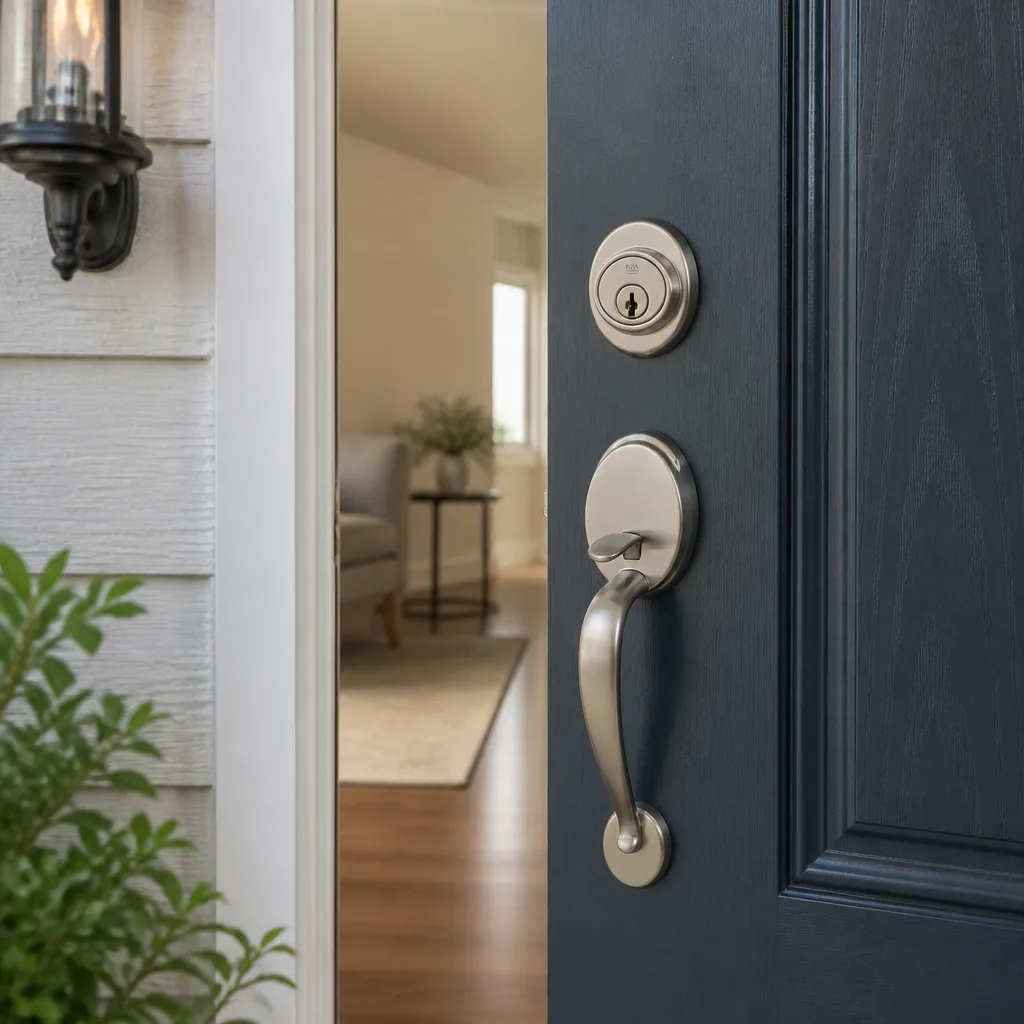 Kwikset
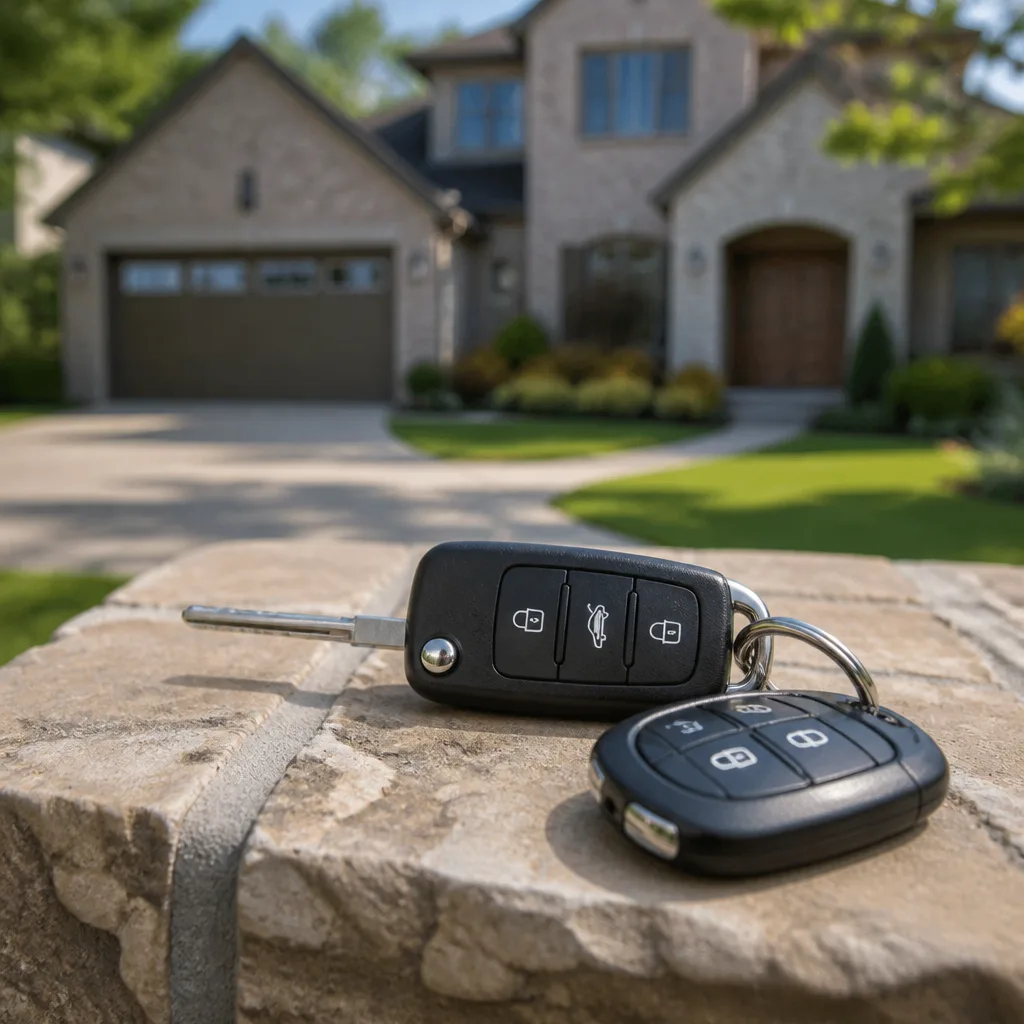 Car keys & fobs
Non-destructive entry first, always - and we re-key Schlage, Kwikset, and Baldwin locks on the spot while you watch
You get a price before we start. It does not change when we arrive. No surprises.
Get your free estimateLocksmith Permits, Codes & Inspections in MI: What You Need to Know
Most Grand Rapids homeowners assume that anyone who drills out a lock or cuts a new car key has passed some kind of state exam. That assumption is wrong, and it costs people real money every year. Michigan is one of a minority of states with no locksmith licensing requirement at all. This guide explains what that actually means when you hire a locksmith in Grand Rapids, which credentials do carry weight, where permits and inspections genuinely apply, and how to protect yourself from the industry’s bottom tier. For more guides & resources, see our blog.
Styles & brands we work with
Quick Answer
Michigan does not license locksmiths at the state level. No exam, no state-issued credential, no mandatory training exists. What matters instead are voluntary certifications (primarily ALOA designations), city or county business registrations, and the specific permitting and inspection rules that kick in when locksmith-adjacent work like access control installation crosses into electrical or life-safety territory in Grand Rapids.
Table of Contents
- The Michigan Locksmith Licensing Gap: What It Actually Means
- Voluntary Certifications That Actually Mean Something: ALOA, CRL, CML
- How to Independently Validate a Locksmith’s Credentials
- Where Grand Rapids Permits and Inspections Do Apply
- Access Control Systems and Master Key Integration: Code Considerations
- How Commercial Clients Should Structure Contracts to Close the Licensing Gap
- What Recourse You Have When Unlicensed Work Goes Wrong
- Common Mistakes to Avoid
- When to Call a Professional
- Frequently Asked Questions
- The Bottom Line
The Michigan Locksmith Licensing Gap: What It Actually Means
Unlike electricians, plumbers, and mechanical contractors, anyone in Michigan can legally call themselves a locksmith and begin working on your home today. No state exam exists. No license number is issued. No minimum training hours are required before someone starts drilling into your front door or cutting keys for your car. See our Locksmith Warning Signs: A Grand Rapids Homeowner’s Reference Guide for red flags to watch for.
Michigan’s occupational licensing framework covers dozens of trades, but locksmithing is not among them. The state’s Department of Licensing and Regulatory Affairs (LARA) has no locksmith board, no locksmith application, and no locksmith complaint pathway. This puts the burden entirely on the consumer to evaluate who they’re letting into their home or car.
In Grand Rapids, this gap matters for a specific reason. The city has a dense mix of older housing stock, from Heritage Hill Victorians to postwar bungalows in Alger Heights, and a growing stock of new apartments and commercial build-outs downtown. Each of those property types presents different lock and key challenges, and none of them are protected by a state licensing backstop. Our Seasonal Locksmith Care for Grand Rapids: Year-Round Homeowner’s Guide covers maintenance through every season.
So what does a responsible Grand Rapids locksmith do? They carry voluntary certifications, maintain proper business insurance, and register with the city or county like any other legitimate business. But none of that happens automatically, and the burden of verification falls on you, the customer. If a locksmith’s only proof of legitimacy is a magnetic sign on a van, that’s not proof.
Voluntary Certifications That Actually Mean Something: ALOA, CRL, CML
Since Michigan won’t verify a locksmith’s competence for you, the industry’s own credentialing bodies fill that void. The main one is ALOA, the Associated Locksmiths of America, now known as ALOA Security Professionals Association.
CRL: Certified Registered Locksmith
The Certified Registered Locksmith designation is the entry-level professional credential in the locksmith trade. To earn it, a locksmith must pass a comprehensive exam covering key blank identification, lock servicing, master keying concepts, and basic safe and vault knowledge. Candidates must also demonstrate practical skills. It’s not a weekend seminar; it’s a legitimate test of trade knowledge.
CML: Certified Master Locksmith
The Certified Master Locksmith credential goes deeper. It requires the locksmith to already hold CRL status and then pass additional exams in advanced areas: electronic access control, sophisticated master key system design, institutional lock servicing, and automotive transponder systems, among others. A CML designation signals that the locksmith has demonstrated breadth far beyond the average key cutter.
What About Other Credentials?
You may also see manufacturers’ certifications. Medeco, Mul-T-Lock, Abloy, and Sargent all operate dealer and service center programs that require locksmiths to complete factory training and meet service standards. These matter because restricted, patented key systems cannot be cut or serviced by just anyone. When a Grand Rapids locksmith is certified by Medeco or Mul-T-Lock, that’s a verifiable business relationship with a manufacturer that does not hand out credentials casually.
Why this should matter to a Grand Rapids homeowner or property manager
Any locksmith can claim to be “certified.” The difference is whether that certification can be verified independently. ALOA designations can be checked. Manufacturer certifications can be checked. If a locksmith in Grand Rapids says they’re certified and then waves away your request for a credential number or verification portal, treat that as a red flag.
How to Independently Validate a Locksmith’s Credentials
Because there’s no Michigan state license to check, verification takes a few extra steps. Here’s the process we recommend to every Grand Rapids homeowner and property manager before hiring a locksmith:
- Ask for the locksmith’s ALOA certification number. If they hold CRL or CML status, they’ll have a number. ALOA provides a public member directory where you can confirm the credential is current.
- Ask whether they are certified by any lock manufacturer. Medeco, Mul-T-Lock, Abloy, and Sargent all maintain lists of authorized service providers. If the locksmith claims familiarity with restricted key systems, ask which dealership or service provider program they belong to, then call the manufacturer and confirm.
- Check that the business is registered in Michigan. While registration is not a license, every legitimate business operating in Grand Rapids should appear in LARA’s business entity search (for LLCs and corporations) and likely holds a city business registration or a Kent County assumed name filing.
- Confirm that the business carries insurance. Ask for a certificate of insurance. You want general liability coverage at minimum, and ideally coverage that specifically addresses locksmith work. If they hesitate, end the call.
- Look for a physical business address, not just a phone number. Some of the worst operators in this trade route calls through national call centers and dispatch anyone with a van. A real address in Grand Rapids, or at least a verifiable business history, matters.
None of these steps takes more than a few minutes. Together they eliminate most of the risk that the licensing gap creates.
Where Grand Rapids Permits and Inspections Do Apply
It’s not accurate to say locksmith work never encounters permitting requirements in Grand Rapids. The work itself, like rekeying a lock or cutting a new car key, is not a permitted trade. But the moment a project touches building infrastructure, electrical systems, or fire-rated assemblies, city permits and inspections enter the picture.
Access Control System Installations
If a Grand Rapids business or property manager installs an electronic access control system, that work typically involves low-voltage wiring, power supplies, door position sensors, and sometimes electric strikes or magnetic locks. Once wiring enters a wall or connects to a building’s electrical system, the City of Grand Rapids may require an electrical permit. The same goes for any project that modifies a fire-rated door or adds locking hardware that could affect egress.
Fire Code and Life Safety
This is the area where locksmiths and code inspectors overlap most. The 2015 International Fire Code, as adopted with amendments by the City of Grand Rapids, gives the fire department authority over egress doors in commercial and multifamily properties. A lock that prevents free egress from the occupied side is a life-safety violation. When we install panic hardware or modify exit devices, the work must meet code, and in many cases a fire inspection follows.
Master Key System Integration
A master key system on its own, with the keying schedule and cylinder changes, requires no city permit in Grand Rapids. But if that system is being integrated with electronic credentials, door hardware changes, or access control wiring, the project may fall under the same electrical and life-safety rules as any access control project. Property managers in Grand Rapids who are replacing locks across an apartment building should have a conversation with the city’s building department early, especially if the building is older and has doors with existing fire ratings.
What About Residential Rekeying?
Rekeying a house lock, cutting a new car key, or replacing a deadbolt on a single-family home in Grand Rapids does not require a permit. For vehicle-specific advice, see our Car Key Replacement Maintenance Checklist for Grand Rapids Homeowners. That’s the simplest answer. The complexity begins when the project moves beyond the cylinder and into the building itself.
Access Control Systems and Master Key Integration: Code Considerations
Commercial clients in Grand Rapids often need more than new keys. They need systems. And systems carry code obligations that a basic rekey never will.
When we work with property managers and small businesses in Grand Rapids on access control, the conversation quickly moves from locks to three regulatory areas:
- Electrical code. Low-voltage wiring for card readers, strikes, and controllers is still wiring. The City of Grand Rapids requires permits and inspections for most low-voltage electrical work. A locksmith doing access control should either hold the appropriate electrical credentials or work alongside someone who does.
- Fire code. Any door that is part of a means of egress must allow free exit without a key, card, or special knowledge. This is a hard rule. If an access control system requires a credential to exit a building, that’s a serious fire code violation. Installers in Grand Rapids are expected to know this and design around it.
- Building code. Modifying door frames, drilling through fire-rated assemblies, or changing hardware on fire-rated doors can invalidate the door’s rating. A fire-rated door is only rated as an assembly, frame, hardware, and door leaf together. Swapping a latch or adding an electric strike without the right hardware voids the rating and creates a violation.
Master key system integration adds its own layer. A well-designed master key system is as much a documentation problem as a hardware problem. The keying schedule must be maintained across every lock in the building, and if the system includes restricted keyways from manufacturers like Sargent or Baldwin, every cylinder change must route through an authorized service provider. This is where technical fluency across manufacturer lines starts to matter. A locksmith who only knows residential Kwikset hardware is not prepared to maintain a commercial master key system with restricted Sargent keyways.
How Commercial Clients Should Structure Contracts to Close the Licensing Gap
Because Michigan has no locksmith licensing statute, commercial clients in Grand Rapids must build their own protections into the contract. Here’s what a solid commercial locksmith contract should include, especially for property managers, HOAs, and small businesses:
- Scope of work with exact hardware specifications. Don’t accept “install new locks.” Require exact manufacturer and model, finish, cylinder type, keyway, and whether keys are restricted. Brands like Baldwin, Sargent, and Abloy all make architectural and commercial hardware, and the contract should name exactly what’s going on the door.
- Proof of insurance with specific coverage amounts. Require a certificate of insurance that names your property or business as additionally insured. Set minimums for general liability that match the project scale.
- Credential verification in writing. The contract should state which certifications the locksmith holds, including ALOA designation level and any manufacturer authorizations. If the locksmith can’t commit to that in writing, that’s an answer in itself.
- Key control and keying schedule ownership. If you’re building a master key system, the contract must state who owns the keying schedule, who can order new keys, and what happens to the records if the relationship ends. Restricted key systems like Mul-T-Lock and Medeco make this easier because only an authorized dealer can order duplicate keys, but the contract should still define it.
- Warranty and callback terms. Specify how long the hardware and workmanship are covered, and what the response time is for warranty callbacks in Grand Rapids. A clearly defined warranty protects you more than any verbal promise.
One reason we emphasize this for commercial clients specifically is that property managers and HOAs in Grand Rapids manage risk across many doors and many tenants. A single poorly executed lock change on a fire-rated corridor door can cost thousands to correct, and in the absence of a state licensing board, the only enforceable protections are the ones written into the contract.
What Recourse You Have When Unlicensed Work Goes Wrong
When a locksmith damages a door, overcharges on an emergency call, or leaves a property less secure than they found it, Michigan’s lack of licensing does not mean there’s no recourse. But the pathway is different from what you’d have with a licensed trade.
Civil Claims
Your primary recourse is civil. You can sue for breach of contract, negligence, or damage to property in Kent County’s district or circuit court depending on the amount at issue. Small claims court in Grand Rapids handles disputes up to $7,000, and that’s the most practical venue for most residential locksmith complaints. If a locksmith damaged your door or property, document everything before any cleanup or repair begins.
Consumer Protection Act
The Michigan Consumer Protection Act may apply in cases of deceptive pricing, bait-and-switch tactics, or misrepresentation. If a locksmith quotes one price on the phone in Grand Rapids and then demands triple that after drilling your lock, that’s likely a violation. You can file a complaint with the Michigan Attorney General’s Consumer Protection Division. They cannot discipline a locksmith’s license because no license exists, but they can take enforcement action for deceptive trade practices.
Bad Reviews and Local Action
In a trade with no licensing board, reputation is the enforcement mechanism. A detailed, factual review on Google or the Better Business Bureau does two things: it warns other Grand Rapids homeowners and property managers, and it creates real economic pressure on the business. Just keep it factual. Don’t exaggerate, don’t threaten, and don’t say anything you couldn’t defend in court.
If a Security Breach Occurs
If locksmith work results in a security breach, such as keys being duplicated without authorization or a keying schedule falling into unknown hands, the situation is serious. You should consider the affected locks compromised, rekey or replace them immediately, and document the chain of events. If the breach involves a restricted key system from a manufacturer like Mul-T-Lock or Medeco, the manufacturer can sometimes assist in remediation and may revoke a provider’s authorization if their conduct was egregious. This is another reason restricted systems are worth considering for commercial properties: the key control is manufacturer-enforced, not just locksmith-enforced.
For more on the rekeying side of this conversation, see our guide to Rekey Locks in Grand Rapids.
Common Mistakes to Avoid
- Assuming “licensed” means something in Michigan. A locksmith who says “licensed and insured” in Grand Rapids may mean a business registration, not a locksmith license. Ask what exactly the license is and who issued it. No state agency issues locksmith licenses in Michigan, so the answer will be revealing.
- Hiring on price alone for emergency lockouts. The locksmith trade has a well-documented national problem with bait pricing on emergency calls. A $19 service call advertised in Grand Rapids often becomes $200 or more once the work is done. Get the full price on the phone before anyone is dispatched.
- Accepting a verbal credential claim. “We’re certified” is not verification. Any legitimate locksmith in Grand Rapids can provide a credential number or manufacturer authorization you can check yourself. If the response is evasive, move on.
- Letting a locksmith drill your lock before exploring other options. A competent locksmith can open most residential locks in Grand Rapids without destructive entry. Drilling is sometimes necessary, but it should be a last resort, and the full cost of the new lock should be quoted before the drill comes out.
- Ignoring fire code on commercial doors. A Grand Rapids business that installs a deadbolt on a fire-rated exit door, or a card reader that requires credentialing to exit, has created a life-safety violation. The fire department takes egress seriously, and the correction cost is usually higher than doing it right the first time.
- Not asking who owns the keying schedule. For commercial master key systems, this is the single most overlooked question. If the locksmith owns the schedule and the relationship sours, you may be forced to rekey the entire building just to restore key control. Write ownership into the contract.
- Believing a car key replacement always requires a dealership. Many Grand Rapids drivers don’t realize that independent locksmiths with the right programming equipment can replace and program car keys and fobs, often at a meaningful savings over dealership pricing. If you’ve lost a car key, compare before you default to the dealer. See our page on Car Key Replacement in Grand Rapids for the details.
When to Call a Professional
Some jobs genuinely need a trained locksmith, and trying to do them yourself is a bad trade. High-security lock servicing from manufacturers like Mul-T-Lock, Medeco, or Abloy requires specialized tools and authorization; the key blanks aren’t even available to the public. Commercial master key systems should never be improvised. Car key programming requires vehicle-specific equipment and software that non-specialists don’t own, and getting it wrong can leave your vehicle immobilized. Access control installation that involves wiring or fire-rated doors needs someone who understands Grand Rapids code requirements. And any lock emergency, from a broken key extraction to a lockout in bad weather, goes faster and cleaner with a professional. Reliance Lock & Key offers free estimates in Grand Rapids. Call (855) 341-7491 and we’ll give you an honest answer before any work begins.
If you’re in an urgent situation right now, visit our Emergency Locksmith in Grand Rapids page for what to expect.
You can also start at the Reliance Lock & Key home page to see our full range of services.
Frequently Asked Questions
No. Michigan has no state-level locksmith licensing requirement, no locksmith board, and no state exam. Anyone can legally call themselves a locksmith in Grand Rapids. This is why voluntary certifications like ALOA’s CRL and CML, and manufacturer authorizations from companies like Medeco and Mul-T-Lock, matter so much: they’re the only verifiable proof of competence available.
No. Rekeying residential locks, replacing deadbolts, or having new house keys cut does not require any city permit in Grand Rapids. Permits come into play when work touches electrical systems, fire-rated doors, or commercial egress hardware, not when cylinders are being changed.
Not as locksmiths. There is no state or city agency in Grand Rapids that inspects locksmith work for quality or safety. Electrical and fire inspections do apply to certain access control installations and commercial door modifications, but a basic house rekey or car key replacement will never be inspected by anyone.
Ask for their ALOA certification number and verify it through ALOA’s member directory. Ask which lock manufacturers they are authorized to service, particularly if the project involves restricted key systems from Medeco, Mul-T-Lock, Abloy, Baldwin, or Sargent. Then confirm that authorization with the manufacturer. Also confirm that the business is registered in Michigan and carries general liability insurance.
Document the interaction, including the phone quote, the final invoice, and any photos of damage. File a complaint with the Michigan Attorney General’s Consumer Protection Division. Small claims court in Kent County is available for disputes up to $7,000. And leave a factual review so other Grand Rapids residents see the pattern before they call.
Often, yes. Access control systems that involve electrical wiring, fire-rated doors, or modifications to egress hardware routinely require electrical permits and may require fire code review in Grand Rapids. A qualified locksmith will either handle the permitting or coordinate with the licensed electrical contractor on the project. If a locksmith tells you no permit is ever needed for access control work, get a second opinion.
The Bottom Line
Michigan’s lack of locksmith licensing is not a secret, but it is underappreciated. Grand Rapids homeowners, renters, property managers, and business owners all operate under the same reality: no state agency will verify a locksmith’s competence for them. The practical response is verification on your own terms. Ask for verifiable certifications. Confirm manufacturer authorizations when restricted key systems are involved. Know where city permits apply, which is mostly at the intersection of locksmithing, electrical work, and fire code. And when the stakes are high, choose a locksmith who can demonstrate technical range across the full spectrum, from Kwikset to Medeco. The right answer isn’t always the fastest one, but it’s the one that keeps your property secure.
Written by the team at Reliance Lock & Key, serving Grand Rapids since 2016.